


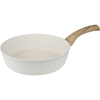

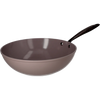

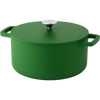

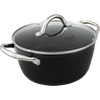






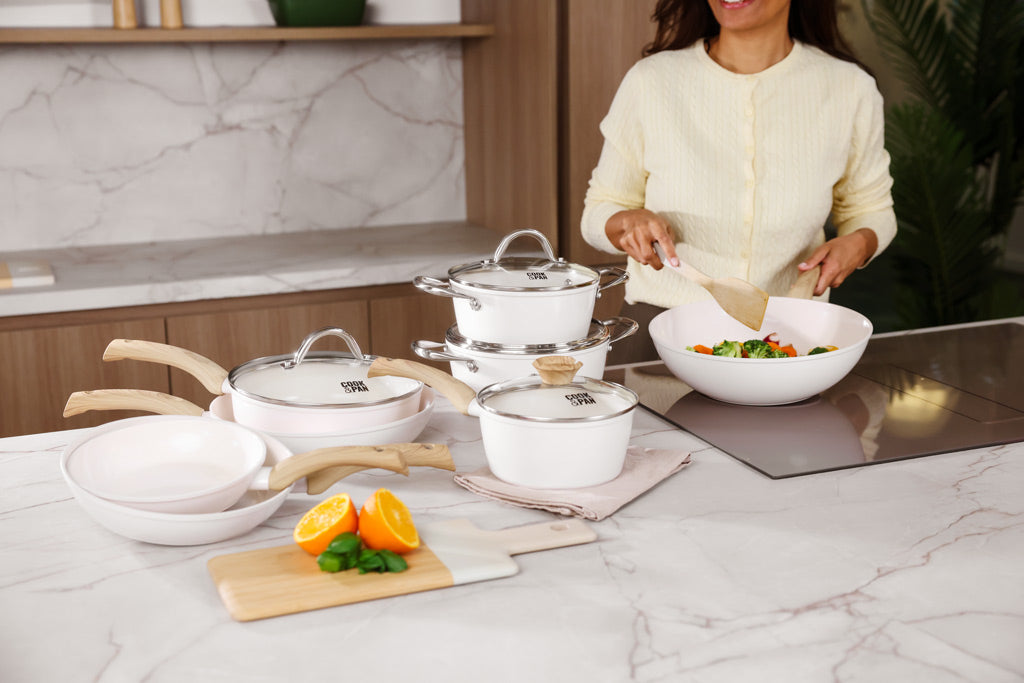
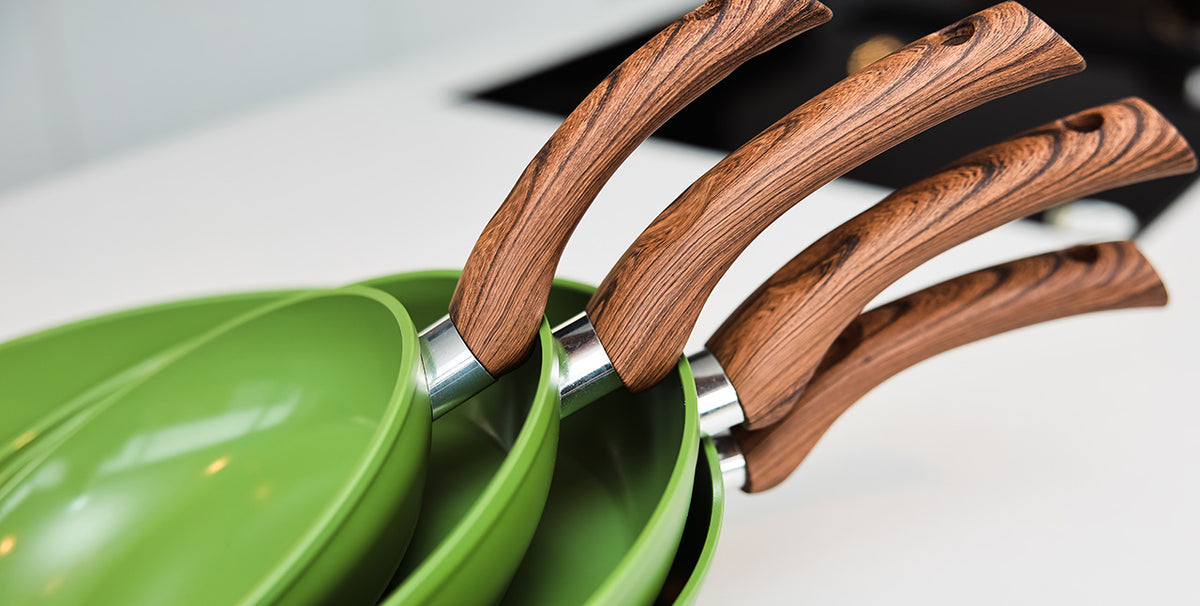

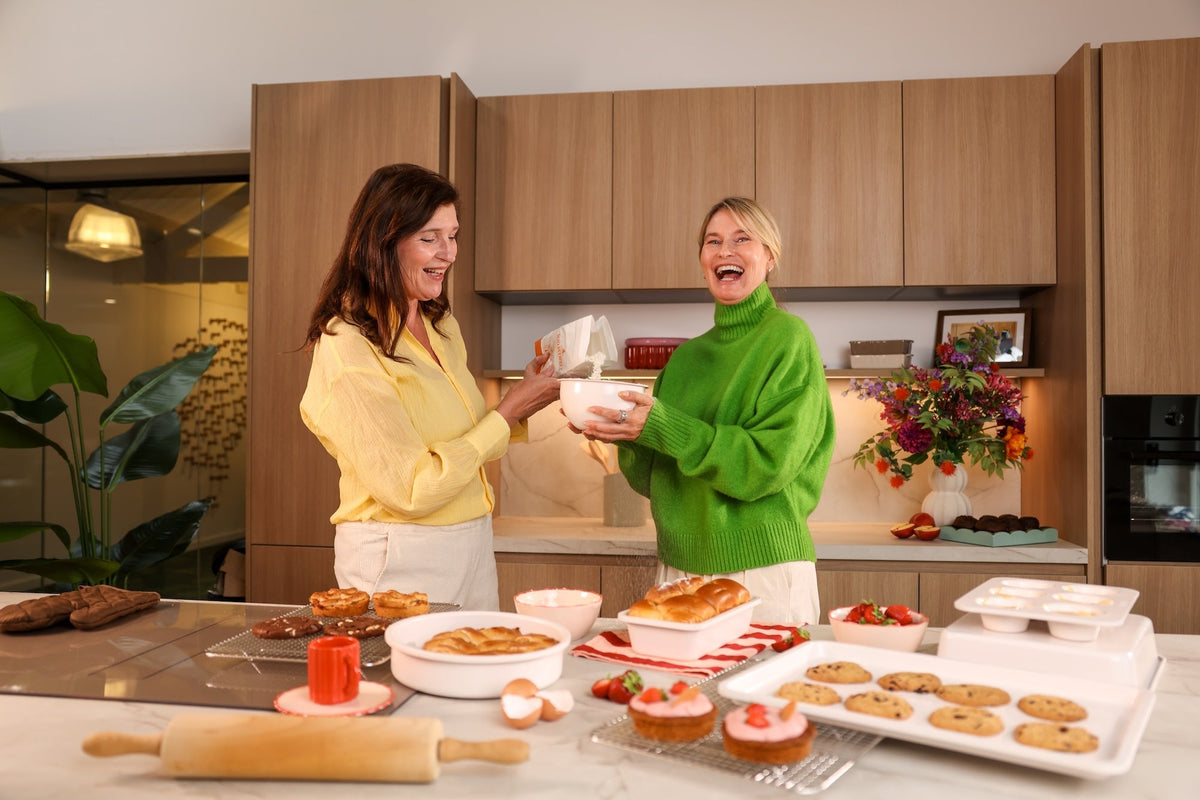
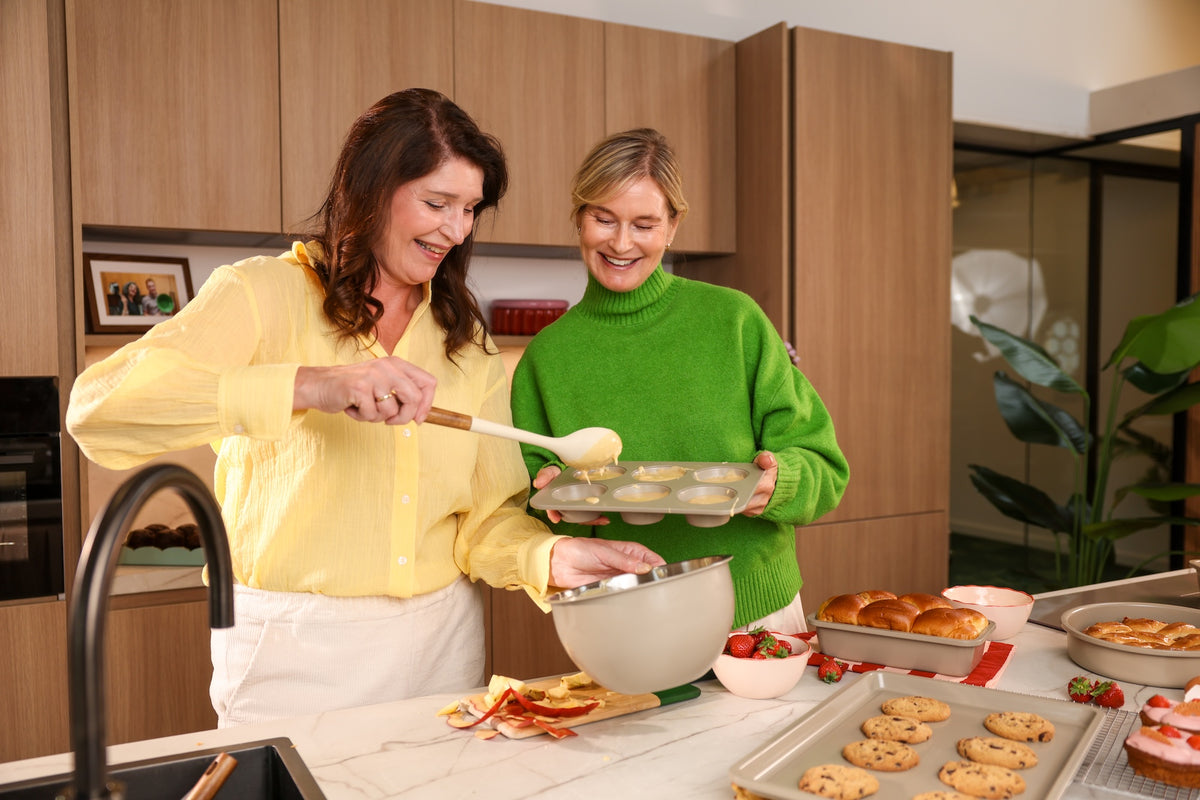









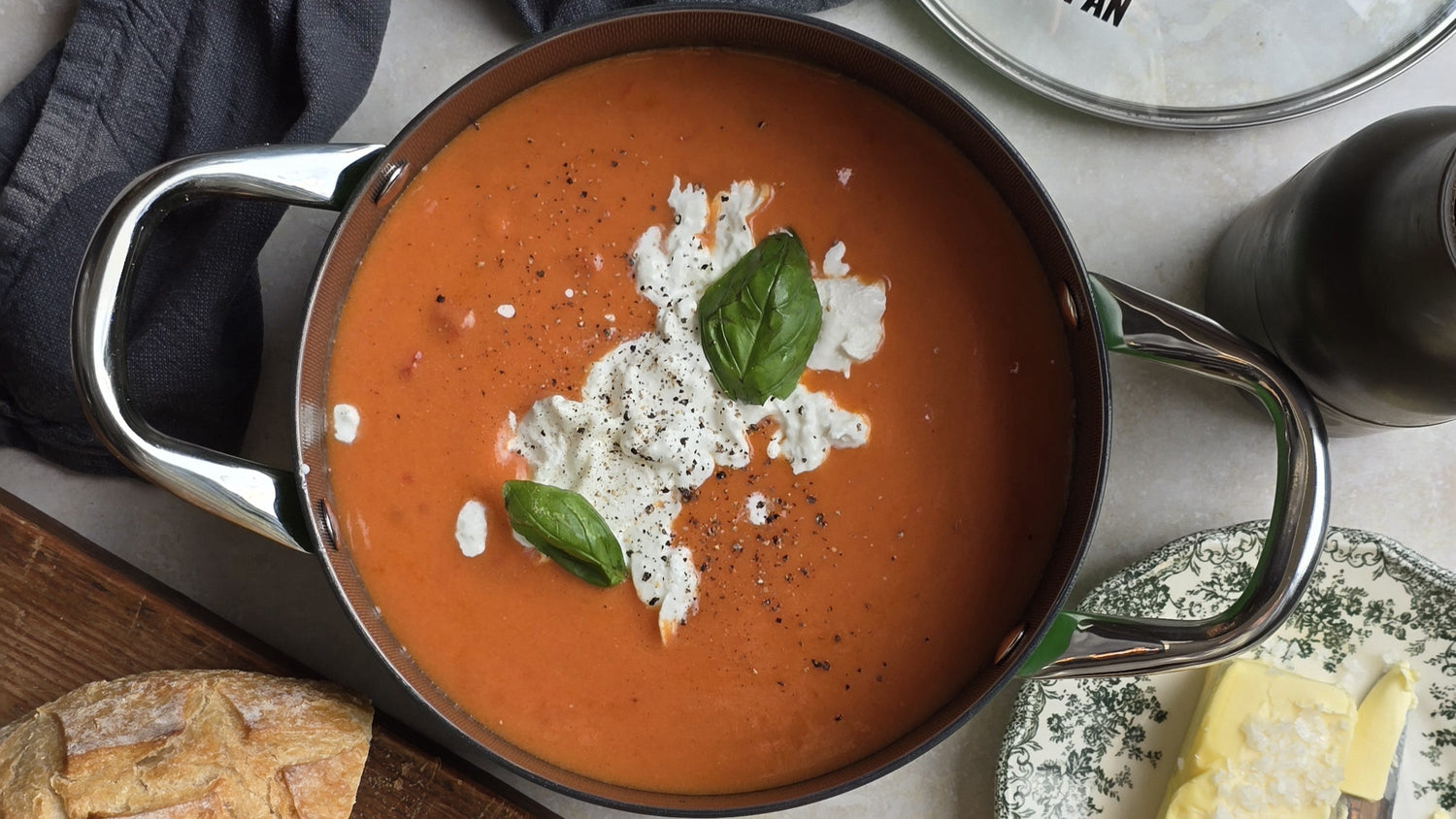
Ask ten people what they use their casserole pan for, and nine will say: stew. Tasty, but a shame. That heavy, wide pan with a lid can do far more than simmer for a few hours on a low burner. In fact, you need it almost all year round.
The casserole pan has an image problem
For many, the casserole pan is a winter thing: out of the cupboard in October, back in March. That is a pity, because it is perhaps the most versatile pan you own. A good casserole pan is wide, heavy, seals well, and spreads heat evenly. Those are exactly the qualities you want to use all year.
What actually makes a casserole pan special
A real casserole pan combines height, surface and weight. The wide base gives space to brown meat or vegetables without steaming them. The high sides keep sauces in. And the lid makes it perfect for slow cooking without losing all your liquid. It is almost a hybrid between a frying pan and a stockpot, with the benefits of both.

Eight ways to bring your casserole pan out more often
- Sear a whole chicken or large cut of meat and finish it in the oven
- Cook pasta for four to six and finish the sauce in the same pan
- Stir risotto on a wide, thick base
- Roast carrots, potatoes or fennel with the lid on
- Simmer soup or stock without it boiling over
- Curries or stewed curries with coconut milk and spices
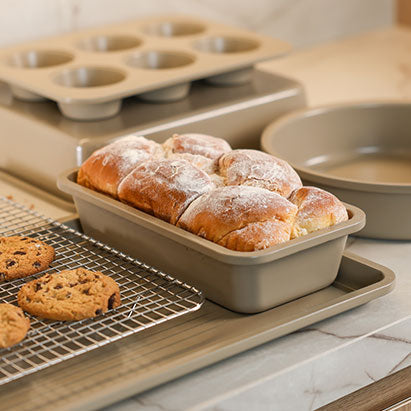
- Bakes that start on the hob and finish in the oven
- Even apple pie or clafoutis (yes, really)
One-pot dishes: this is what the casserole pan was made for
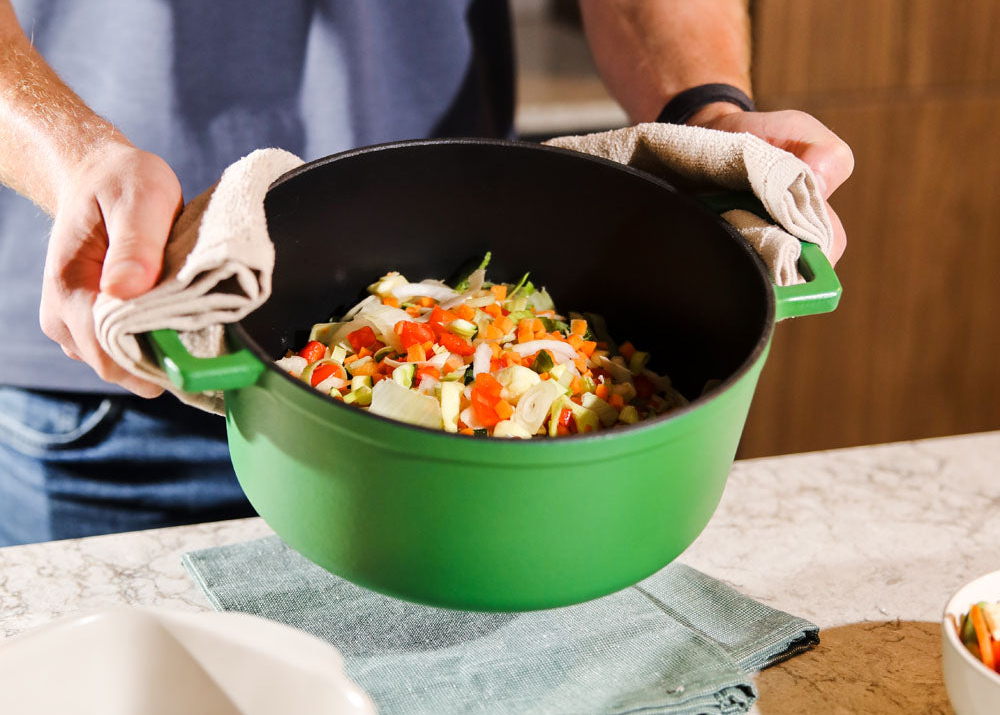
If one pan screams for one-pot cooking, it is the casserole pan. You sweat onion and garlic, add meat or fish, throw in vegetables and stock, lid on and done. No three pans to wash, no rice boiling over on another burner. Need inspiration? Read our tips on slow cooking without sticking and you will see why a casserole pan is handy all year.
Pasta from one pan: less hassle, more flavour
Many people boil pasta in a separate pot and make sauce alongside. You do not need to. A casserole pan of 28 or 30 cm holds enough for pasta for four to six, sauce included. The pasta releases its starch into the sauce, giving a creamier finish without cream. The pan becomes almost a serving dish that happens to cook too.
Risotto, rice and anything that wants slow heat
Risotto wants a wide pan with a thick base. Too thin and the rice catches, too narrow and the cooking goes uneven. Pilav, paella-style rice dishes and biryani also do beautifully in a casserole pan. The heat spreads evenly, the lid traps the steam, and you have room to stir without launching rice over the edge.
Curries, tagines and stews from across the world
The casserole pan is not a Dutch invention. Almost every cooking culture has a version: the French cocotte, the Moroccan tagine, the Japanese donabe. All built for slow cooking with a lid. A green Thai curry, an Indonesian rendang, a Mexican chilli: your pan handles them all, year round. Still hunting for a good one? Read our checklist of 5 questions to ask before buying a casserole pan.
From hob to oven: the secret of a good crust
One of the most underrated tricks in cooking: start a dish on the hob and finish it in the oven. You sear meat or vegetables, add liquid and seasoning, then put the whole pan in the oven. No second dish, no transferring. That only works if your pan is ovenproof. Our ceramic casserole pans handle up to 200 degrees in the oven. Want more on that switch? Read our guide on ovenproof pans.
Why a ceramic casserole pan is our pick
At Cook & Pan we deliberately use a ceramic non-stick coating in our casserole pans. No PFAS, no PTFE, no needless chemistry. Just a layer that lets you brown properly and release everything cleanly. For more on why ceramic is a smart choice, see our deeper piece on the benefits of ceramic pans.
Also suited to induction (and every other source)
A good casserole pan works on gas, electric, ceramic and induction. All our casserole pans have an induction-ready base and handle every source. See our casserole pans for induction if that is your hob. Tip: cook at 70 to 80 percent of maximum power, this saves wear and lets the heat work through better. Why that is smart, read in our piece on sustainable cooking.
Which size suits your kitchen?
Pick a casserole pan based on household size and cooking style. A few pointers:
- 24 cm: for one to two people or as an extra alongside a larger one
- 26 cm: the all-rounder for a family of three
- 28 cm: ideal for a family of four and one-pot dishes
- 30 cm: for big families, guests or batch cooks
If you are between sizes, go up. A casserole pan that is too small boils over. One slightly too big still does fine with less in it.
What sets the casserole pan apart from a wok or saute pan
People mix up the casserole pan with other pans. A wok has sloping sides and is built for fast stir-frying. A saute pan has lower sides and is for quick saucy dishes. The casserole pan sits between: tall enough to hold liquid, wide enough to brown, heavy enough to cook evenly. Want to use a wok on induction? Read our advice on the best wok pan for induction.
Pair the casserole pan with the right basics
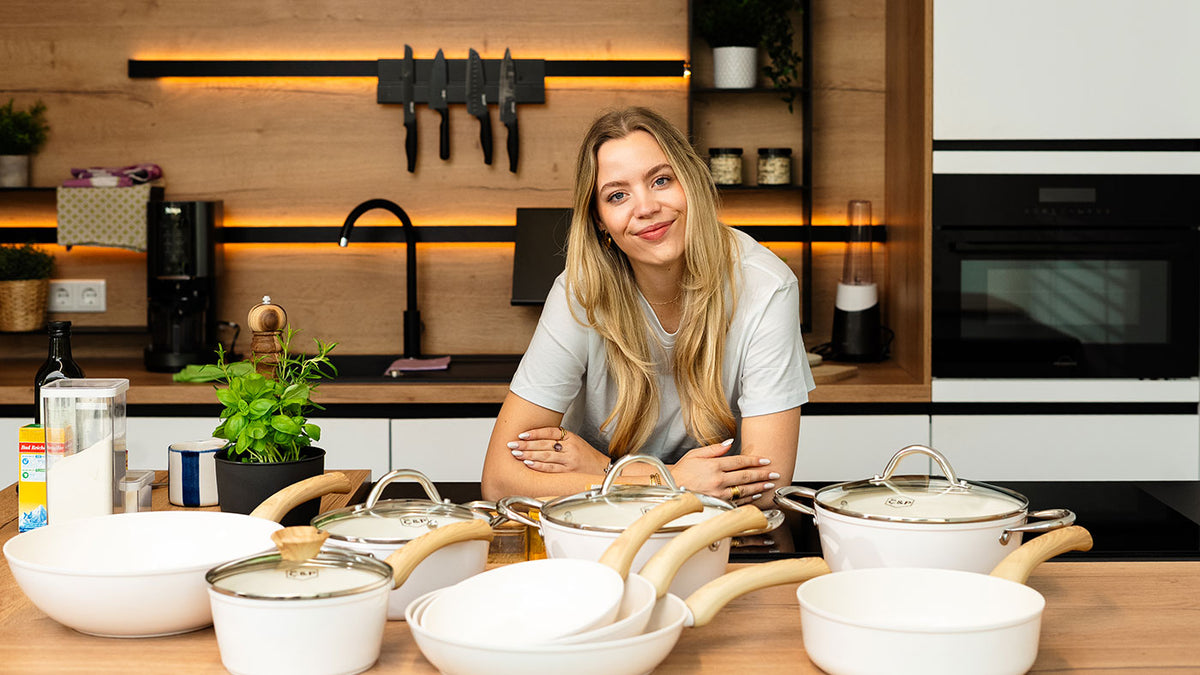
A casserole pan rarely stands alone. A solid frying pan, a stockpot and a saucepan complete the picture. Want a complete set in one go, see our cooking pot sets where a casserole pan is often included. Prefer to buy single? Then browse all our casserole pans and build your own combination.
A few things not to do with your casserole pan
- Do not preheat empty on the highest setting: ceramic conducts too efficiently for that shock
- No cold water straight after cooking: thermal shock can damage the coating
- No steel spatulas or metal spoons: wood or silicone stays the golden rule
- No aggressive dishwasher tablets or eco mode: hand wash extends the life noticeably
- No cooking sprays: they leave a sticky film that tires the ceramic coating
The casserole pan as a kitchen hero in every season
Try your casserole pan in July for a one-pot with courgette and chicken, or a risotto with peas. You quickly notice it is not just for the dark months. The casserole pan is not a seasonal pan, it is an all-rounder that happens to be brilliant for stews too. Give it the spot it deserves: at the front of the cupboard, ready to go.
💡 Please note: we love cooking with boldness, but safety always comes first. Read more on our disclaimer page.