


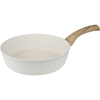

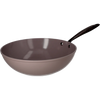

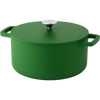

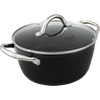



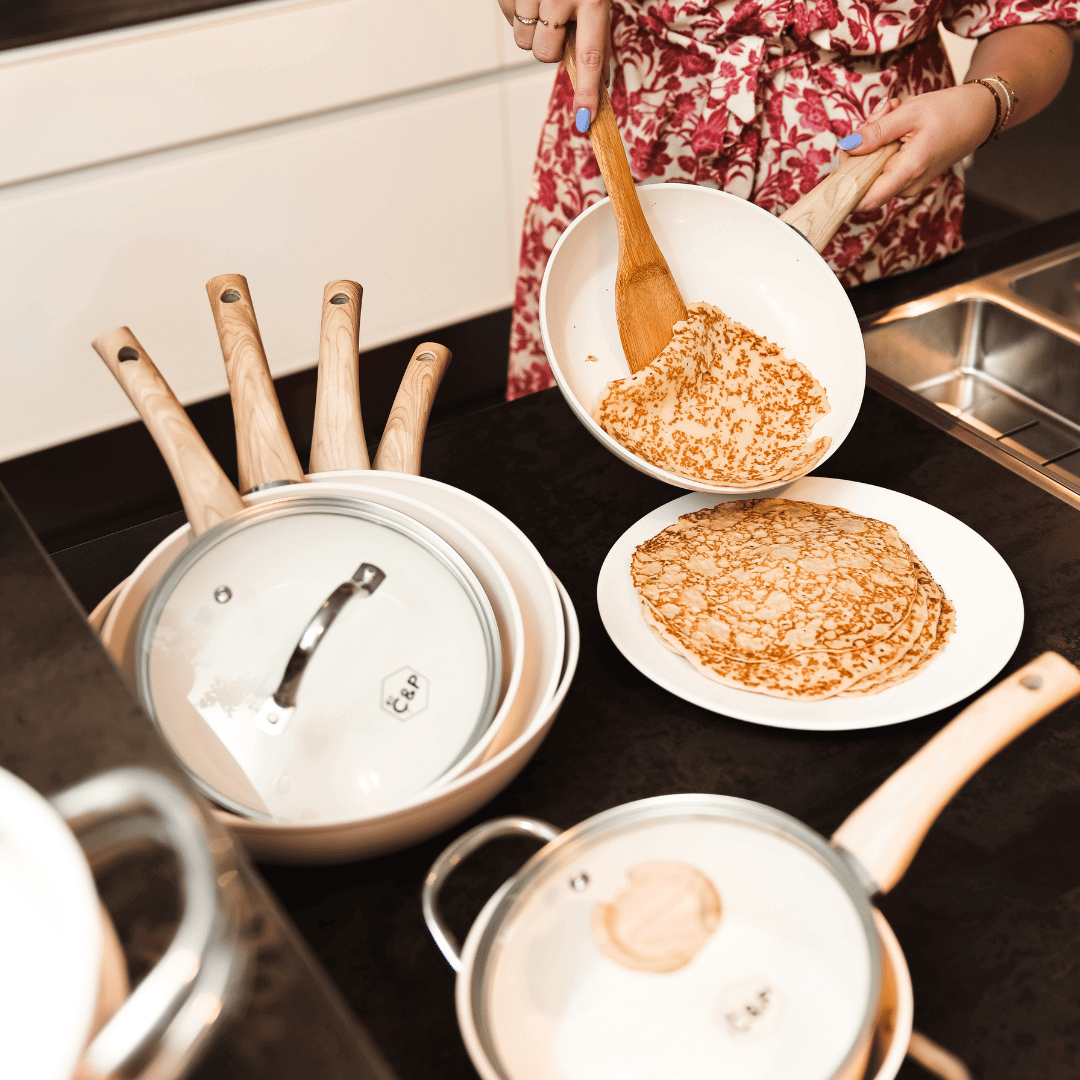


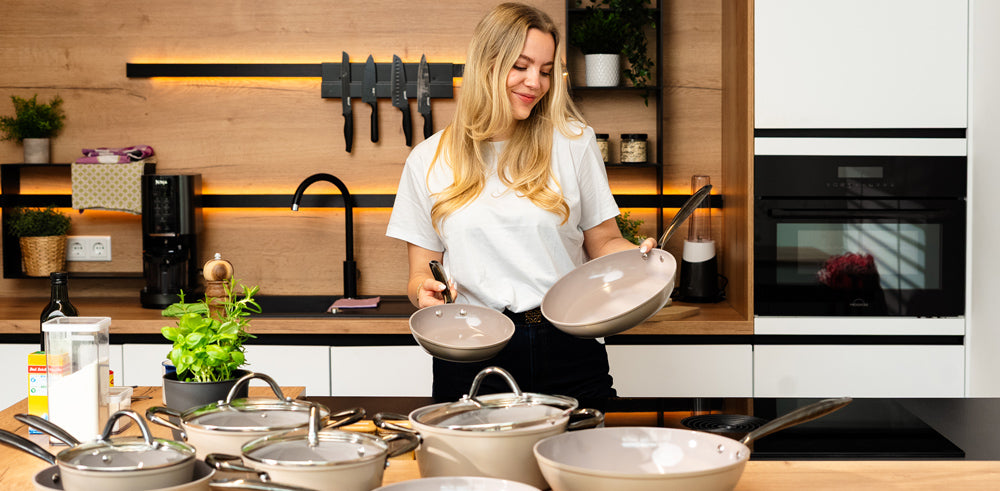
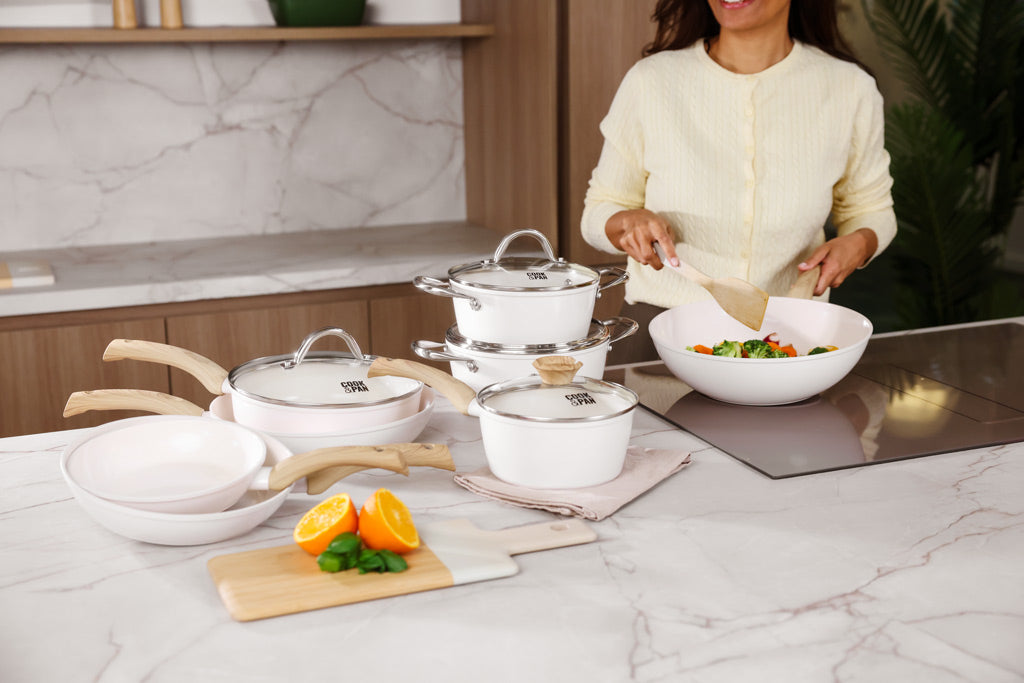










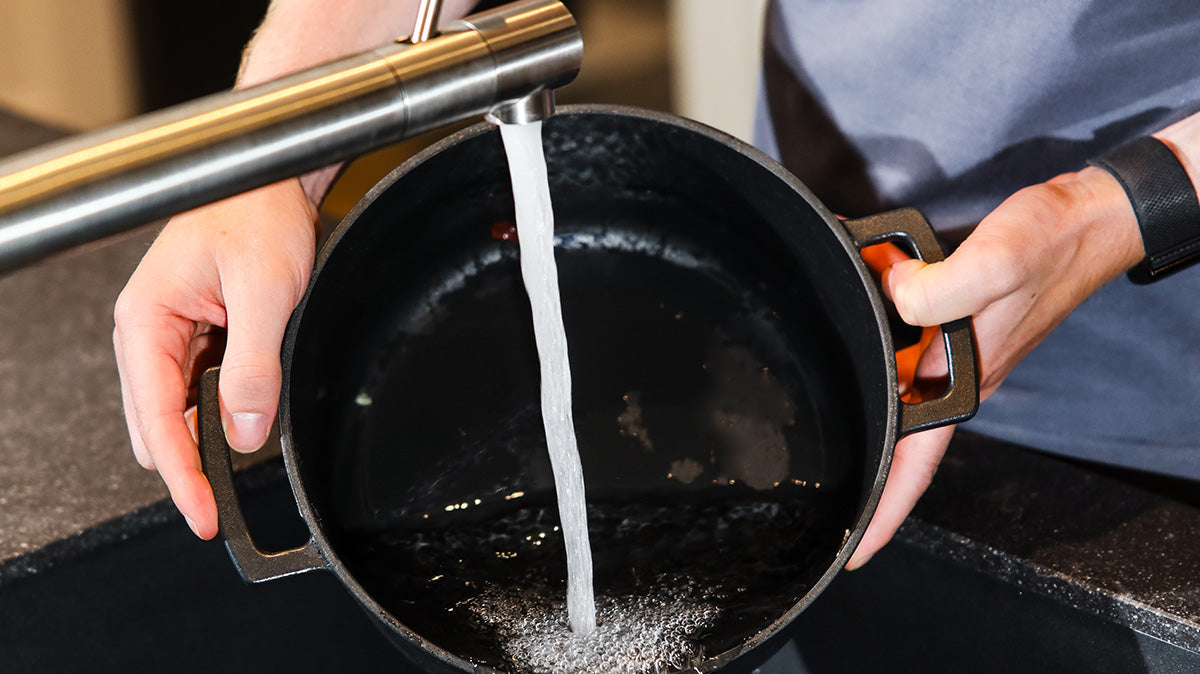
Picture it: you've just plated a perfectly seared steak. The pan is still sizzling on the hob and you're hungry and in a hurry. The sink calls and you're tempted to slide that hot pan straight under the cold tap. Wait. Pause. Don't. What happens in that one second between a glowing base and ice water is exactly the drama that costs your pan years of its life.
What can go wrong in a single second
A hot pan under cold water feels like the fastest way to cool down and start washing at the same time. Physically it's a flood of collisions: metal or coating contracts at speed, the different layers in your pan each want a different pace, and somewhere in that conflict your pan gets a "shock" that silently chips away at everything you love about it. This phenomenon is called thermal shock, and it's one of the most underrated reasons a pan ends up in the bin before its time.
Why materials react differently to temperature swings
Every material expands in heat and contracts in cold, that goes for aluminium, stainless steel, cast iron and coatings too. With gentle heating and cooling all those layers have time to move together. With a sudden cold shower after high heat, three things happen at once:
- The outside cools faster than the inside, creating stress.
- The coating, chemically different from the underlying metal, can form hairline cracks.
- The base can bulge slightly, which means the pan no longer sits perfectly flat on induction.
And all of that within a few seconds.
What thermal shock does to a ceramic coating
Ceramic coatings are hard, natural layers that handle heat beautifully. They're just less elastic than synthetic coatings, which makes them poor at dealing with sudden temperature changes. Put a glowing ceramic pan under the tap and you don't get an instantly visible problem, but a network of microscopic cracks where fat and protein can crawl in at every following cook. Three months later you think: why does this pan suddenly stick?
What it does to an aluminium frying pan
Aluminium conducts heat at lightning speed, which is what makes it so great in the kitchen. Exactly that property makes aluminium sensitive to thermal shock: the base contracts in a blink and can warp slightly. A warped base no longer sits perfectly flat on your induction hob and significantly lowers cooking efficiency. That's why Cook & Pan gives its aluminium pans a deliberately subtle doming so they pull perfectly flat while cooking. You lose that balance if you cool the pan abruptly.
What's at stake with cast iron and enamel
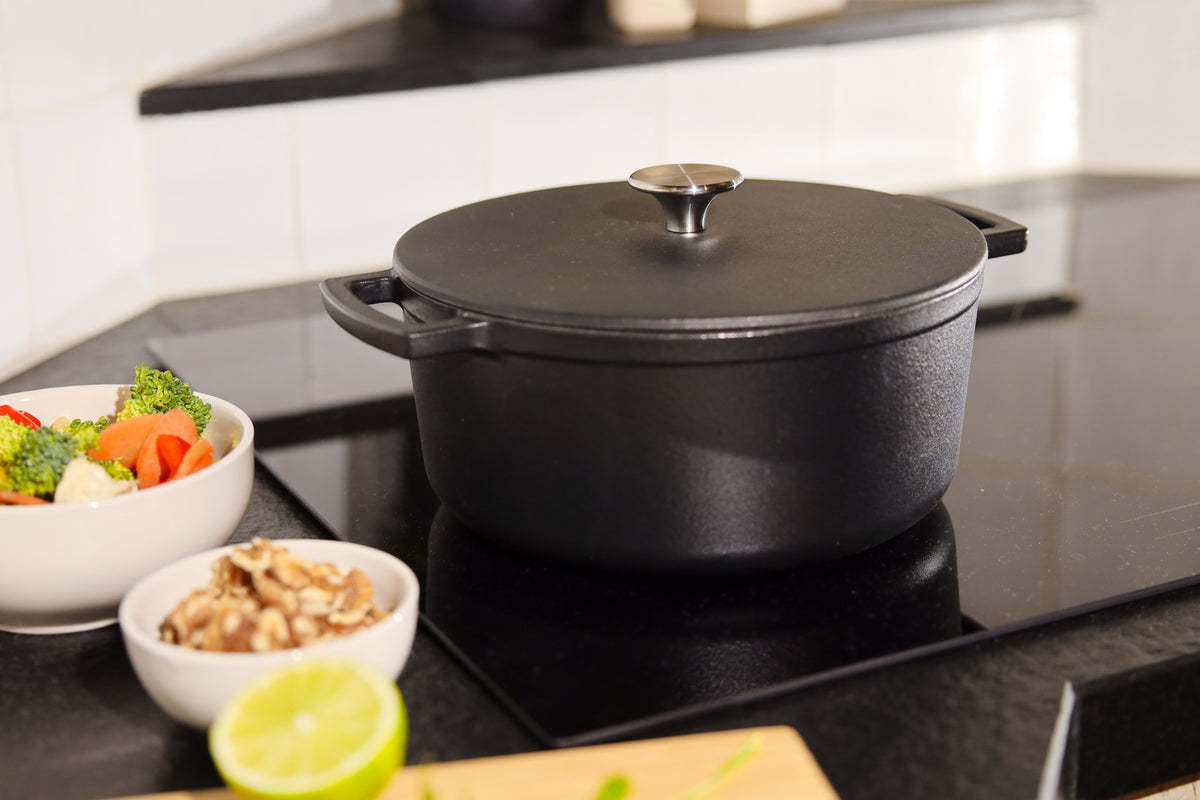
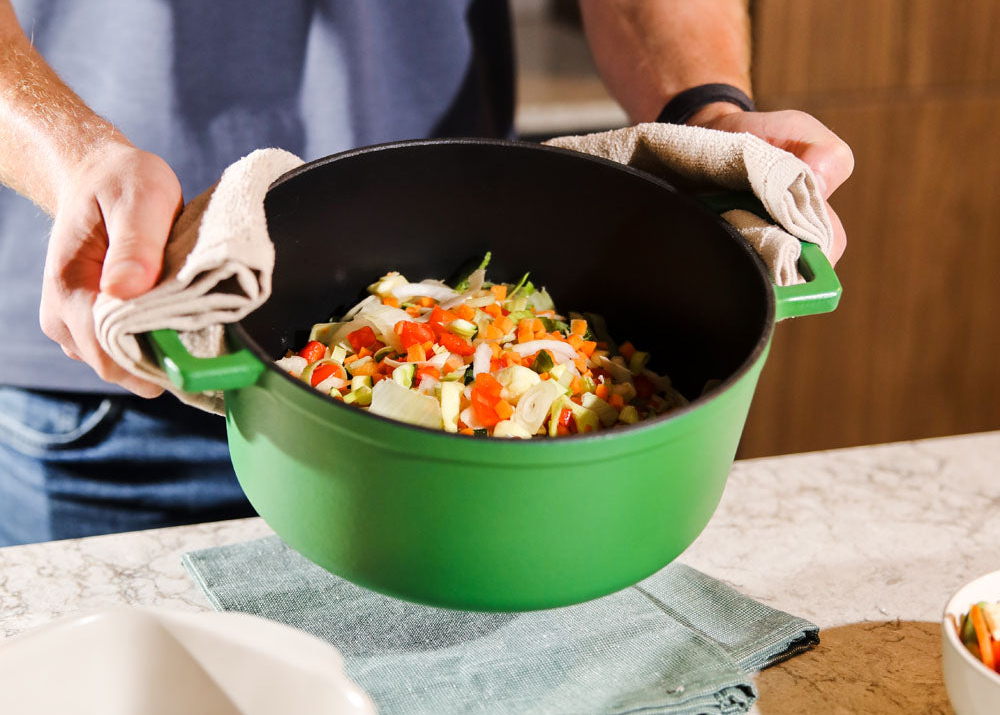
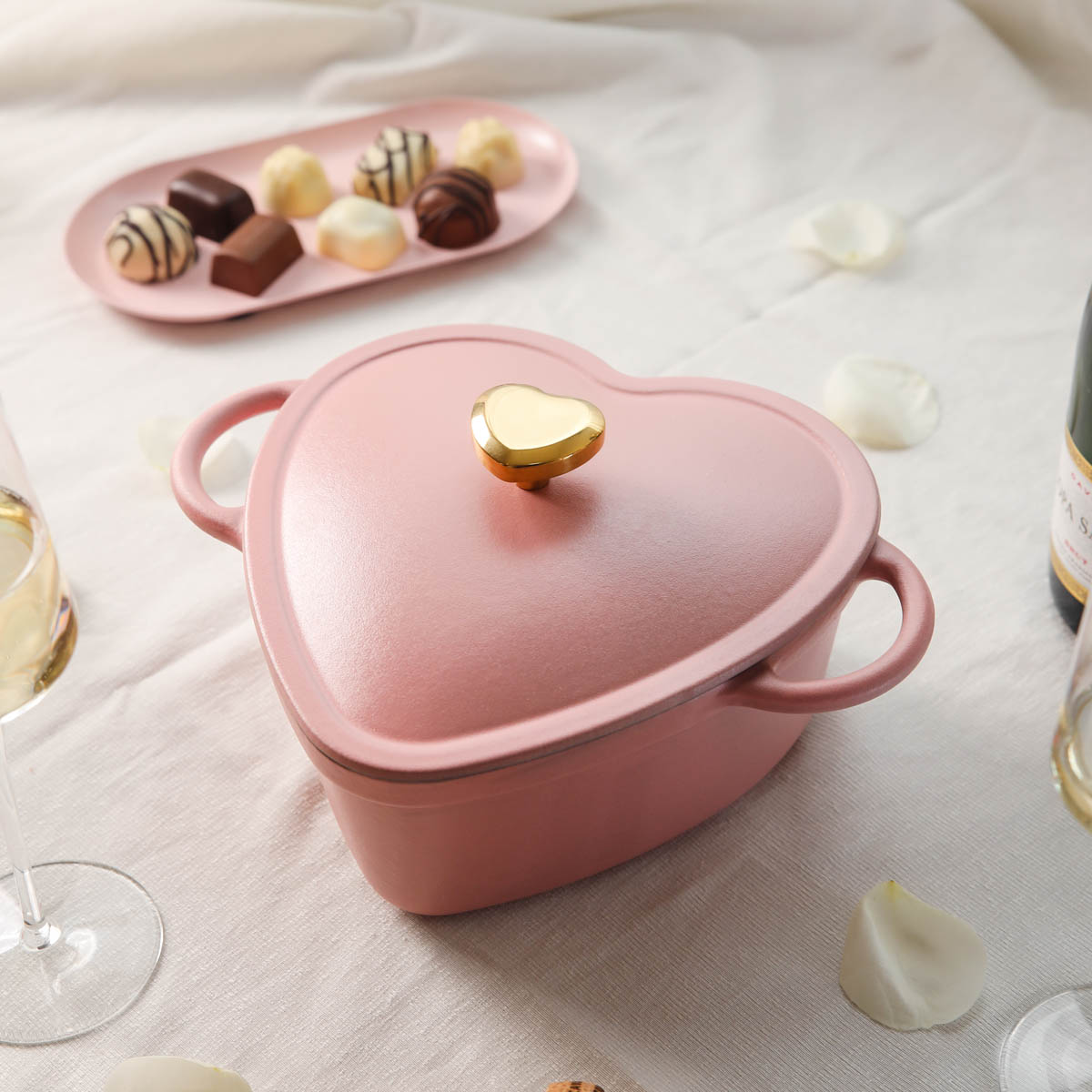
Cast iron with an enamel coating is a formidable duo: super durable, beautiful in use and at the same time vulnerable to sudden cooling. Enamel is essentially glass fused onto cast iron. Glass in a cold shower after high heat? You don't want that. Result: craquelé (fine cracks) or at worst chipped pieces along the rim. A shame for a pan that otherwise lasts generations.
The right cool-down routine in three steps
- Take the pan off the heat and place it on a heat-resistant surface, preferably your worktop or a trivet.
- Let the pan rest for five to ten minutes until it reaches room temperature.
- Only then rinse with lukewarm water and a soft sponge. Not ice cold, not boiling, just pleasant.
Rest time is cook time too
Cooling a hot pan feels like waiting, but it's actually a perfect transition phase. Use those few minutes to set the table, dress a salad, or pour your glass of wine. The rhythm of your kitchen becomes calmer and more enjoyable. And your pan is the grateful recipient of that calm.
What you must never do
- Plunge the pan from hob to sink straight away.
- Place a hot pan on a wet worktop or a damp dishcloth.
- Throw cold ingredients like icy sauce or frozen vegetables into a glowing pan. That's also a form of thermal shock.
- Quench the pan with a splash of water. Effective? Maybe. Damaging? Certainly.
How a Cook & Pan pan handles everyday temperature swings
Our pans are made to work hard. The aluminium frying pans have a hardened ceramic layer that switches without fuss from cooking to warm rinsing. The stainless steel pans have multilayer bases that distribute stress. And our cast iron pans with an enamel coating are fired under extremely controlled conditions, giving the coating exceptional adhesion. None of that is a free pass for a cold-tap moment, but it does mean your pan shrugs off every normal kitchen cool-down.
A rare exception: the sear-and-deglaze trick
There is one situation where professional chefs briefly use liquid on a hot pan: deglazing. A splash of wine or stock in a pan that just finished frying meat, to lift all those lovely browned bits into a sauce. That's different from cold tap water on a glowing base: it's warm liquid in controlled quantities, with a purpose. Go for it. That's cooking. The cold shower in the sink: no.
What to do if it's already happened
Tormenting yourself over a mistake is a waste of energy. If your pan got a cold shower, check it for visible damage: a bulging base, warping, loose coating. Nothing to see? Big chance your pan survives and keeps cooking happily. From now on cool it down gently every time, and it'll serve you for years to come. Works the same way on the induction hob.
Calm is your best ally
In the kitchen you often need speed, but not everywhere. The moment between cooking and washing up is one of those rare resting spots. Give your pan that breather, give yourself that breather, and you'll find cooking gains a rhythm that feels better. The aluminium, stainless steel and cast iron pans from Cook & Pan are designed to last, year after year, as long as you treat them as a trusted colleague and not a throwaway tool. Let it cool down. Then it's fresh for round two.
💡 Please note: we love cooking with boldness, but safety always comes first. Read more on our disclaimer page.