























Kitchen panic: your pan warps
We all know it: you put your brand new pan on the induction hob and… pop, it wobbles like a badly balanced pancake. Frustrating, but no reason to give up on your cooking dreams just yet. We explain why it happens and what you can do to prevent it – no panic, just practical tips.
Why warping happens – and what induction has to do with it
Induction heats up super fast. And where there’s speed, there’s stress. If you put a mediocre quality pan on an induction hob, the base can deform due to uneven or too rapid heating. But even good pans need a little love. Because even top materials have their limits.
Material makes the difference
Not every material reacts the same to induction. That’s why it’s smart to know what you’re bringing into your kitchen.
- Aluminium: Light, heats up quickly. But if you choose induction? Then only with a magnetic base.
- Stainless steel: Durable and sleek, but not every stainless steel is suitable for induction. Check the label.
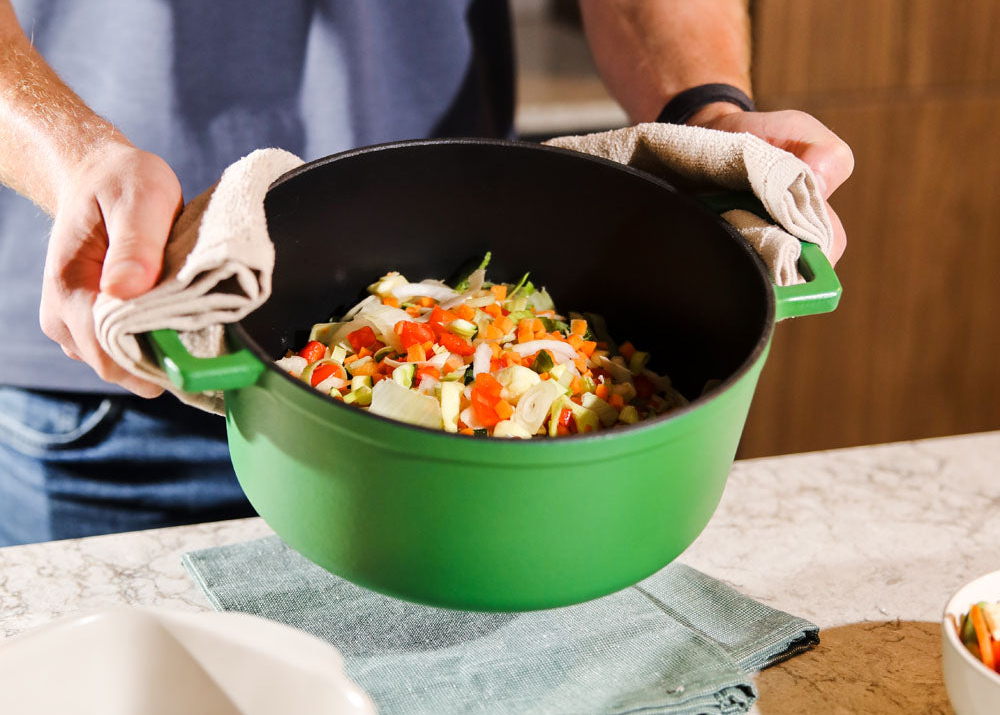
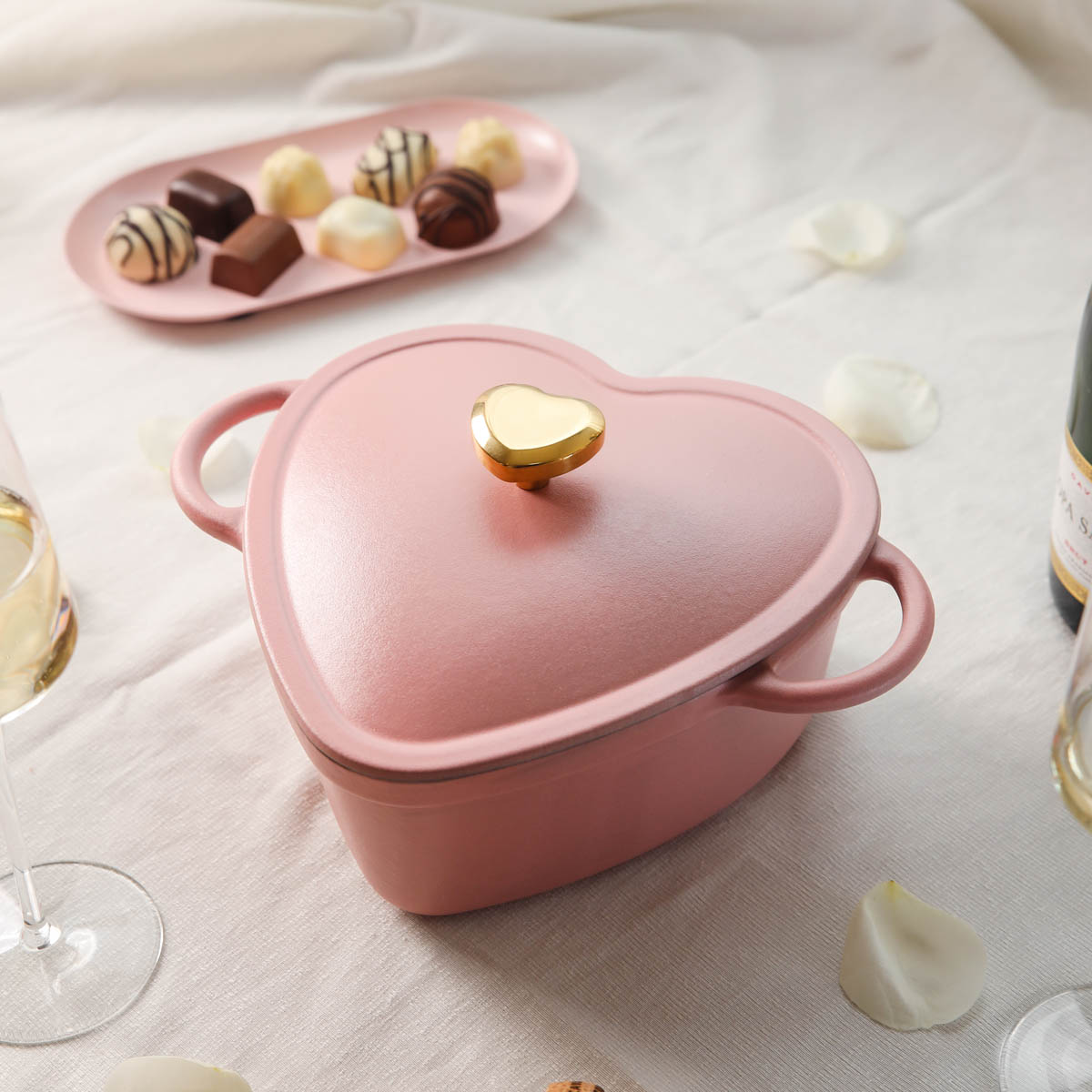
- Dutch oven: Heavy and stable. Holds heat well and stays steady – as long as you take it easy with the temperature.
Cheap often means warped
A pan for ten euros sounds nice until it warps on your induction hob. Pots and pans with a thin base and poor heat conduction give up quickly. Cook & Pan consciously chooses materials that better withstand the induction challenge – with the note that our pans also need some attention.

How do you know if a pan is induction-proof?
Simple: grab a magnet. Does it stick to the bottom of your pan? Then you have a contender. No click? No match.
Our induction heroes – with instructions
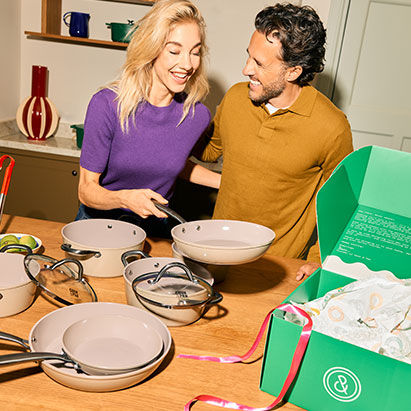
Our pans are designed with induction in mind. From aluminium models with extra reinforced base layers to stylish Dutch oven powerhouses – they’re ready for action. But just like you, they have their limits. Heat on medium, and don’t rinse them cold under the tap – that helps keep them in top shape.
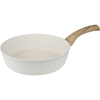
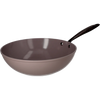
- Aluminium wok with induction base – heats quickly, light in hand.
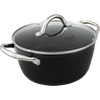
- Stainless steel frying pan with sandwich base – stable and sleek.
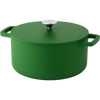
- Dutch oven – keeps its shape and your stew warm.
How to use your pan smartly on induction
A pan is no robot – you don’t want it to run wild either. Follow these tips and warpers won’t stand a chance:
- Never heat your pan empty on full power.
- Start gently and build up the temperature.
- Let your pan cool down before cleaning it.
Pitfalls when buying an induction pan
Want to avoid bad buys? Watch out for:
- A thick, magnetic base – both tangible and visible.
- Clear “suitable for induction” label.
- No exaggerated claims like “indestructible” (not even from us).

Why Cook & Pan is a smart choice
Our pots and pans are made for those who choose consciously. For sustainability, quality, and style. We don’t promise magic, but a smart match with your hob – as long as you treat them like kitchen mates, not superheroes. That way your pan stays in top shape, just like your recipes.
Your pan is warped – now what?
Already got a wobbler? It might still work on gas or ceramic. But for induction you want stability. Time for an upgrade? Now you know what to look for – and where to find them.
In short
Induction + wrong pan = frustration. But with the right knowledge and a bit of care, your pan stays nicely in shape. Choose reliable quality from Cook & Pan – no promises too good to be true, but a pan that fits you.
💡 Please note: we love cooking with boldness, but safety always comes first. Read more on our disclaimer page.