


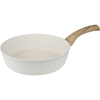

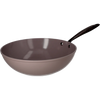

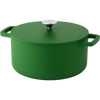

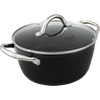
















PFAS in eel from Dutch rivers, PFAS in wild game, and recently also PFAS in eggs from hobby chickens: you really have to watch what you eat. But even if you’re very careful about this, there’s still a good chance you get these harmful substances through your food. Almost six out of ten Dutch people still use pots and pans with a non-stick coating that contains PFAS. This is shown by a study we commissioned among 500 Dutch people.
Most people know the risks
It’s remarkable that so many still cook with ‘PFAS pots and pans’, says our founder Teun ten Dam. “Our research shows that two thirds of respondents know what PFAS is and three quarters also know it’s in non-stick coatings. Yet less than a third consciously cook PFAS-free. People clearly underestimate the health risks and the long-term environmental impact.”
Parents with young children cook more often PFAS-free
Interestingly, people with children seem to think about this more often. Only half of parents with young children (up to 13 years) cook with pots and pans that contain PFAS, while in households without or with older children it’s almost two thirds. “Apparently we do draw a clear line for our kids, that says a lot. We know those substances aren’t okay, but seem to still accept them for ourselves,” says Teun.
PFAS pots and pans often cheap
But if we know that pots and pans with a PFAS non-stick coating are bad for us, why do we still use them? Teun: “Simple: they’re dirt cheap. At the discount store you can get one for less than ten euros. Sounds tempting, until you realize that such a pan wears out quickly and you either have to buy a new one or keep cooking with flaking layers in your food. That’s not a bargain, that’s a side dish you didn’t order.”
It seems many Dutch people are starting to see that too. 53 percent of respondents in our survey say they are willing to pay more for a PFAS-free pan. Among parents of young children, this rises to 73 percent. We hope they will soon turn this into action.
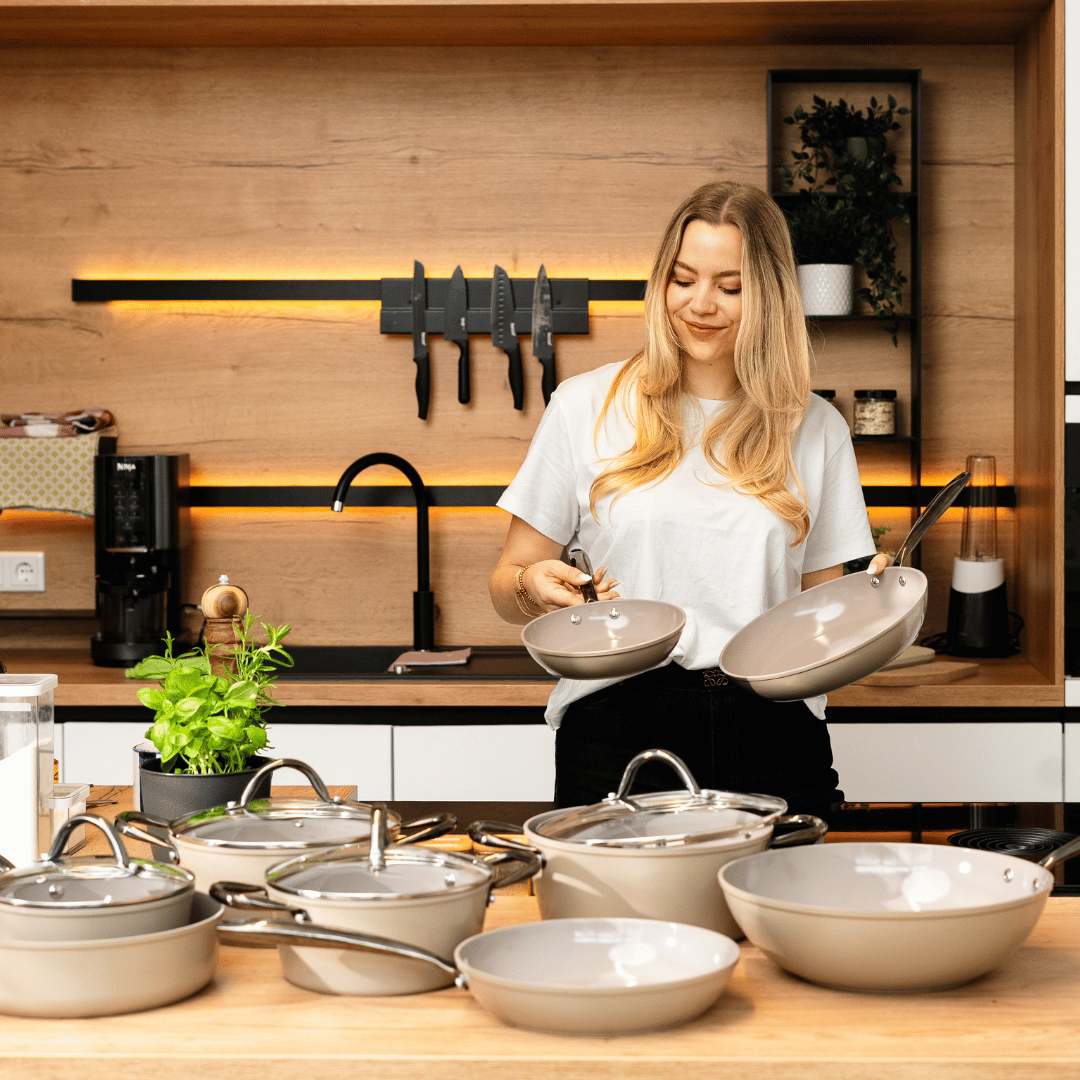
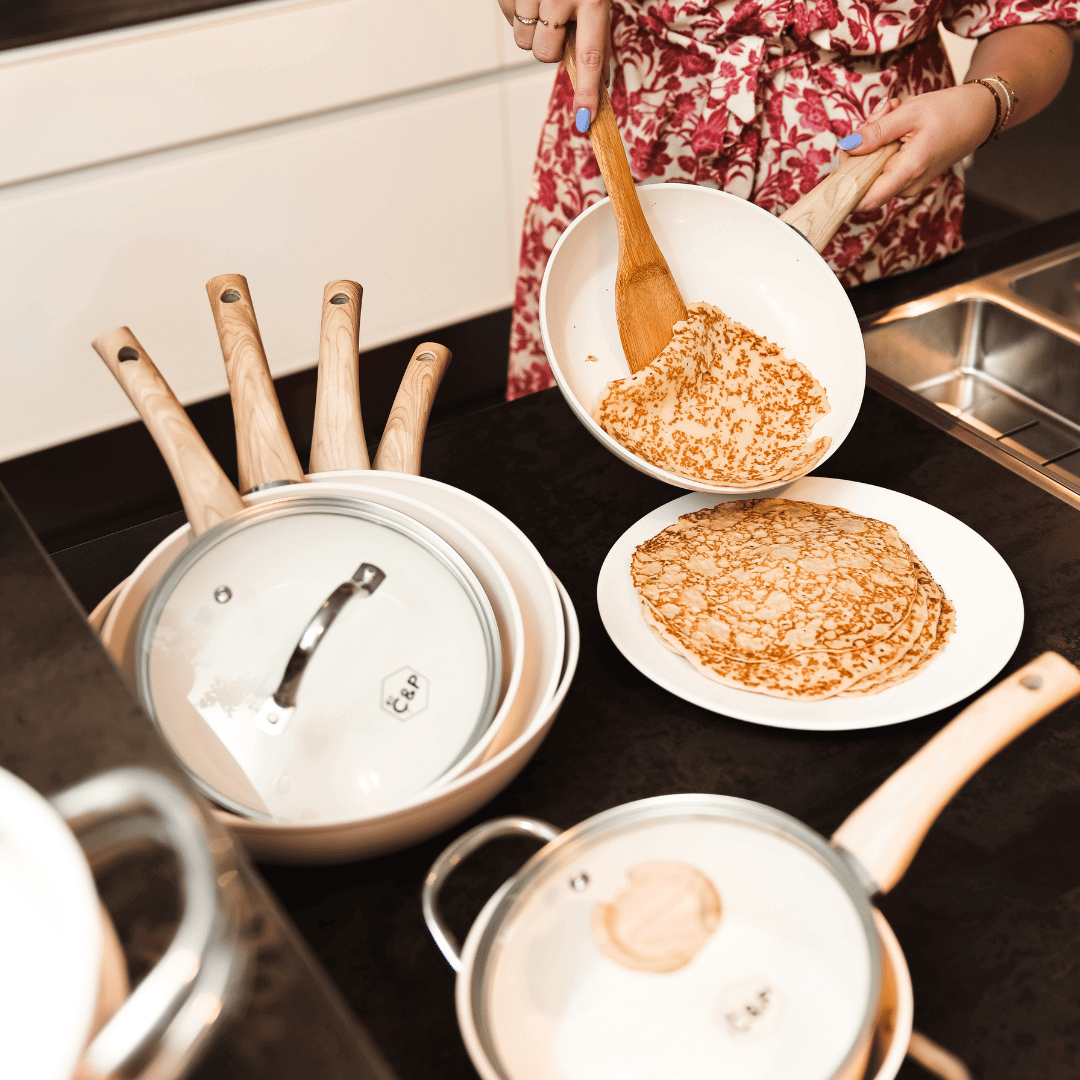
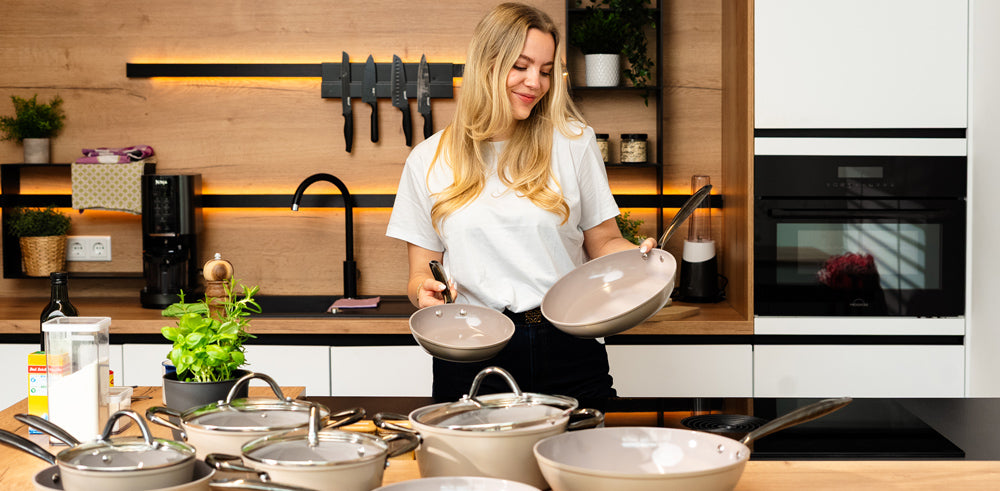
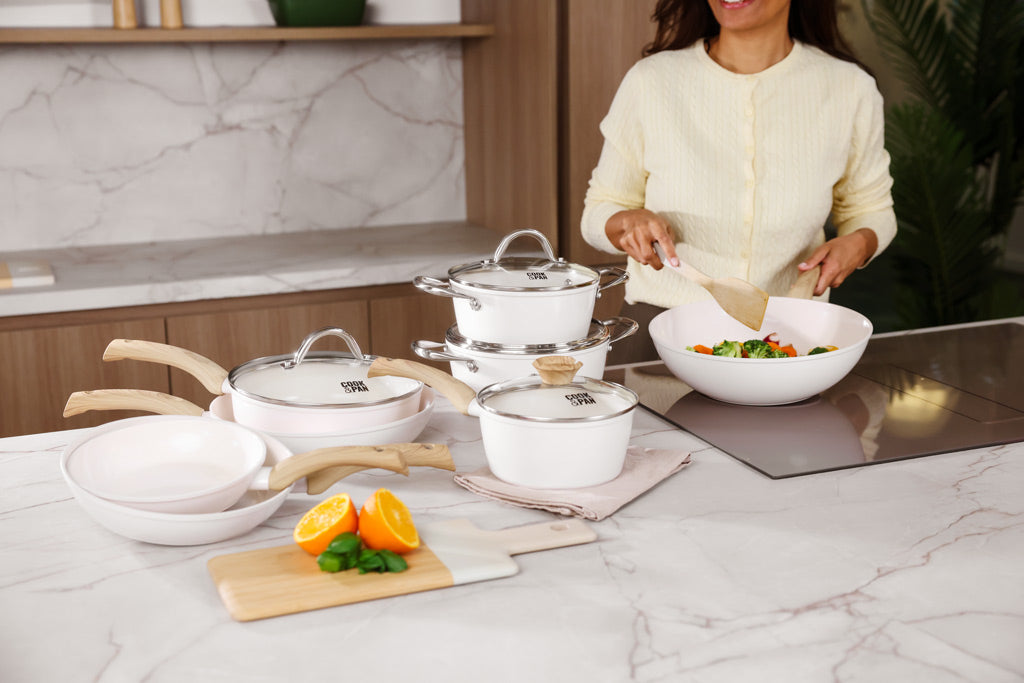
“Do you really want to get less PFAS inside you? Then it’s not just about what you eat, but also about where you prepare it. That pan on your stove plays just as big a role as what’s on your plate. A conscious choice in the kitchen isn’t rocket science, but it is a small effort with a big impact.”
💡 Please note: we love cooking with boldness, but safety always comes first. Read more on our disclaimer page.