



























Nothing as disappointing as a soggy doughnut
You know the feeling. You’re going along nicely, the batter looks great, oil on the heat… and then it comes out like a soggy sponge. Cause? Often not the recipe, but the pan. Because yes, the same goes for doughnuts: with the right tools, you’re already 3-0 ahead. No deep fryer needed, no baking diploma. Just a pan that does what it’s supposed to do.
How to choose a pan that makes your doughnuts rise
You fry doughnuts in oil – lots of oil. And that calls for a pan that can take a beating. What should you look for?
- Deep sides: so the oil doesn’t splash over the edge
- Stable bottom: because constant heat = evenly fried doughnuts
- Material: dutch oven or thick stainless steel is great. It holds heat without spikes and drops
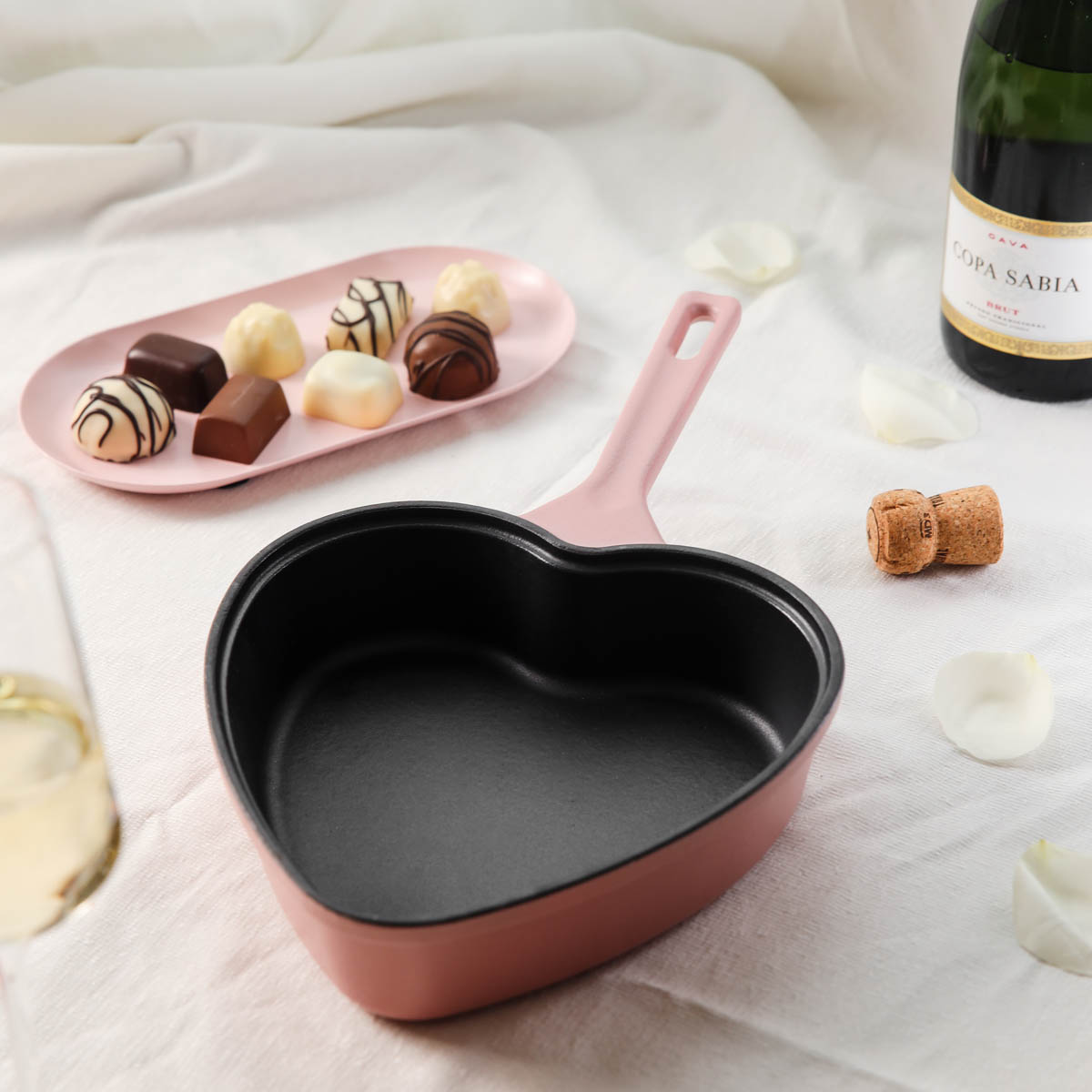
- No non-stick coating: that can get damaged at 180 degrees oil
A regular frying pan? Only if you love failures. So just leave it be.
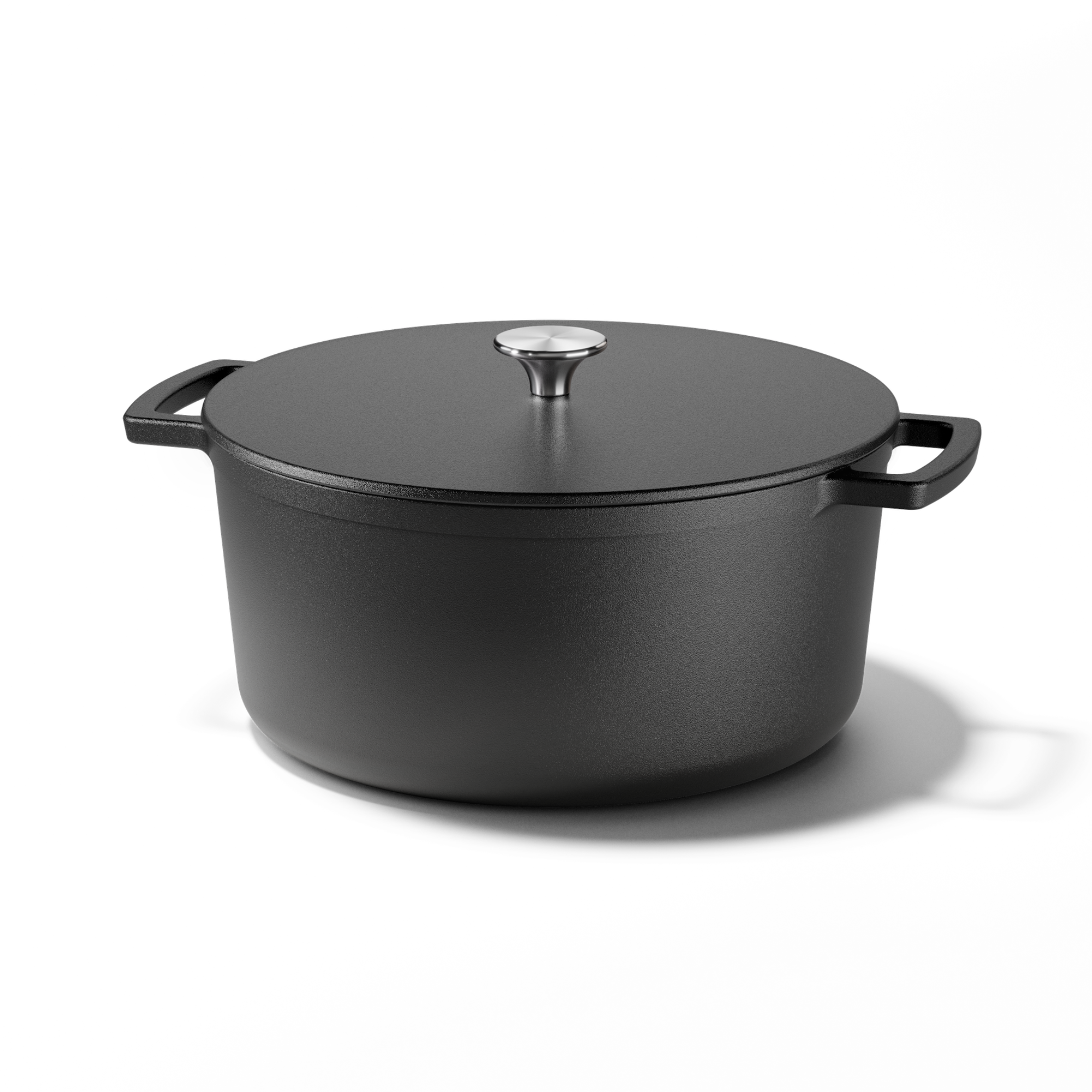
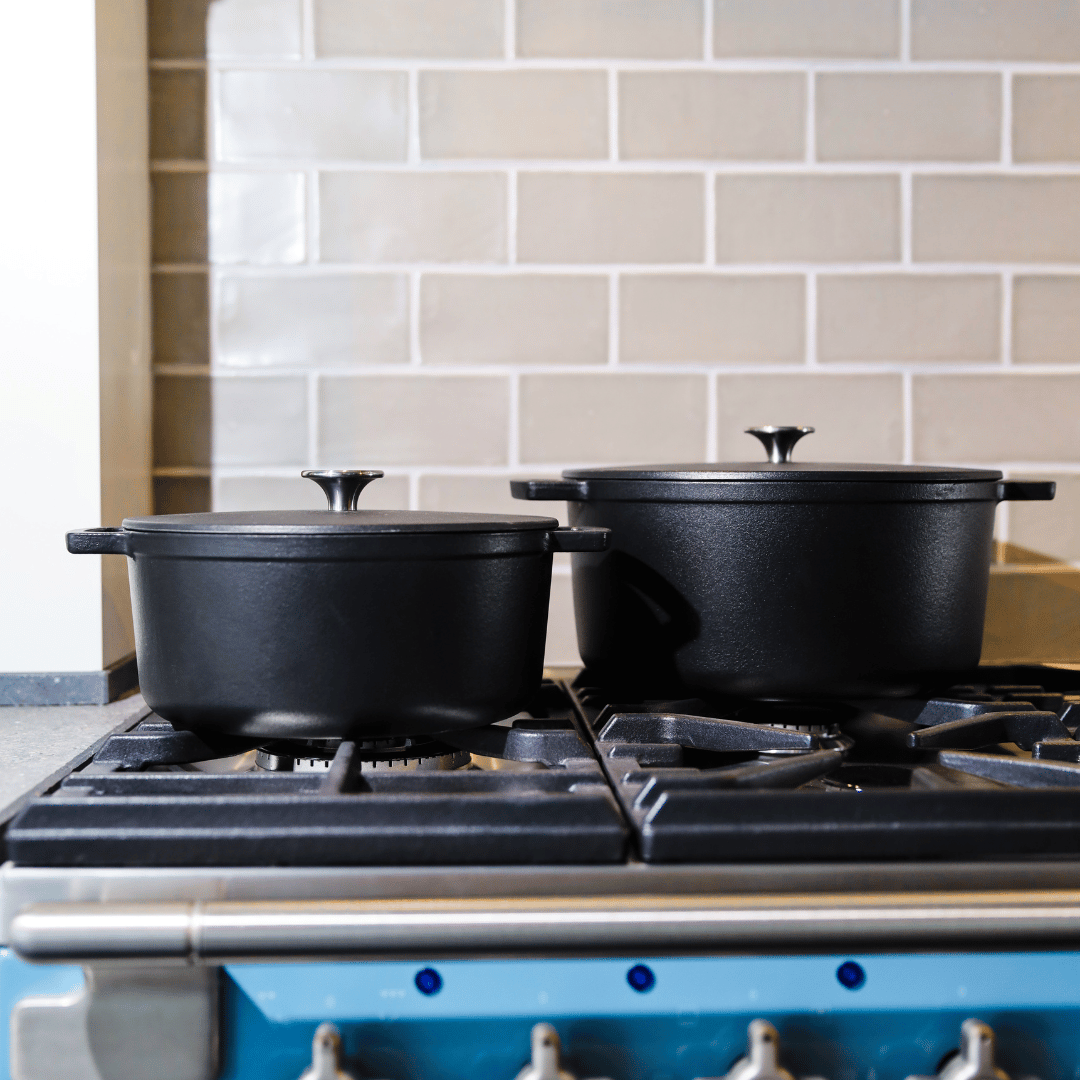
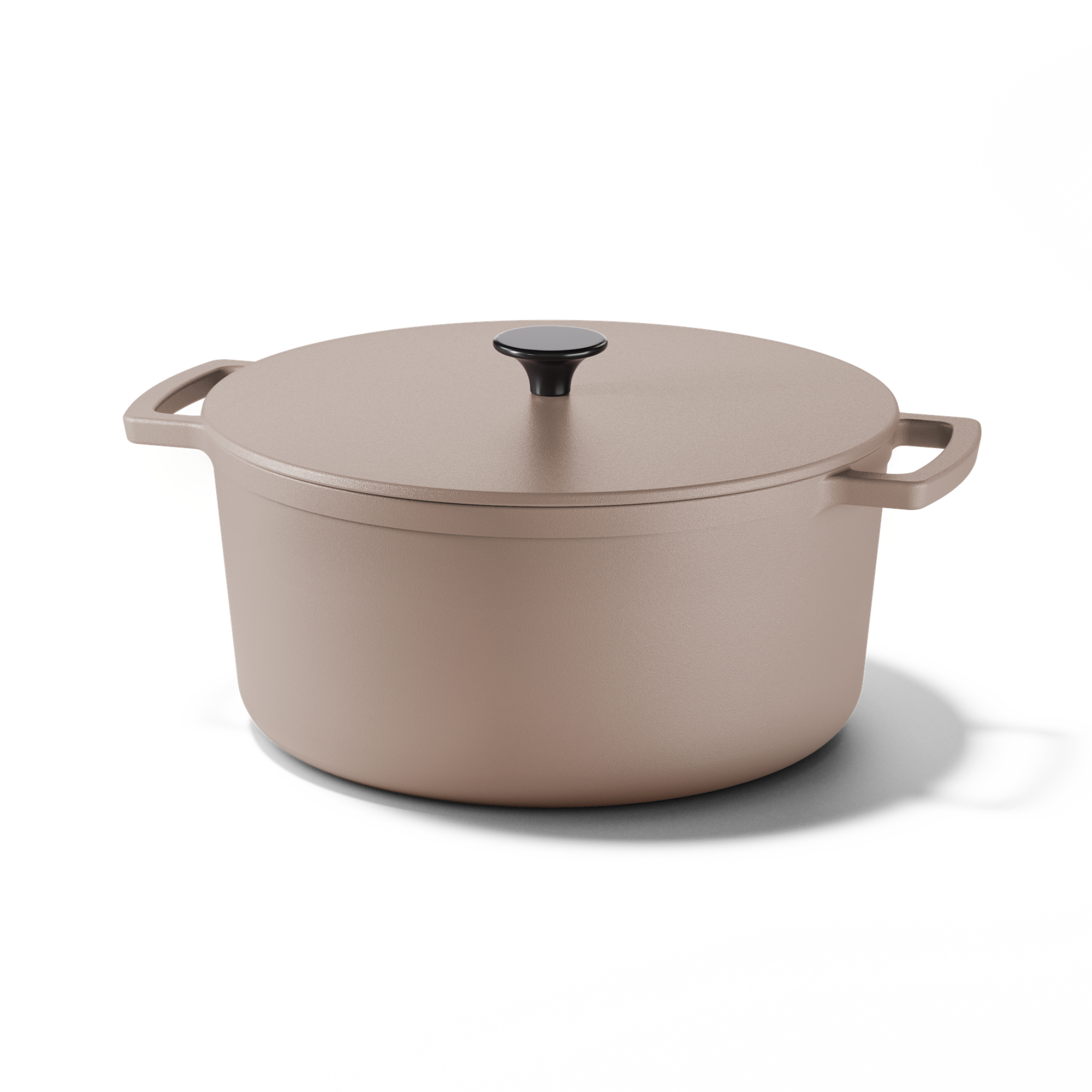
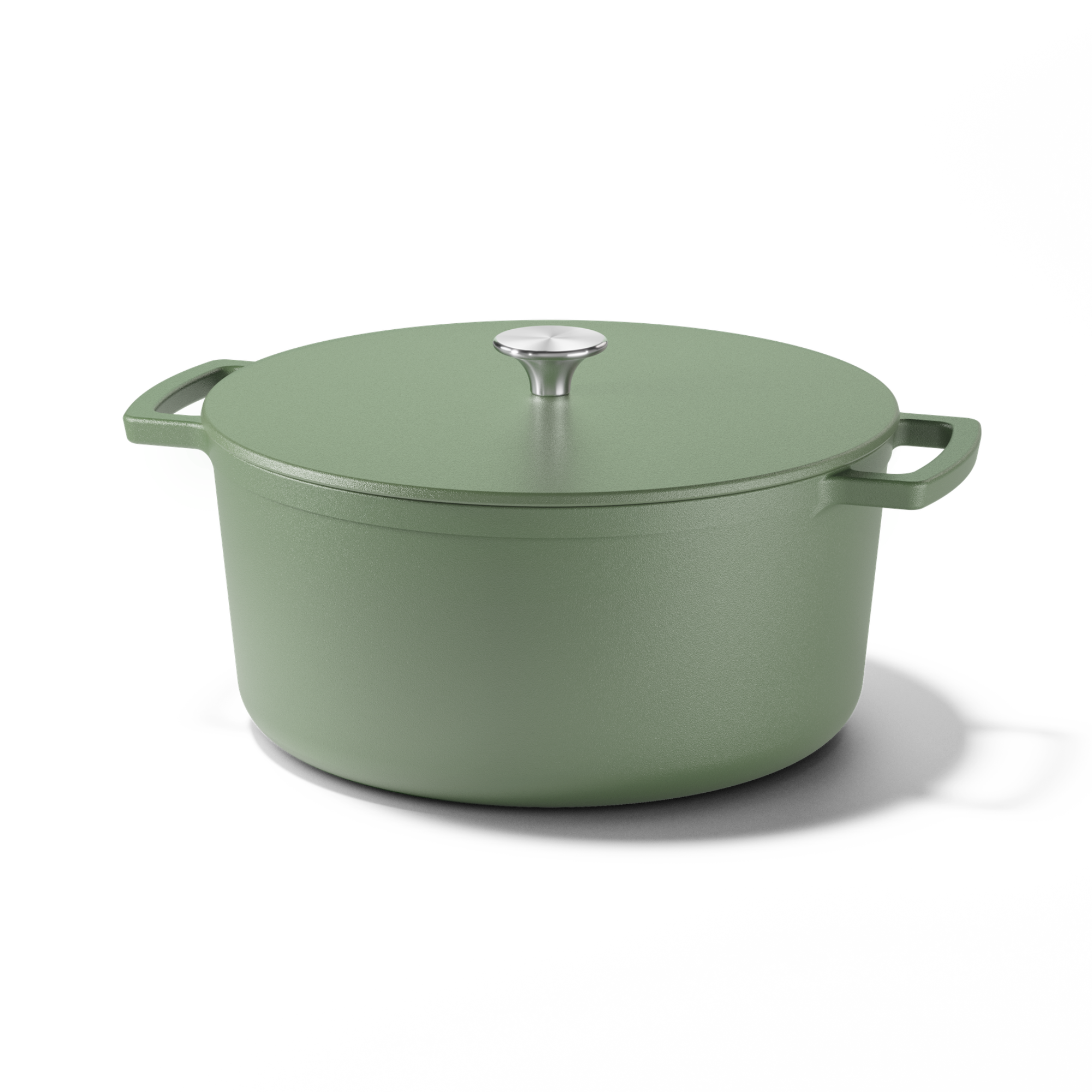
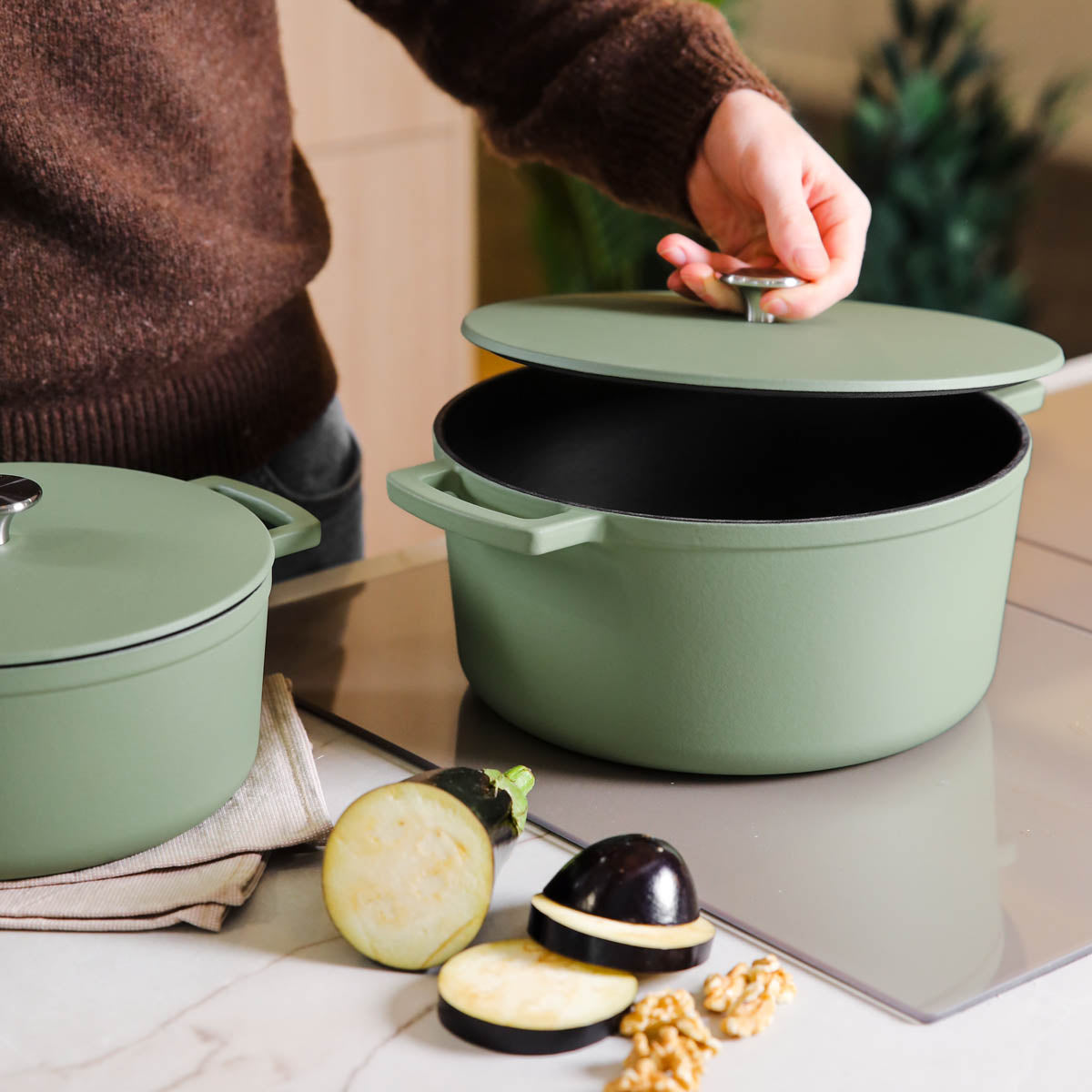
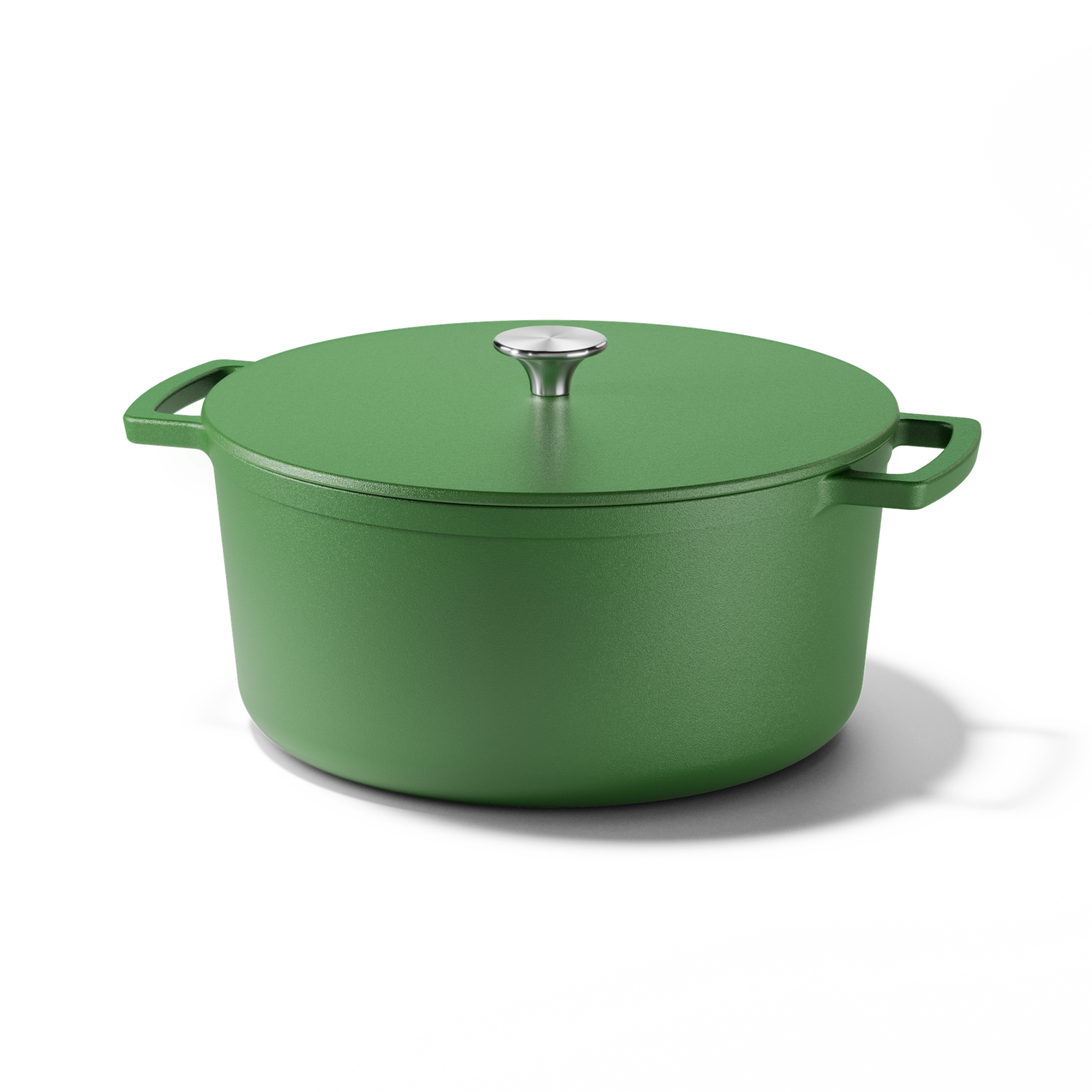
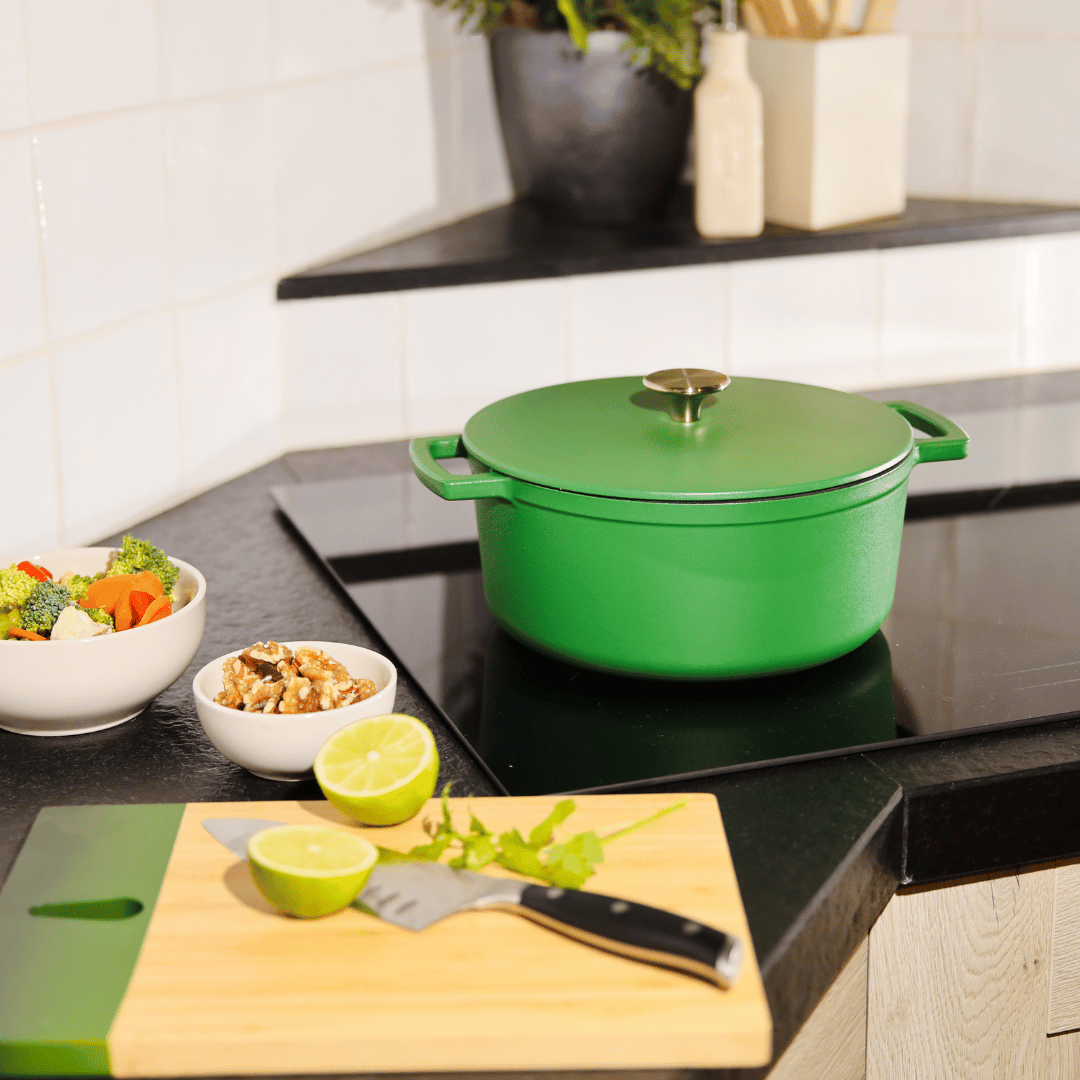
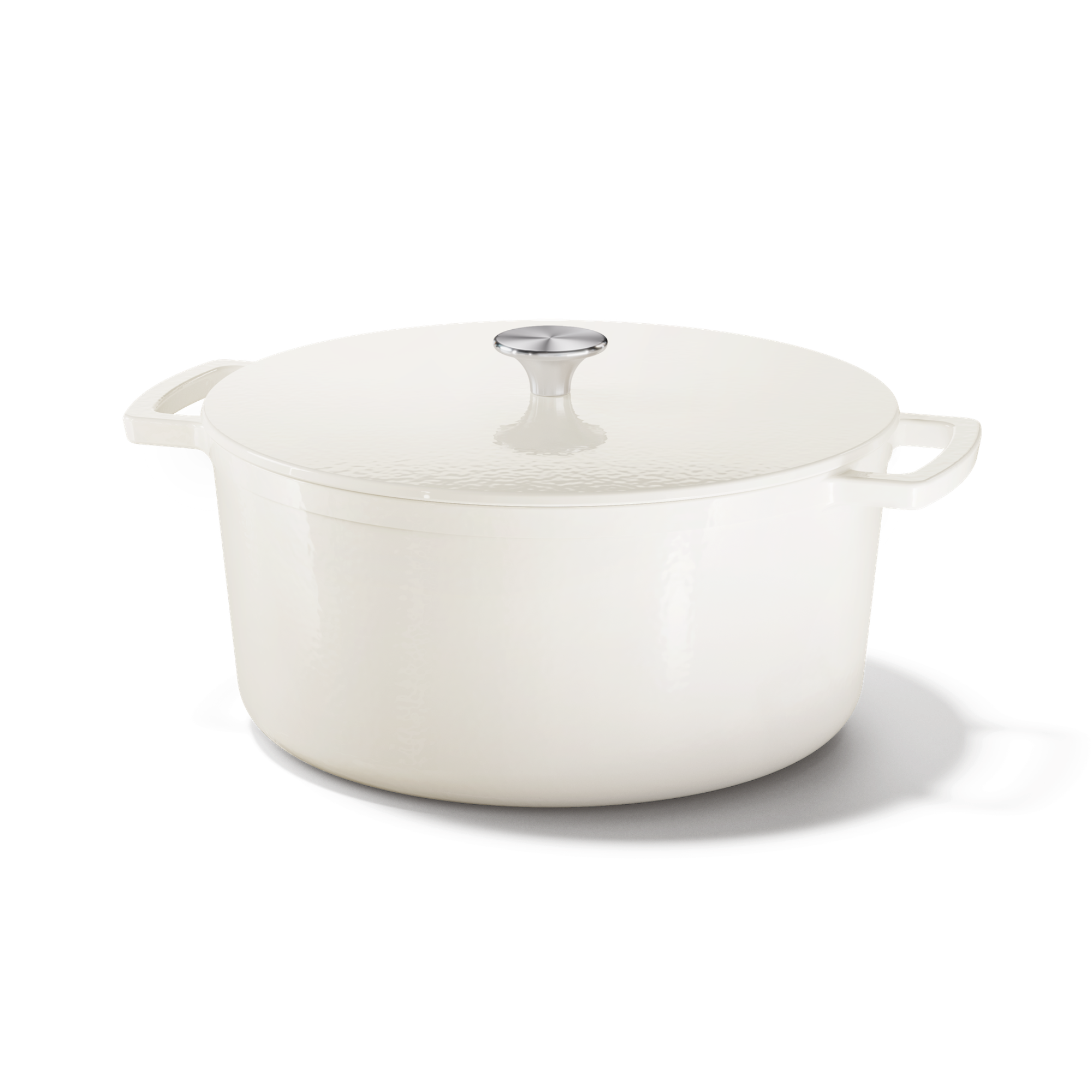
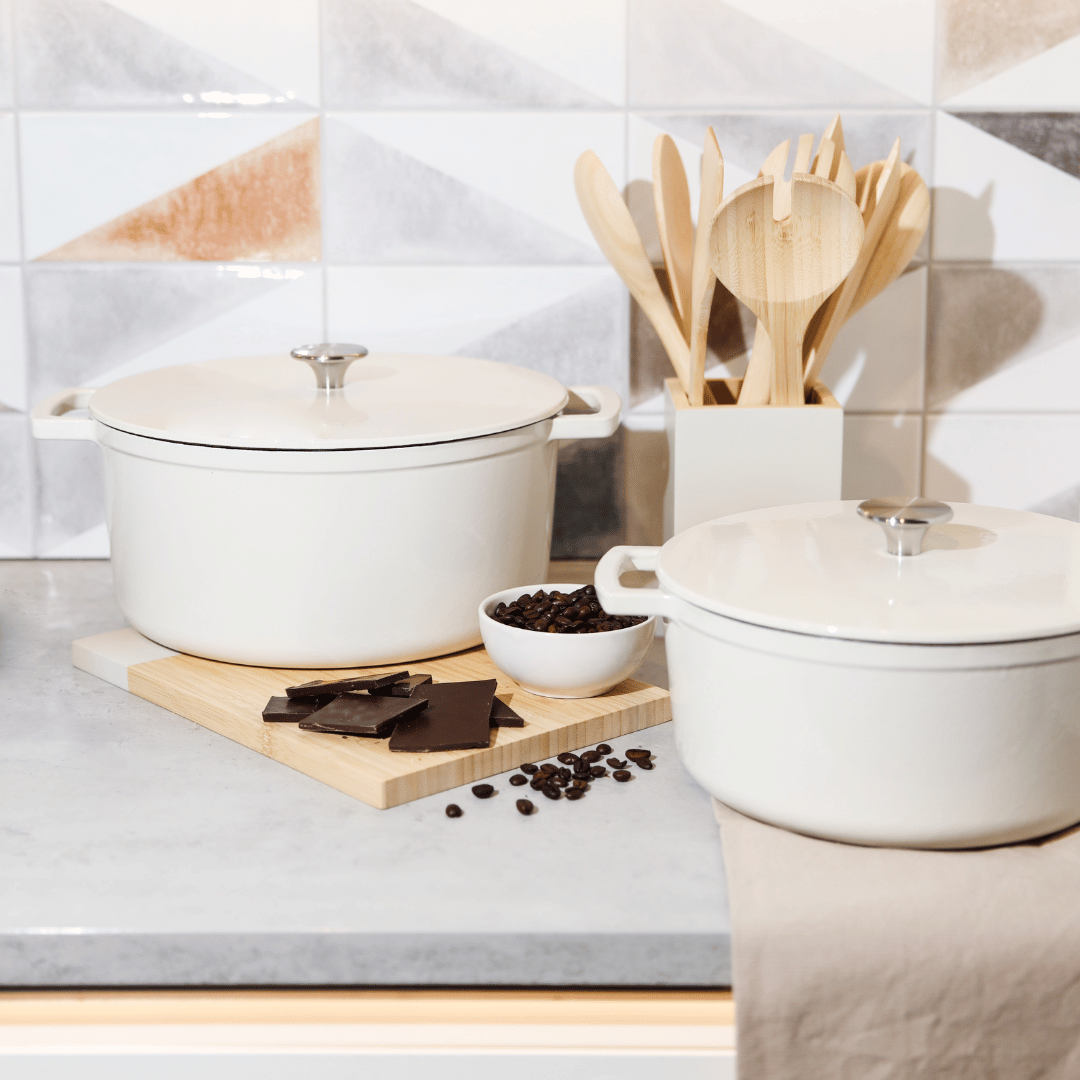
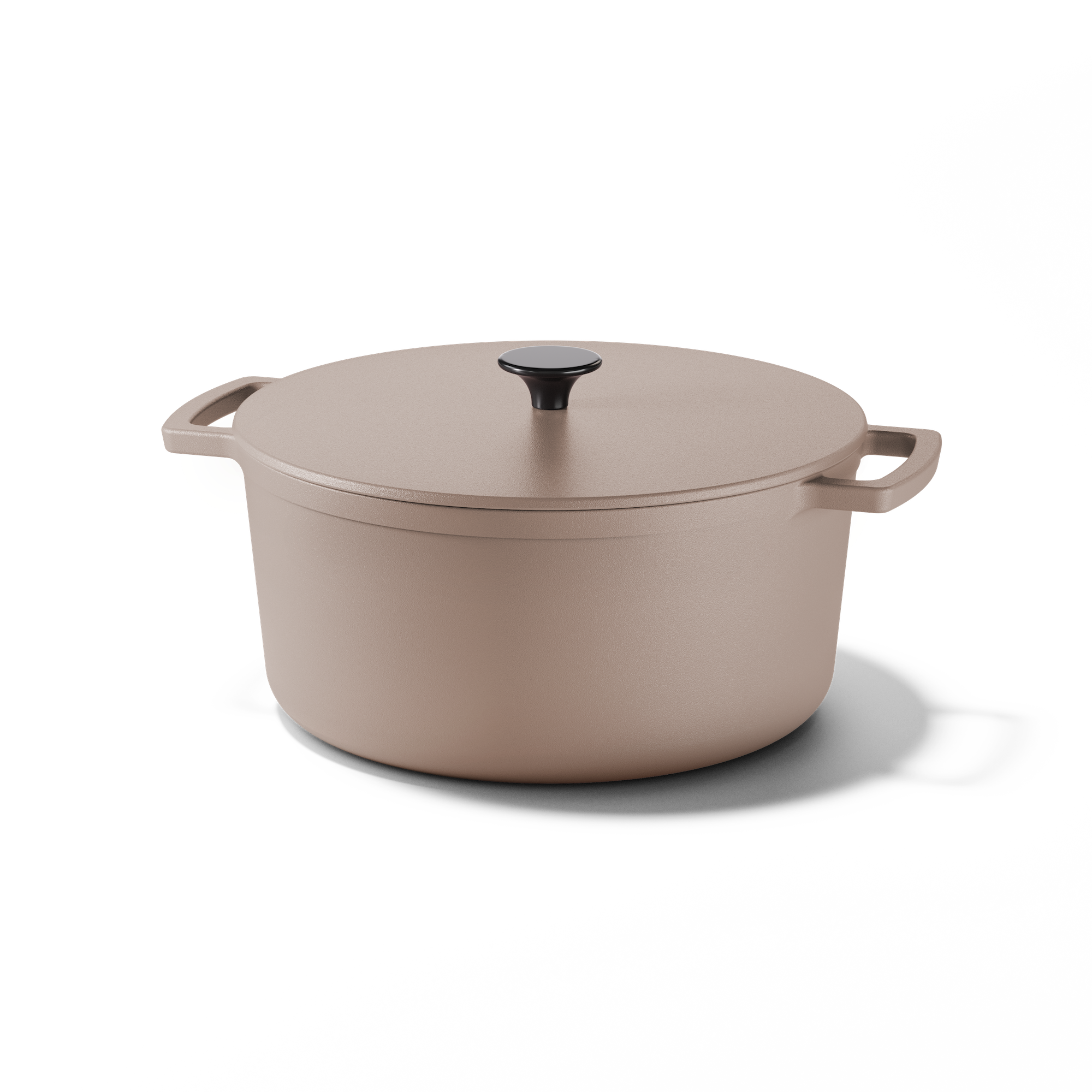
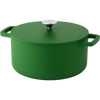
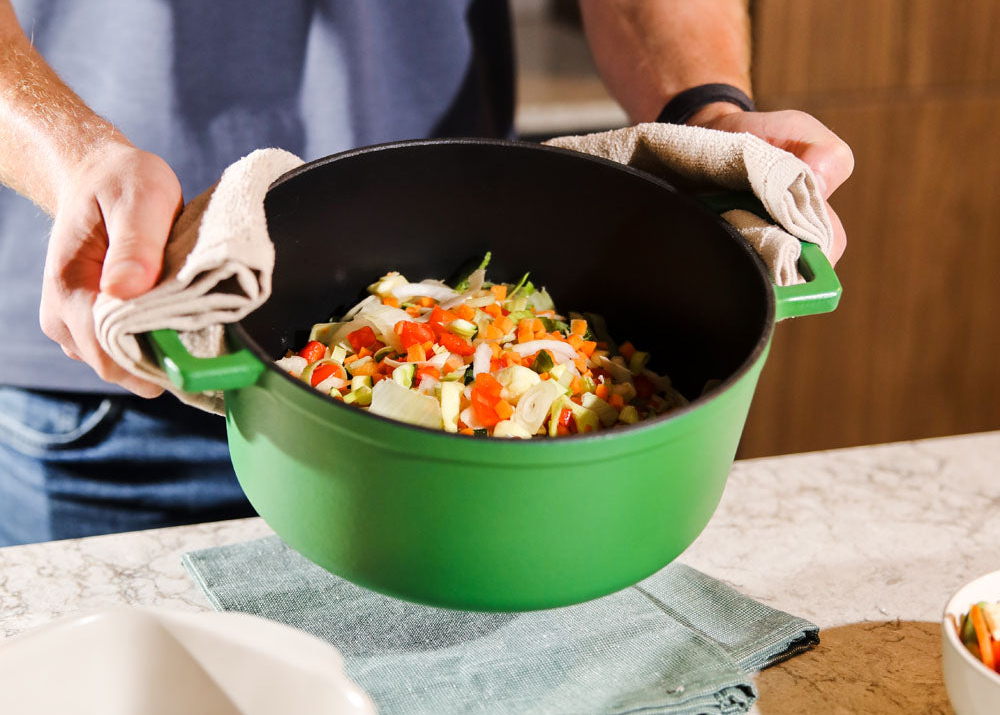
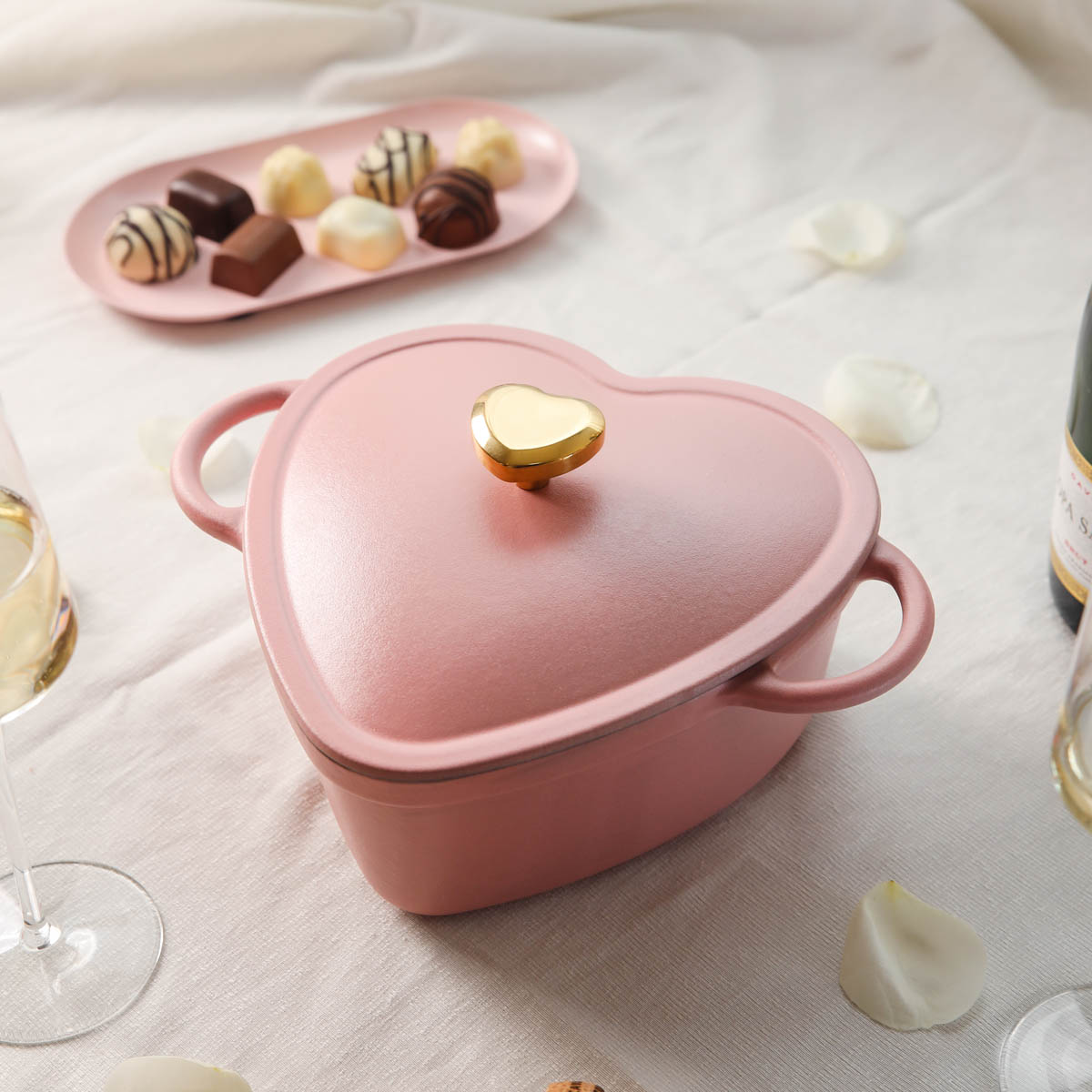
Our favorite: the dutch oven
Trust us: the dutch oven is an absolute hero for New Year’s Eve. It’s heavy, stable and keeps the oil at temperature like it’s nothing. Your doughnuts get a crispy outside, stay airy inside and look like they just came from the stall. Only without the queue or windy plastic bag.

Pan panic? Avoid these mistakes
To save you from doughnut misery, here are the top four mistakes:
- Too many doughnuts at once → oil cools down, you get soggy bites
- Too small pan → you’re busy forever and spill oil every turn
- No thermometer → guessing is cooking blindfolded
- Pan with non-stick coating → can’t handle the heat, waste of your pan
Play it safe. One good pan, one full scoop, one perfect result.
Craving that New Year’s Eve smell?
The smell of warm oil and raisins, the sizzle of the batter in the pan – that’s nostalgia in its purest form. And you don’t have to pull out a deep fryer for it. Just a solid pan, good quality oil and a bit of courage.
Aluminum Cooking Pots: A Good Alternative for Your Doughnuts
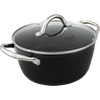
Although the dutch oven is our absolute favorite for frying doughnuts, aluminum cooking pots are a good alternative when you’re looking for something lightweight and easy to use. Aluminum cooking pots heat up quickly and retain heat well, keeping your oil at the right temperature for longer. This makes them ideal for smaller batches of doughnuts or when you need a lighter pan.
They’re not as heavy and stable as dutch ovens, but thanks to even heat distribution you can still fry delicious crispy doughnuts without worrying about the oil cooling down too fast. If you don’t have a dutch oven, an aluminum cooking pot is definitely a practical choice for making doughnuts. But for the very best result, we still recommend the dutch oven, which keeps the oil at temperature best for perfect doughnuts.

Checklist: what you really need
- A deep, sturdy pan – like a dutch oven
- Sunflower or peanut oil – neutral and heat resistant
- Thermometer – ideal, but if needed test with a piece of bread
- Spoon or ice cream scoop – for nice round doughnuts
- Kitchen paper – for draining afterwards
Ready to fry?
Don’t want soggy doughnuts? Then you know what to do. Invest in a pan that can handle it and you’ll never go back to that stale supermarket version. Check out our casserole pots and just fry them yourself this year. Crispy, golden brown and 100 percent homemade.
💡 Please note: we love cooking with boldness, but safety always comes first. Read more on our disclaimer page.