


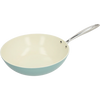

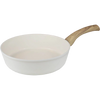

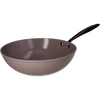

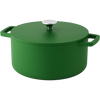

















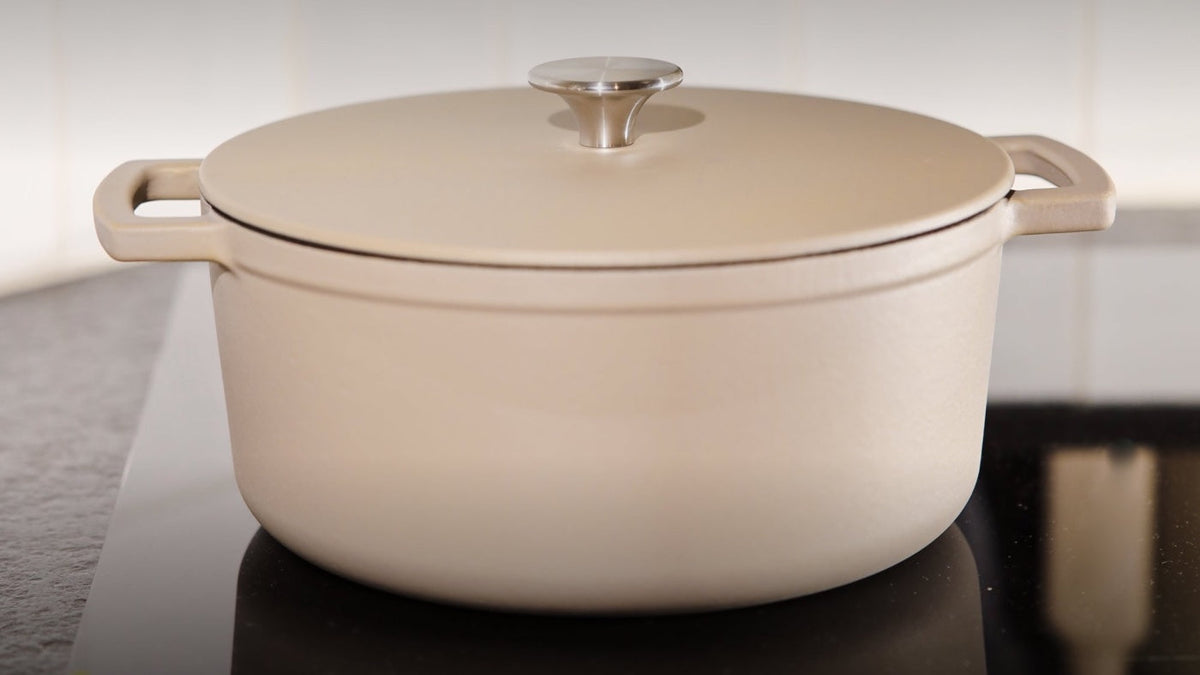
A stew that bubbles away gently all Sunday afternoon. A piece of meat that gets a lovely crust first and then finishes cooking in the oven. That's exactly what a casserole pot is for. If you cook on induction, you'll want to be sure it really works well on your hob. Because not every casserole pot and induction hob are instant best friends. Here's what to look out for in a casserole pot for induction: from the base and size to weight, lid and material. Already know what you're after? Then head straight to our collection of casserole pots for induction.

What should you look out for in a casserole pot for induction?
No time to read it all? Fair enough. These are the points that make the difference when you choose a casserole pot for your induction hob:
- A magnetic base. Without magnetism, nothing happens on induction.
- A flat, thick base. It spreads the heat and stays flat.
- The material. Cast iron holds heat, aluminium with a ceramic coating is lighter.
- The size. Choose a diameter that suits your cooking zone and the number of people you feed.
- The weight. You won't lift a full cast iron dutch oven with one hand.
- The lid. Heavy and well fitting, so the moisture stays in the pot.
- The handles. Big enough to grab with oven gloves on.
- Oven-safe. So you can go from hob to oven without transferring anything.
Below, we go through them one by one.
Does every casserole pot work on induction?
No. An induction hob creates a magnetic field, and that field heats the base of your pot itself. So the hob doesn't get hot, the pot does. For that, the base has to be magnetic. Cast iron is naturally magnetic. Aluminium isn't, which is why a good aluminium pot for induction has a steel plate pressed into its base.
Not sure about a pot you already have? Hold a magnet to the base. If it sticks firmly, you're usually fine. Pot not working even though the packaging says induction? It's often down to the diameter or your hob. In that case, read why a pan sometimes doesn't work on induction.
The base: flat, thick and magnetic
The base is the most important part of a casserole pot for induction. Induction only works well when the base sits flat on the glass. If the pot wobbles or the base bulges, you get less contact and so less heat. Sometimes you'll also hear a humming or ticking sound.
A thick base helps in two ways. It spreads the heat better, so your stew doesn't only catch in the middle. And it's less likely to warp if things get a bit too hot. With cast iron, that's sorted anyway: the whole pot is thick and heavy, so the heat stays nicely even.
Cast iron or ceramic: which material suits you?
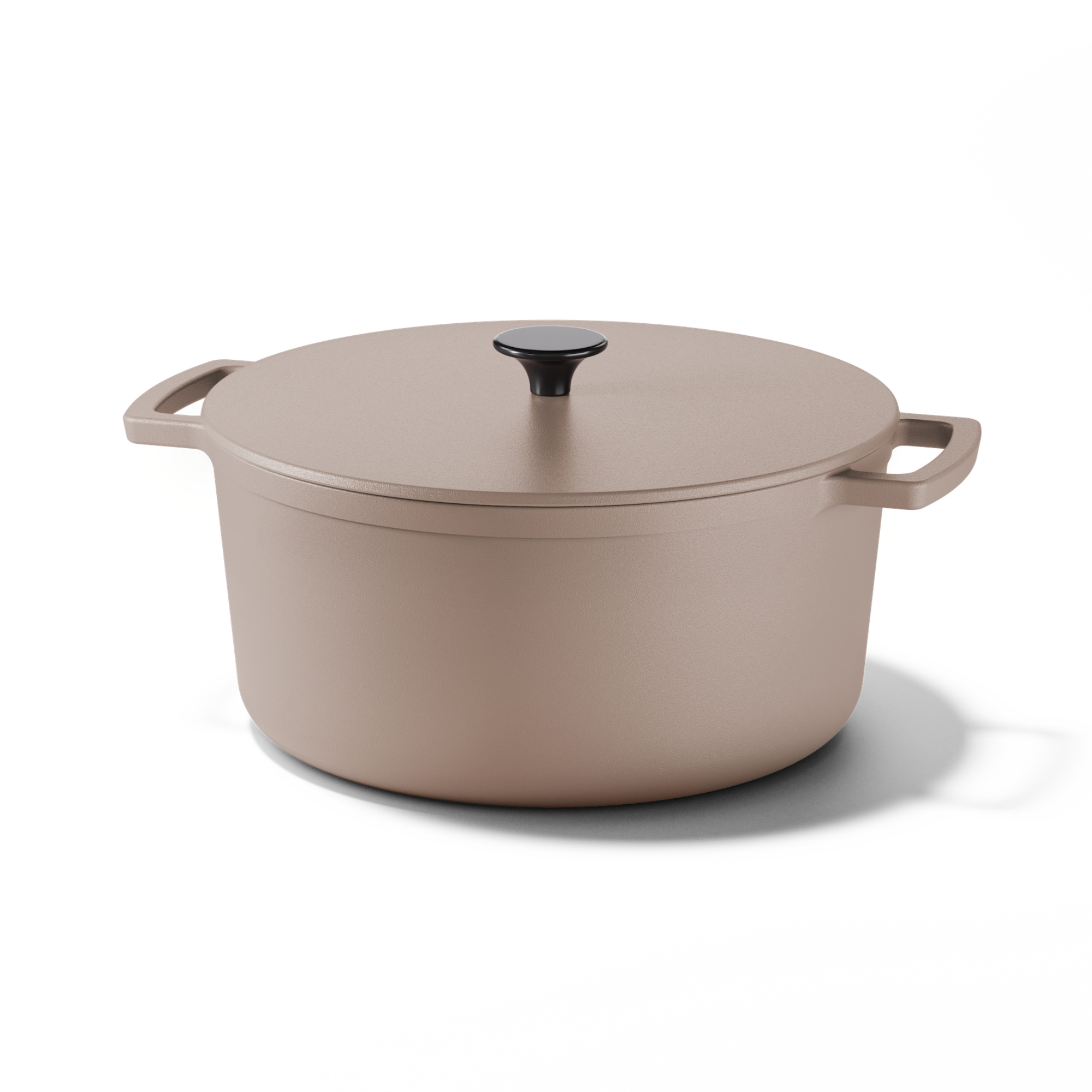
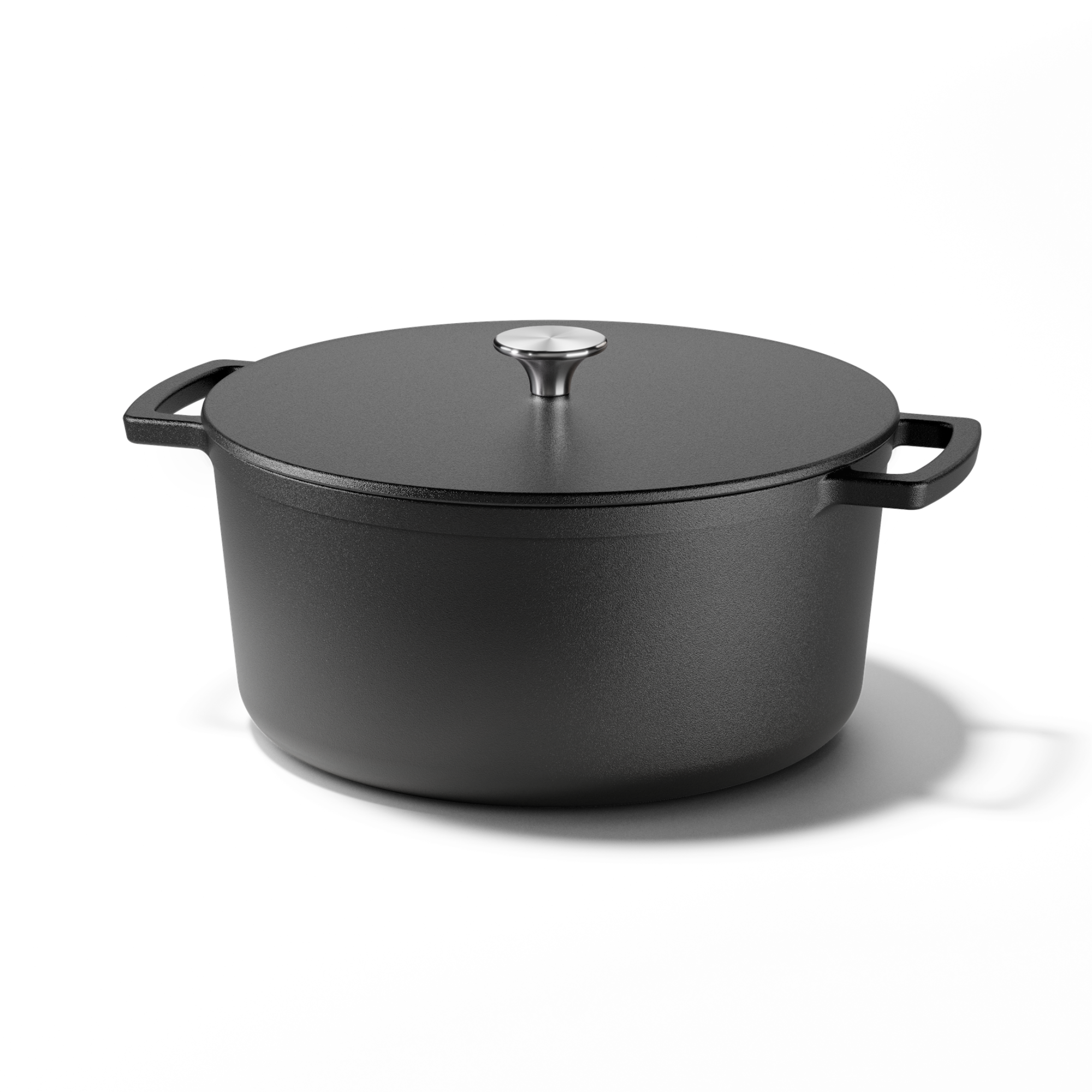
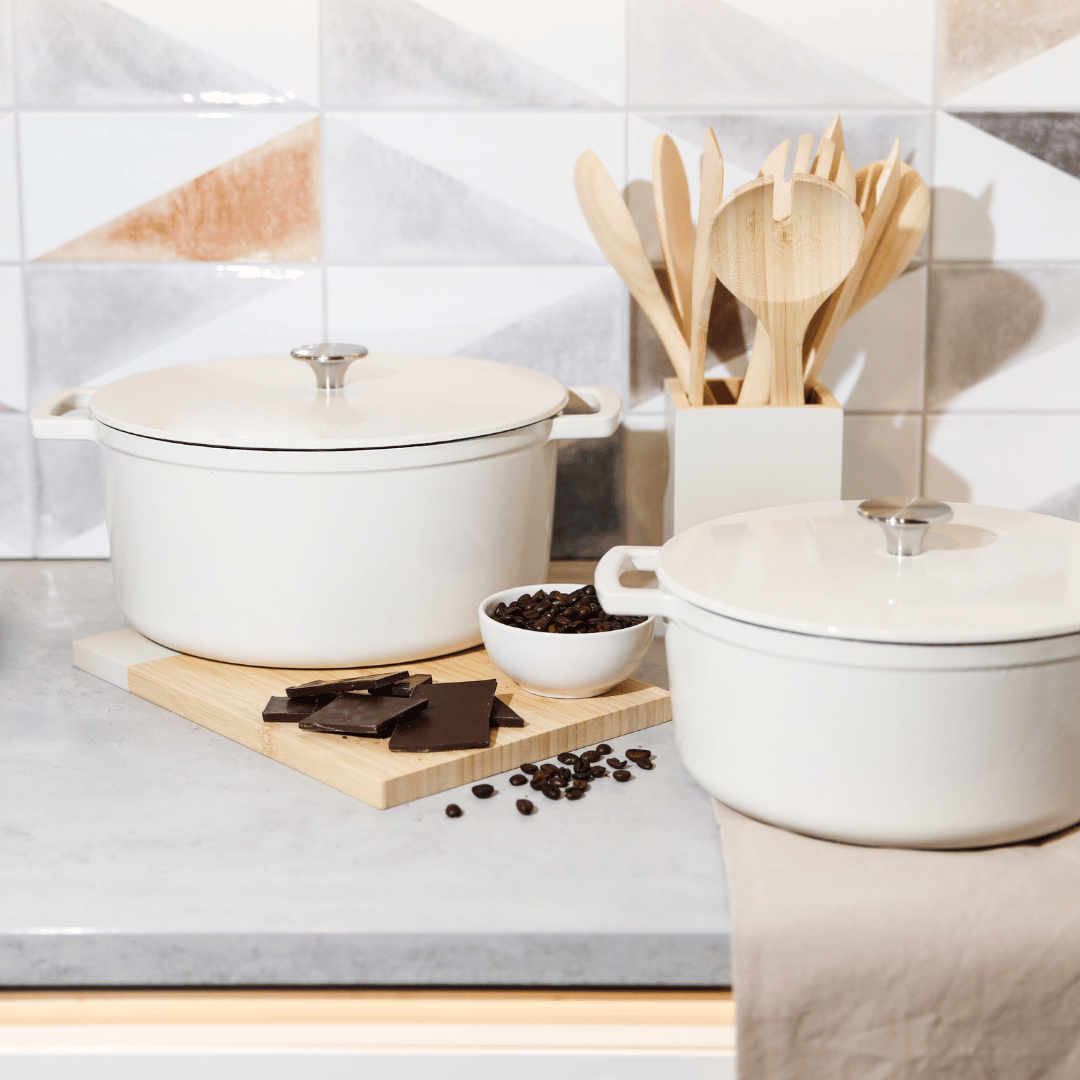
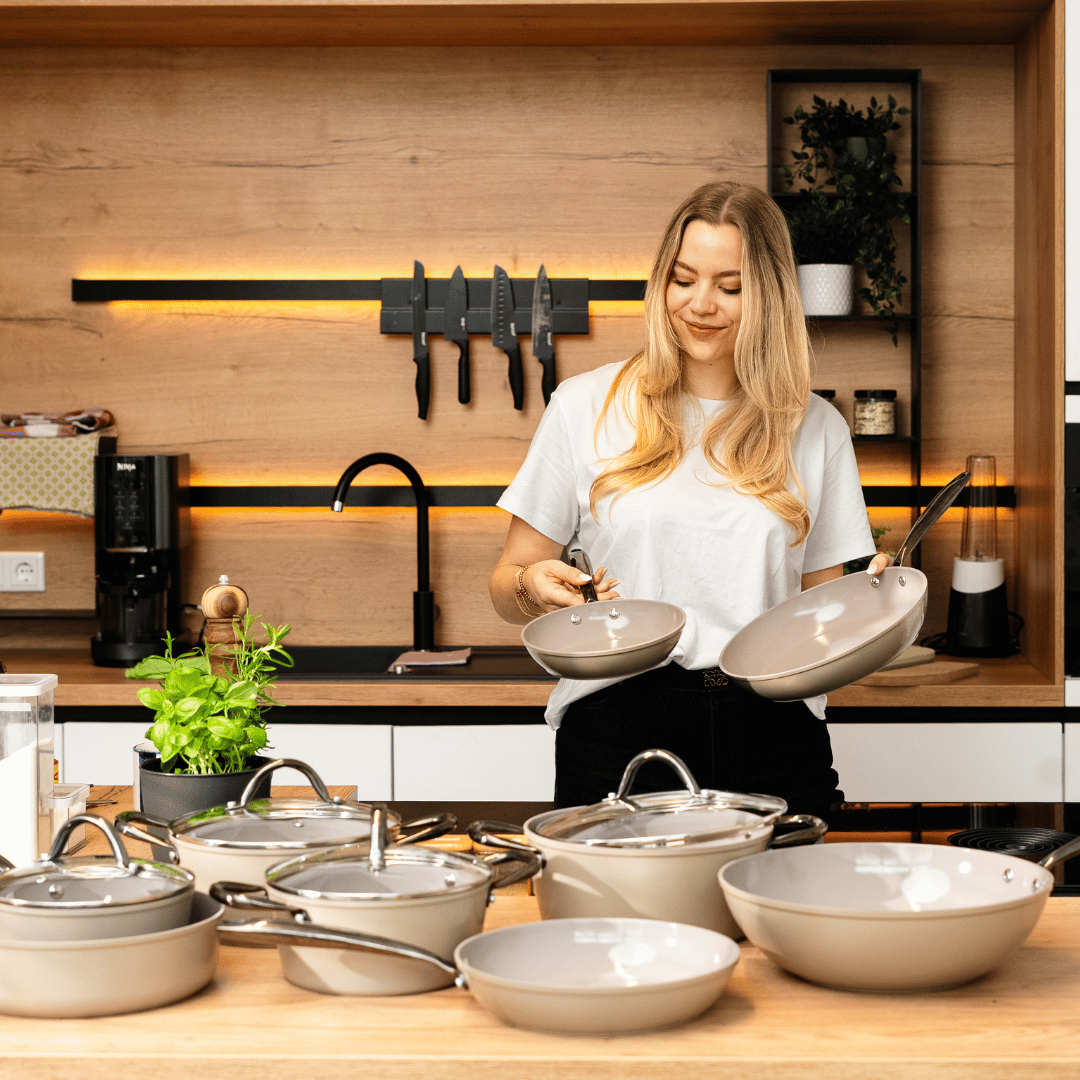
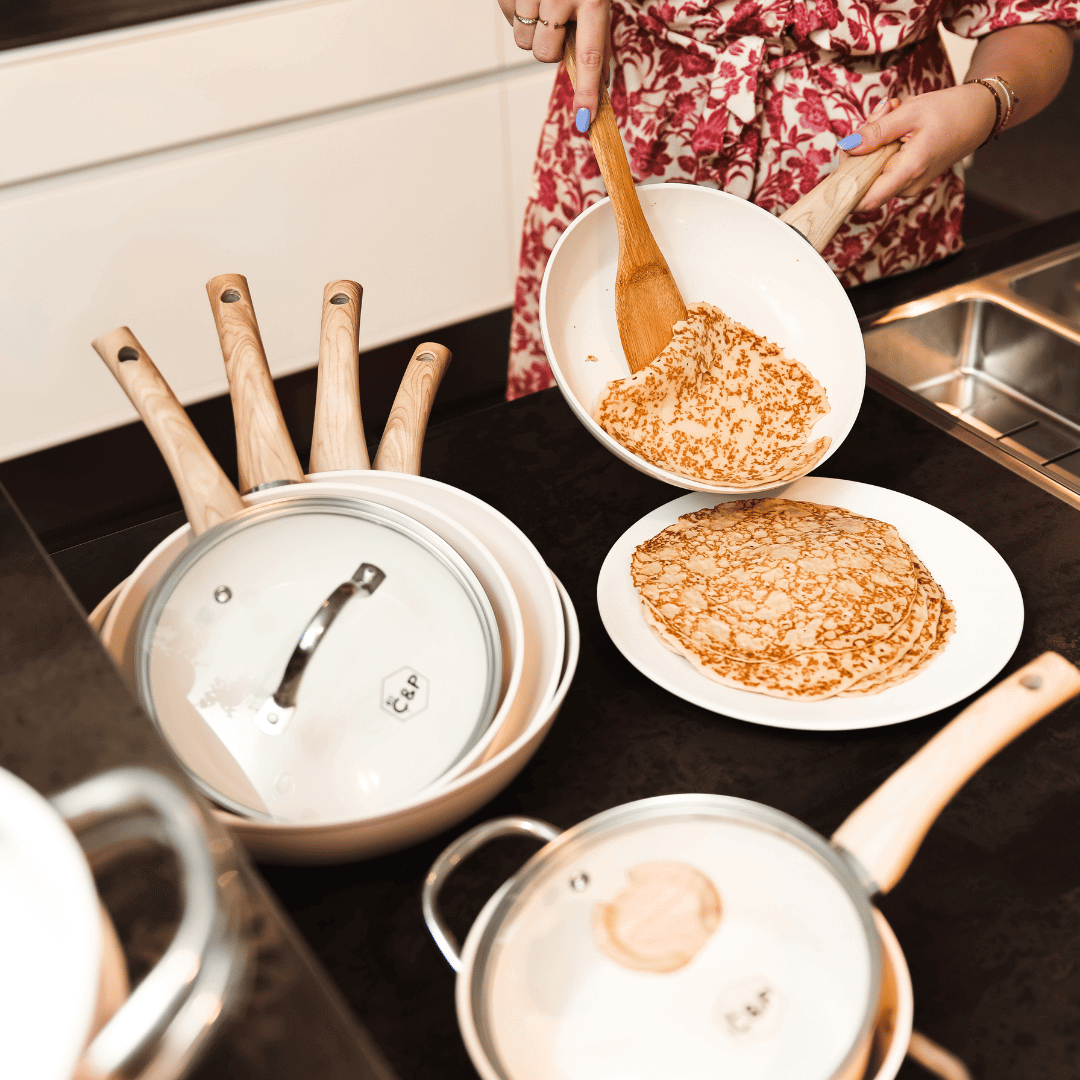
At Cook & Pan, the casserole pot comes in two flavours. Both work on induction, gas, electric and in the oven. The difference is in how they handle heat and how heavy they are.
Cast iron dutch oven
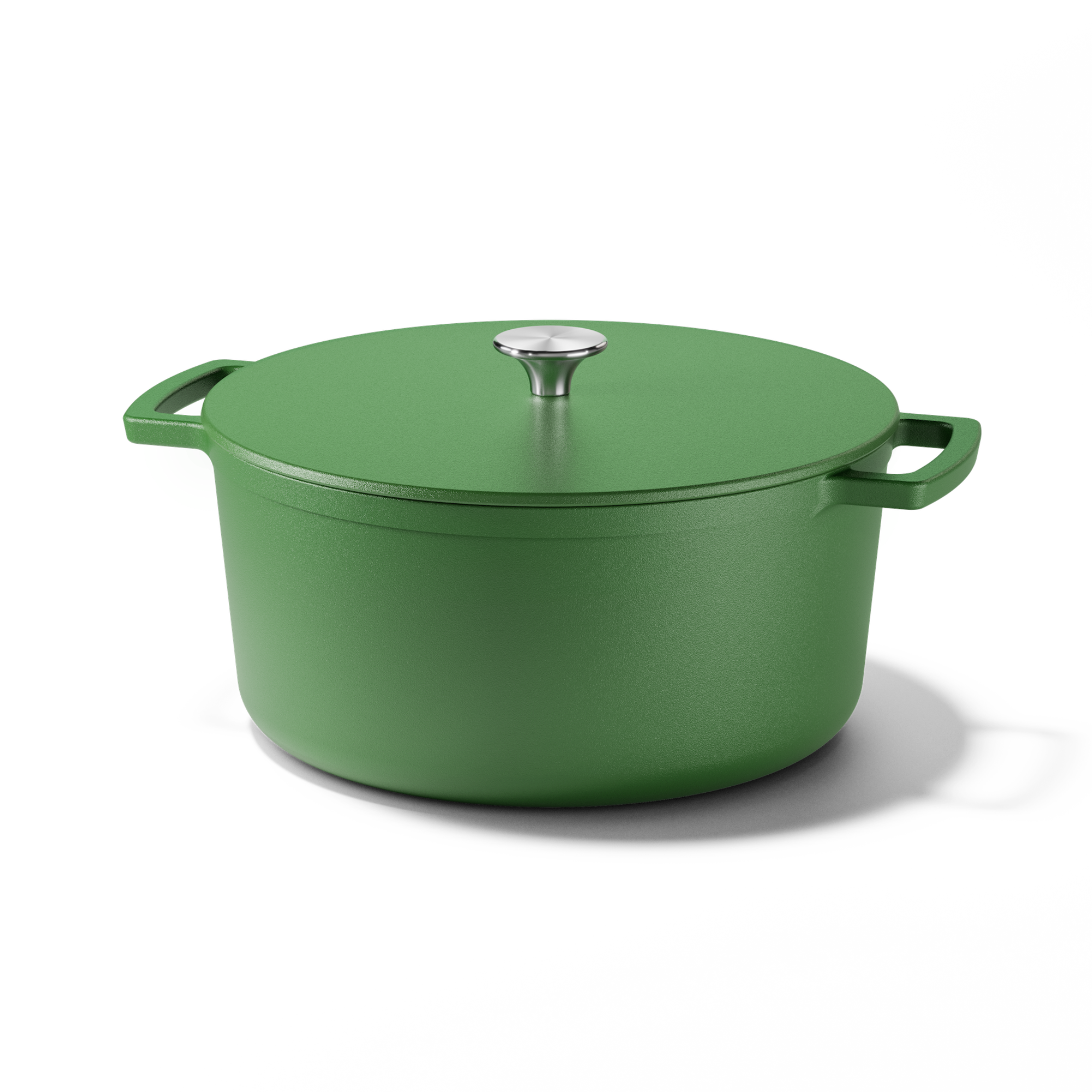
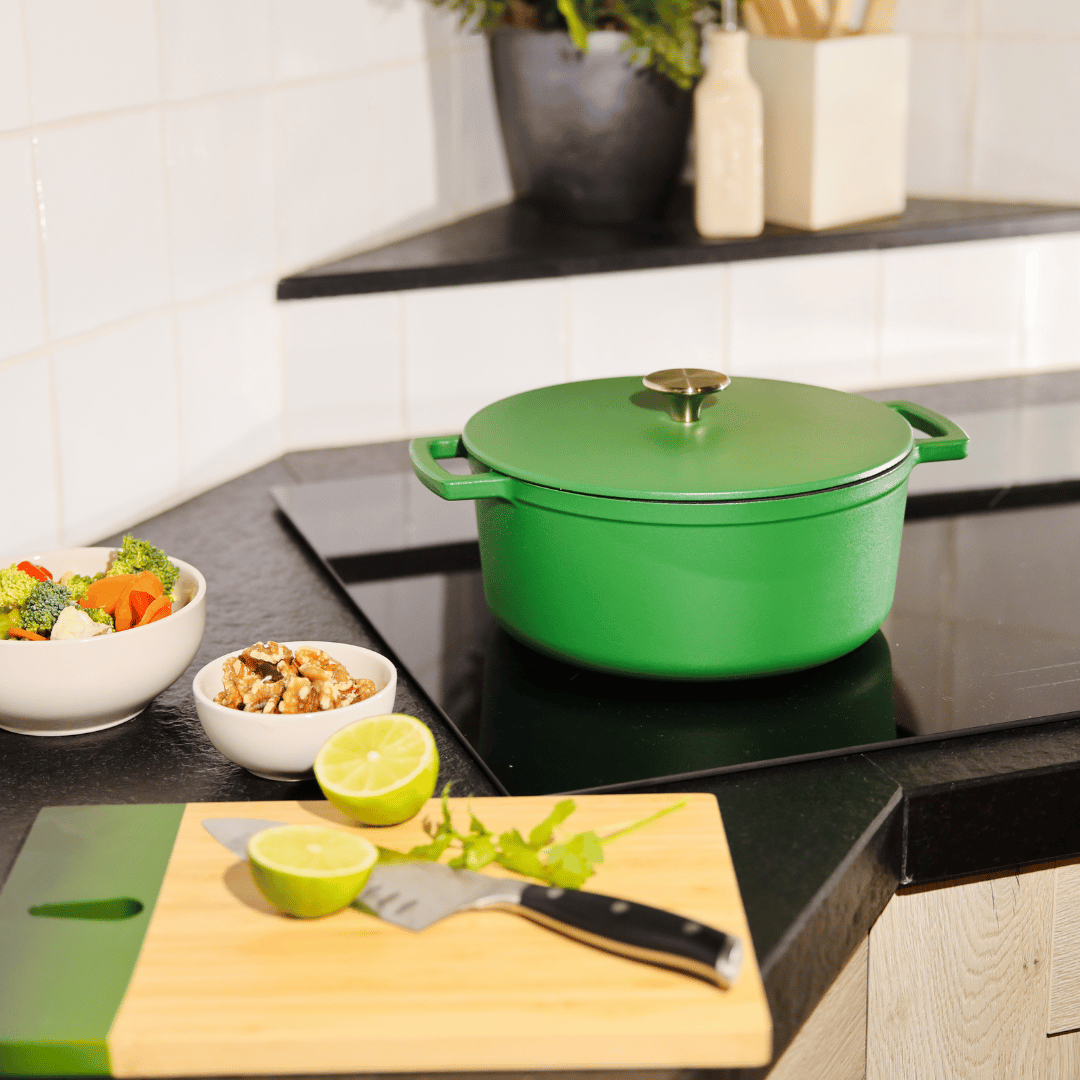
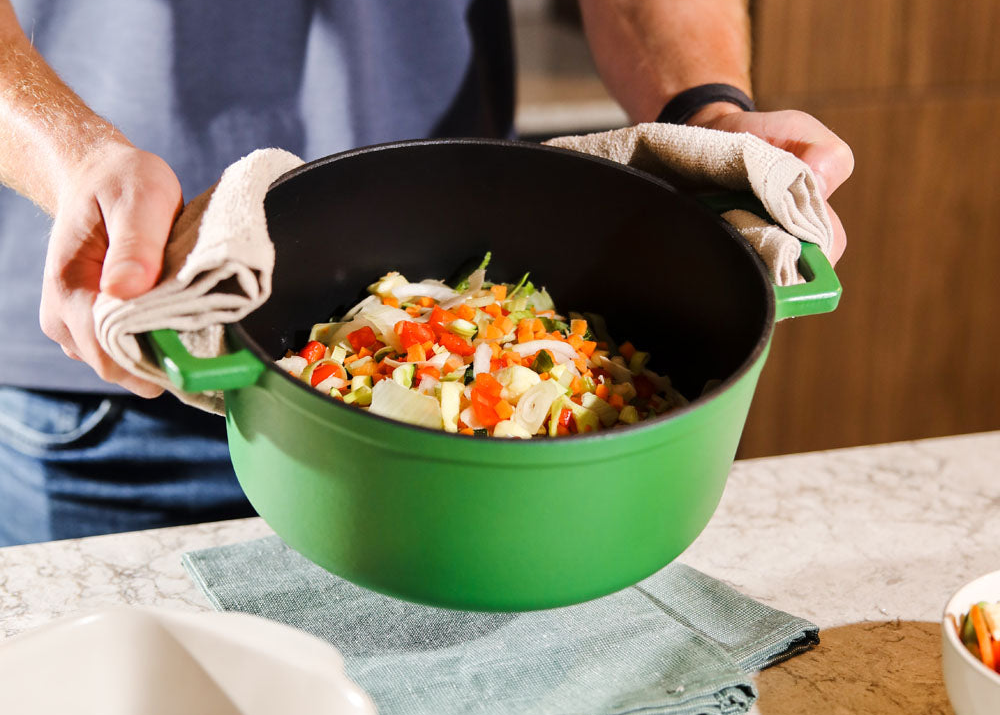
A cast iron dutch oven is the classic for stewing, simmering and braising. Cast iron is very magnetic, heats up steadily and then holds that heat for a long time. Perfect for dishes that sit on a low heat for hours. Our dutch ovens are enamelled, inside and out. That glassy layer means you don't have to season the pot and it's easy to clean. Curious how that works? Read what enamelled cast iron is. Bonus: we give a 25-year guarantee on it.
Aluminium cooking pot with a ceramic coating
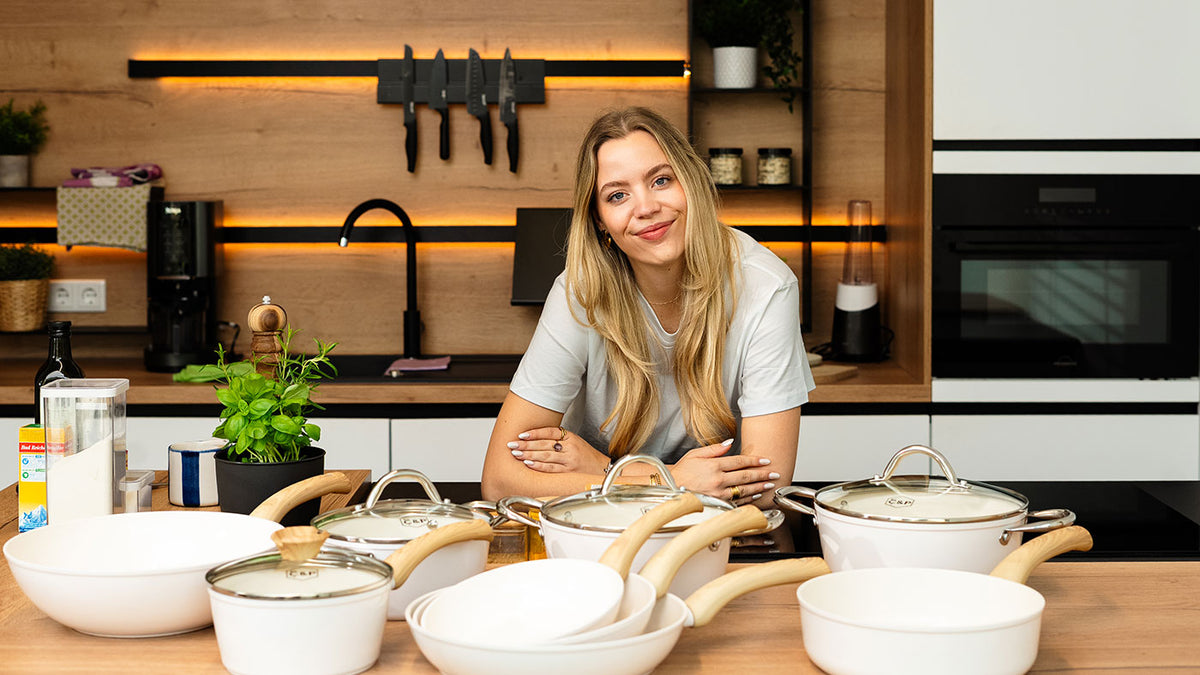
Prefer something lighter? An aluminium cooking pot with lid and a ceramic non-stick coating heats up faster and is much easier to lift. There's a steel plate in the base, so it works on induction as normal. Lovely for soup, pasta, rice or a quick midweek stew. You'll find them among our ceramic casserole pots.
In short: if you often cook long and slow, go for cast iron. If you mainly want quick and light, choose aluminium with a ceramic coating.
Can cast iron go on induction?
Yes, and very well too. Cast iron is one of the best materials for induction because it's so magnetic. There's just one thing to watch: cast iron heats up more slowly than aluminium and then holds the heat for a long time. So don't put it straight on the highest setting, let it warm up gently. You can read exactly how in can cast iron go on induction.
What size casserole pot do you need?
A casserole pot that's too small is frustrating, one that's too big wastes your cooking zone and your cupboard space. Look at two things: how many people you cook for and how big your cooking zone is. The base of the pot should cover the zone as well as possible. A pot that's much smaller than the zone sometimes isn't detected, a much bigger one gets less hot at the edges.
As a guide:
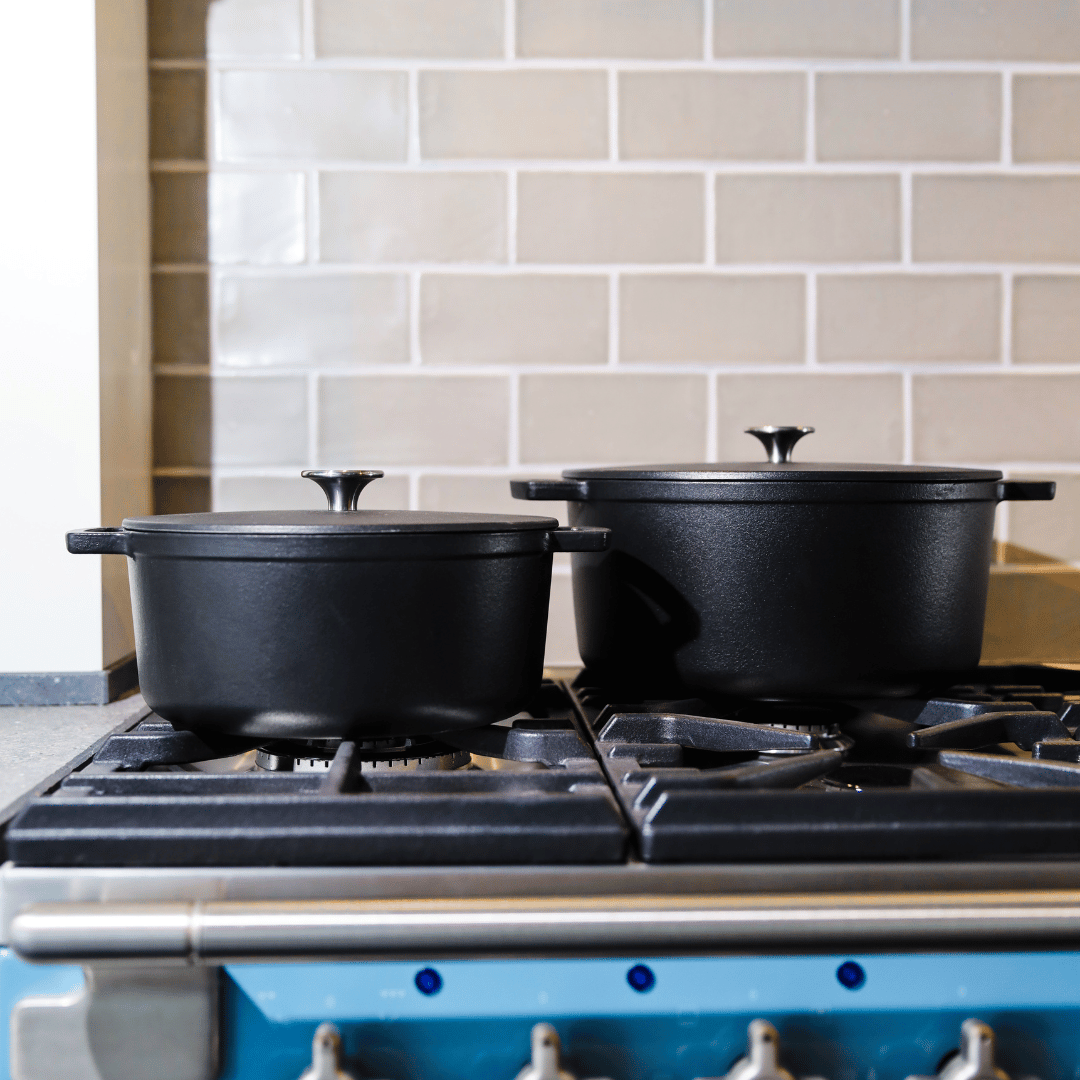
- 24 cm (4 litres): great for 2 to 4 people. Soup, risotto, a midweek stew. The base is around 22 cm, which fits most standard cooking zones.
- 28 cm (6.5 litres): for 4 to 6 people, or if you like making a double batch for the freezer. Ideal for a beef stew, pulled pork or a whole chicken.
- Both? Why not. A set of a 24 and a 28 cm dutch oven covers pretty much every situation.
How heavy should a casserole pot be?
Let's be honest: cast iron is heavy. A 24 cm cast iron dutch oven weighs about 4 kilos, the 28 cm about 6 kilos. Empty. Fill it with a stew and you're quickly a few kilos further. That weight is exactly why it works so well: lots of mass holds lots of heat.
Rather not lift heavy, or do you keep the pot on a high shelf? Then a lighter aluminium cooking pot with a ceramic coating might be handier. It's not a competition, it's about what suits your kitchen.
The lid: heavy and well fitting
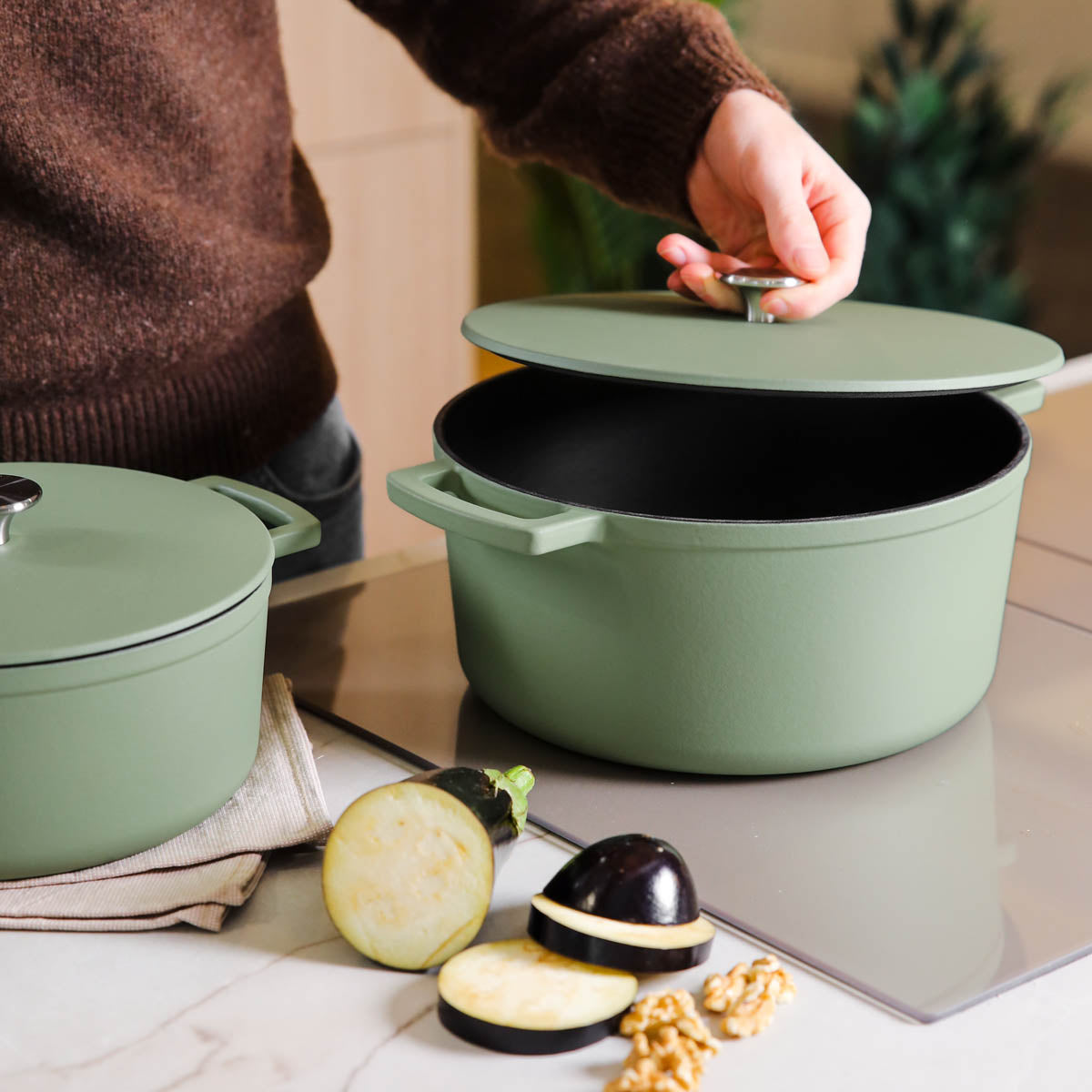
On a casserole pot, the lid does more than you'd think. A heavy lid that fits well keeps the moisture in the pot. That stops your stew from drying out and keeps meat tender. Our dutch ovens have a self-basting lid: the steam condenses on the inside and drips back into your dish. So you need to top up less often.
Small thing to know: the knob on the lid gets warm during long stewing. So grab it with an oven glove.
Handles you can still grab with oven gloves
You often lift a casserole pot when it's full and hot, and often with oven gloves on. So look for two sturdy side handles that are big enough for your hands, gloves included. Long handles are actually awkward on a casserole pot, they won't fit in the oven.
From hob to oven
The best thing about a casserole pot: you start on the hob and finish in the oven. Sear the meat and soften the veg first, lid on, into the oven and forget about it for a few hours. All Cook & Pan pots and pans are oven-safe. Cast iron can even go on the barbecue.
How to use a casserole pot on induction
Induction is fast. Sometimes a little too fast. With these tips your casserole pot stays beautiful and your food tasty:
- Use no more than 80% of the power. With cast iron, keep it at 70 to 80%. Higher isn't needed, the pot holds the heat anyway.
- Never use the boost function. It pushes so much energy into the base in a few seconds that a pan can warp.
- Heat up gradually. Start low and turn it up after a few minutes. Preheat cast iron gently for 2 to 3 minutes.
- Never put an empty pot on the highest setting. Add a little oil, butter or your ingredients first.
- Choose the right cooking zone. Put the pot on a zone that's roughly the same size as its base.
- Let the pot cool before you wash it. A hot pot under the cold tap is asking for trouble.
Want to know what happens if you don't? Read how to stop your pan warping on induction.
Induction cooking pots or a casserole pot: what's the difference?
A casserole pot is really a heavy cooking pot with a thick base, two handles and a sturdy lid. A regular cooking pot is lighter and made more for boiling: pasta, potatoes, veg. A casserole pot can do all that too, but it shines at braising, stewing and simmering. Don't have any pans for induction yet? Then first check which basics you need in the best cookware sets for induction, and add a casserole pot to them.
How to keep your casserole pot looking good
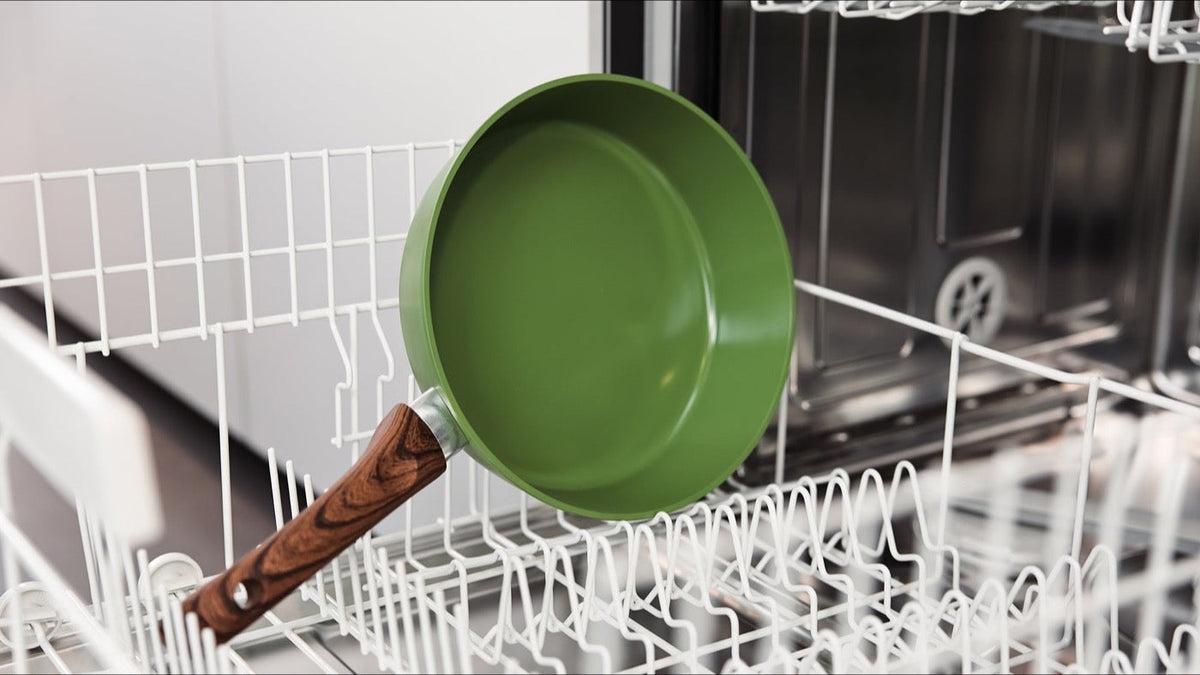
A good casserole pot lasts for years if you treat it kindly. Hand washing is always best, cast iron included: the dishwasher makes enamel dull over time. Dry the pot well straight after washing. The rim of a cast iron pot is bare cast iron, so rub it now and then with a drop of vegetable oil. Use wooden or silicone utensils rather than metal ones. More tips in how to take care of your cast iron pan.
[shortcode id="684812566b4a0dc8456acf41" name="gietijzer" layout="Grid"]
Why a casserole pot from Cook & Pan?
We won't beat around the bush: we simply think our casserole pots look great. But there's more to them than a nice colour.
- PFAS-free. No PFAS or PTFE in the coating, just food you can serve with peace of mind.
- 25-year guarantee on our cast iron dutch ovens, against manufacturing and material defects.
- Works on every heat source. Induction, gas, electric, oven and, for cast iron, even the barbecue.
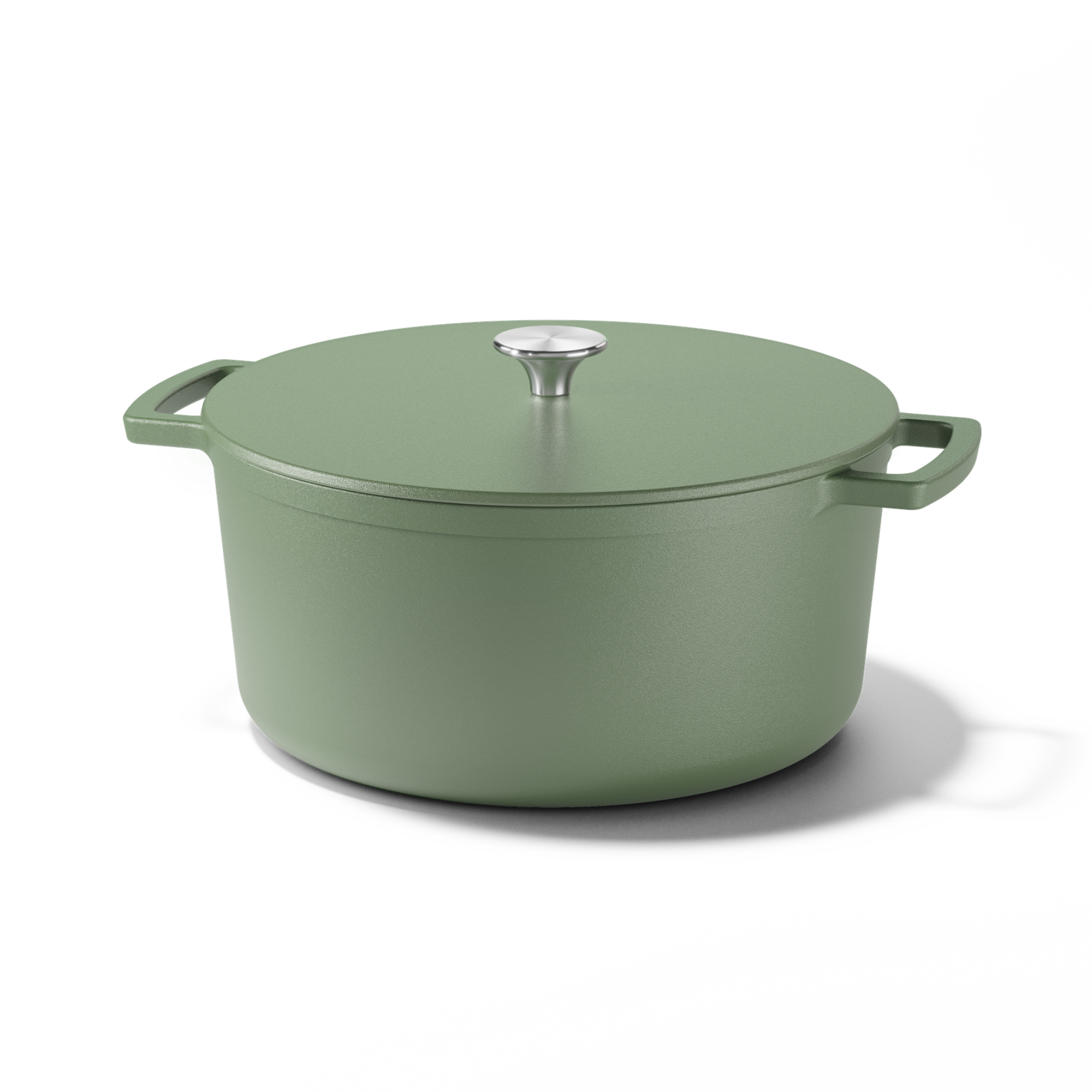
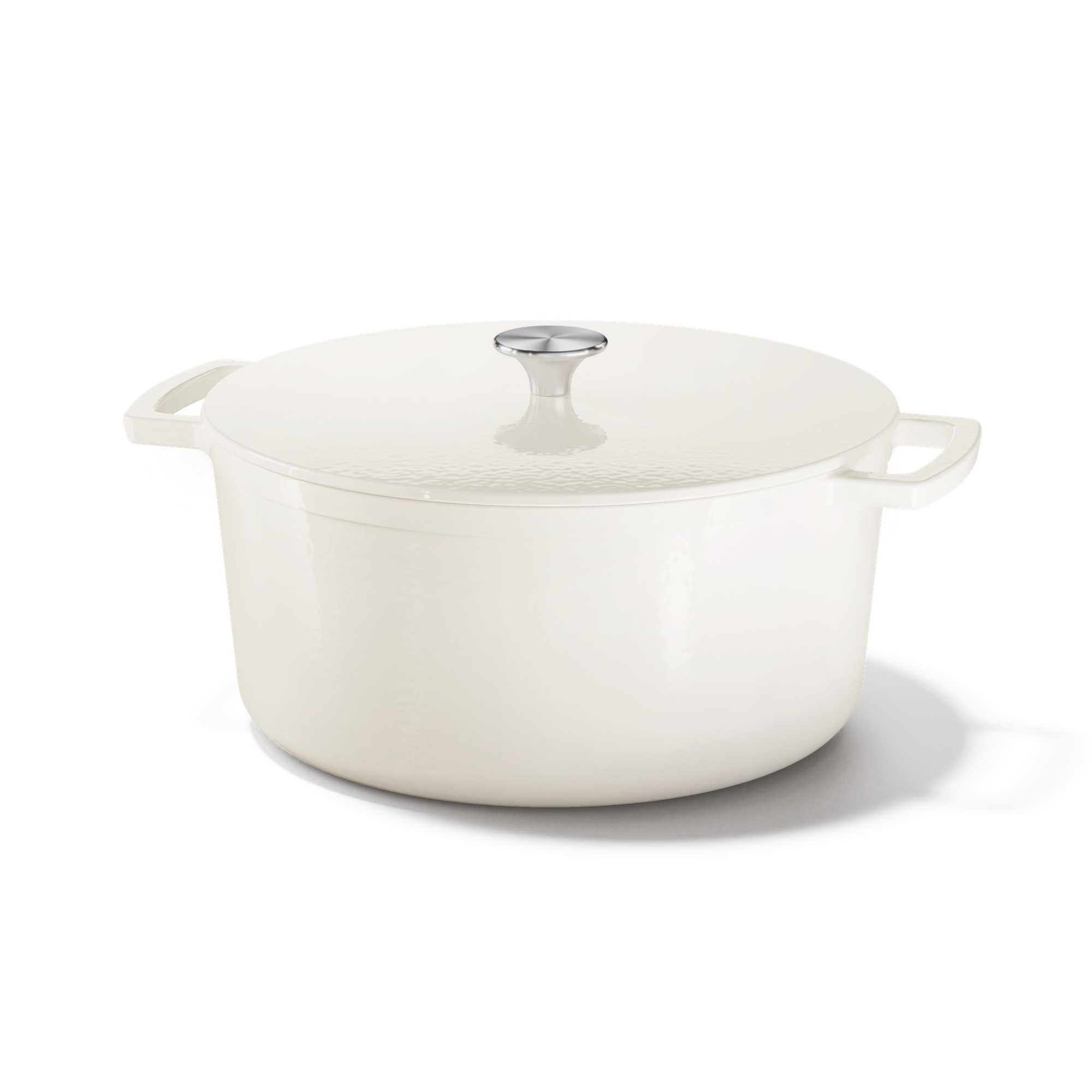
- Colours you won't want to hide in a cupboard. From green and cream to taupe and black.
- 60-day trial. Not right for you after all? Then send it back.
Frequently asked questions about casserole pots for induction
Which casserole pot is best for induction?
For long stewing and simmering, an enamelled cast iron dutch oven is the nicest: it's very magnetic, has a thick base and holds heat for a long time. If you want a lighter pot, aluminium with a ceramic coating and a steel induction plate in the base is a good choice.
Can an enamelled casserole pot go on induction?
Yes. Under the enamel is cast iron, and that's magnetic. The enamel itself doesn't get in the way of induction. Do put the pot down gently, so you don't damage the glass or the enamel.
What setting should I use for my cast iron dutch oven on induction?
Keep it at 70 to 80% of the power at most and never use the boost function. For stewing, a low setting after searing is usually plenty.
Can a casserole pot go in the oven?
All Cook & Pan pots and pans are oven-safe. Do use oven gloves, as the handles and the knob on the lid get hot.
Ready to get stewing?
A magnetic, flat base, the right size, a lid that fits well and a material that suits the way you cook. That's all there is to it. Made your choice? Then take a look at all our casserole pots for induction and pick the colour that suits your kitchen. We'll get the stew on.
💡 Please note: we love cooking with boldness, but safety always comes first. Read more on our disclaimer page.