





















All About the Enamel Non-Stick Coating
In the cooking world, the rise of modern materials has changed the way we cook. A notable coating among the selection of non-stick layers is the use of enamel. In this blog, we will highlight the features and benefits of an enamel non-stick coating, the material it is applied to, and how to best use and maintain it.
The Secret of Enamel Pots and Pans
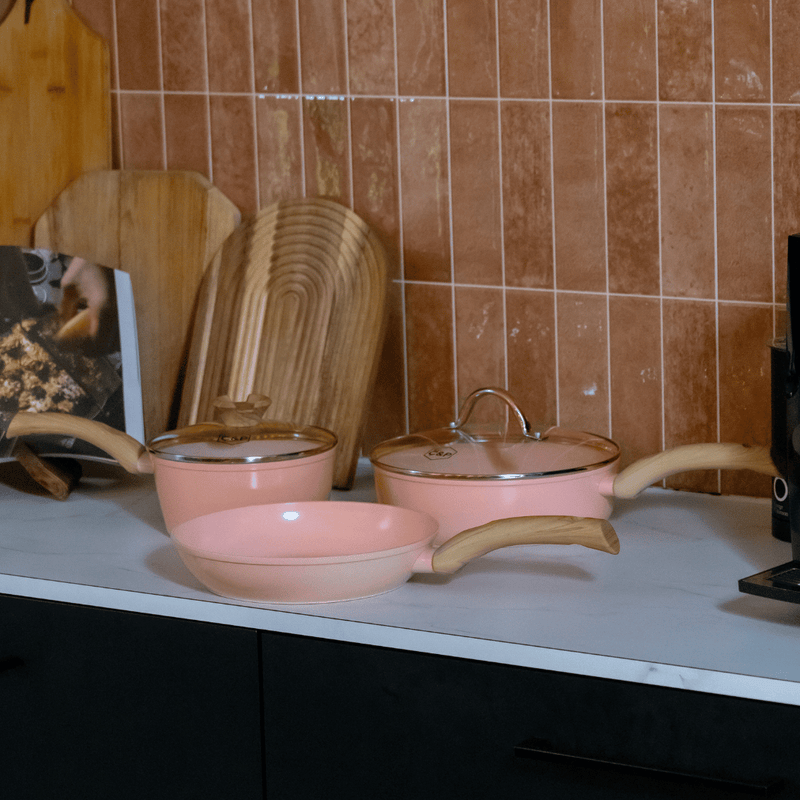
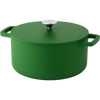
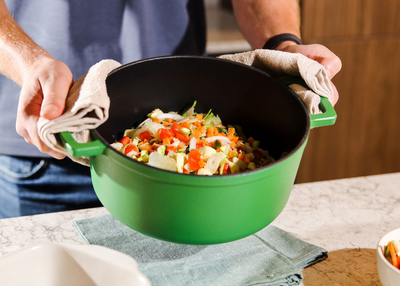
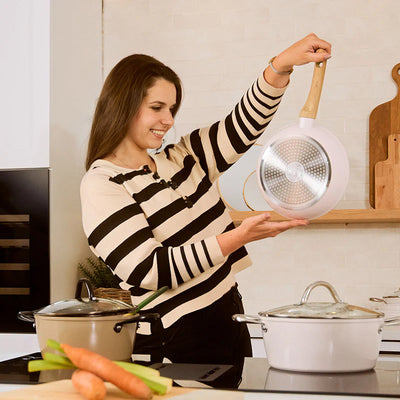
An enamel non-stick coating is made from enamel, a material consisting of molten glass applied to metal and then heated at over 800 degrees. Molten glass might sound a bit scary, but it’s not that dramatic. It is applied in a very safe and healthy way and poses no risks. This unique combination of glass and metal results in a durable, smooth coating that delivers excellent non-stick performance and therefore contains no PFAS or Teflon. A common base material for enamel non-stick pots and pans is cast iron. The enamel is applied to the surface of the pan, creating a glossy, smooth layer that is perfect for preventing food from sticking.
The Benefits of an Enamel Non-Stick Coating
-
Good Non-Stick Performance:
No more hassle with stuck-on food and you can cook with less oil. Cleaning is also very easy. -
Strong and Long-Lasting:
The enamel coating makes the pan durable and wear-resistant, so you can enjoy it for a long time. -
Healthy Cooking Without Fuss:
These pots and pans contain no harmful substances like PFAS, PFAO or Teflon, so you can cook healthily without worrying about harmful substances being released. -
Tasteful Preservation of Dishes:
The non-stick coating doesn’t change the taste of your food, and it stays nice and juicy. -
Looks Good and Comes in Color Choices:
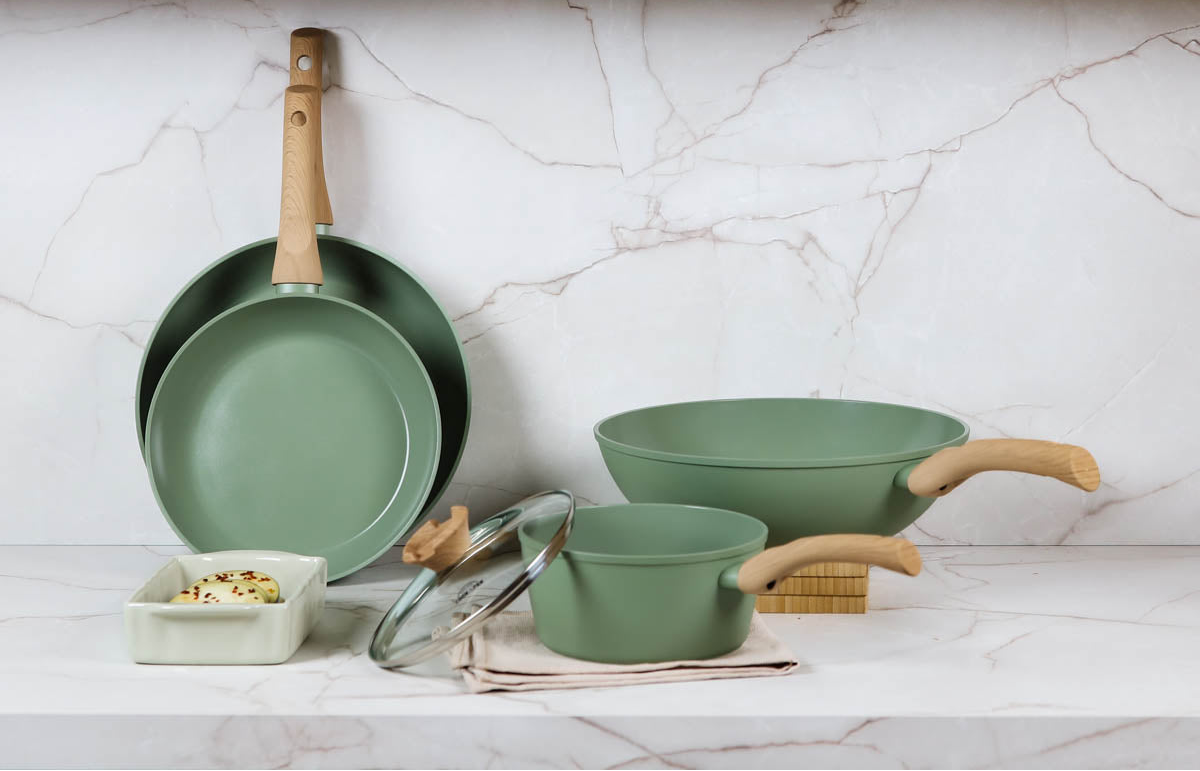
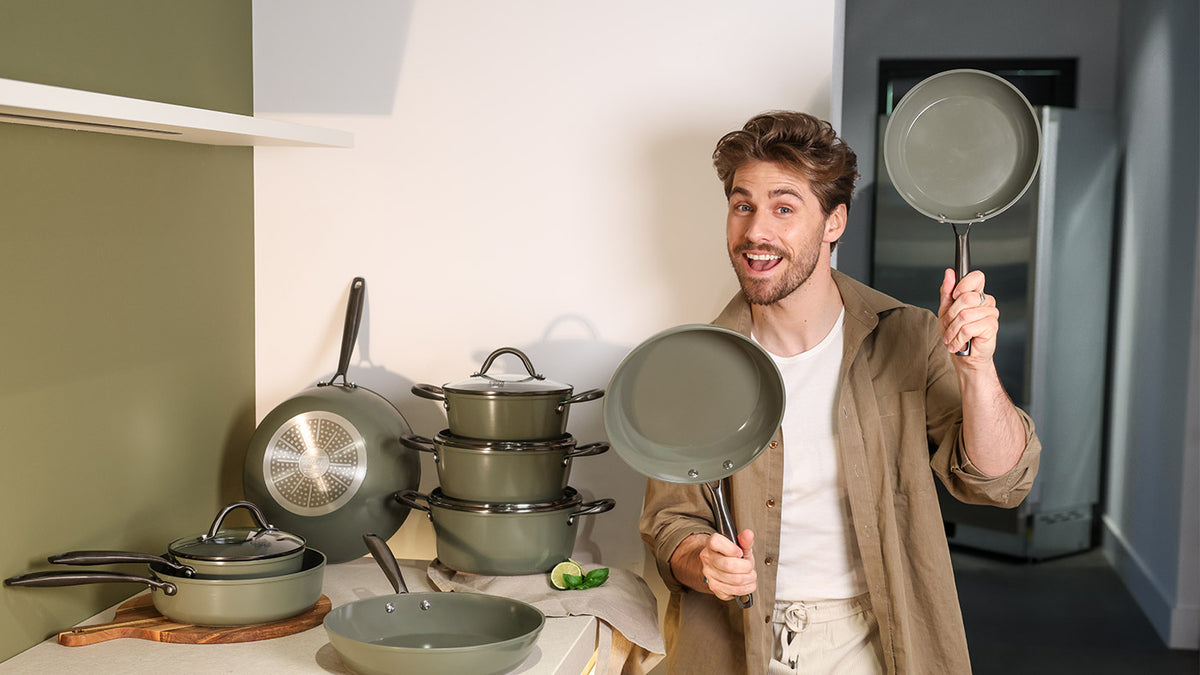
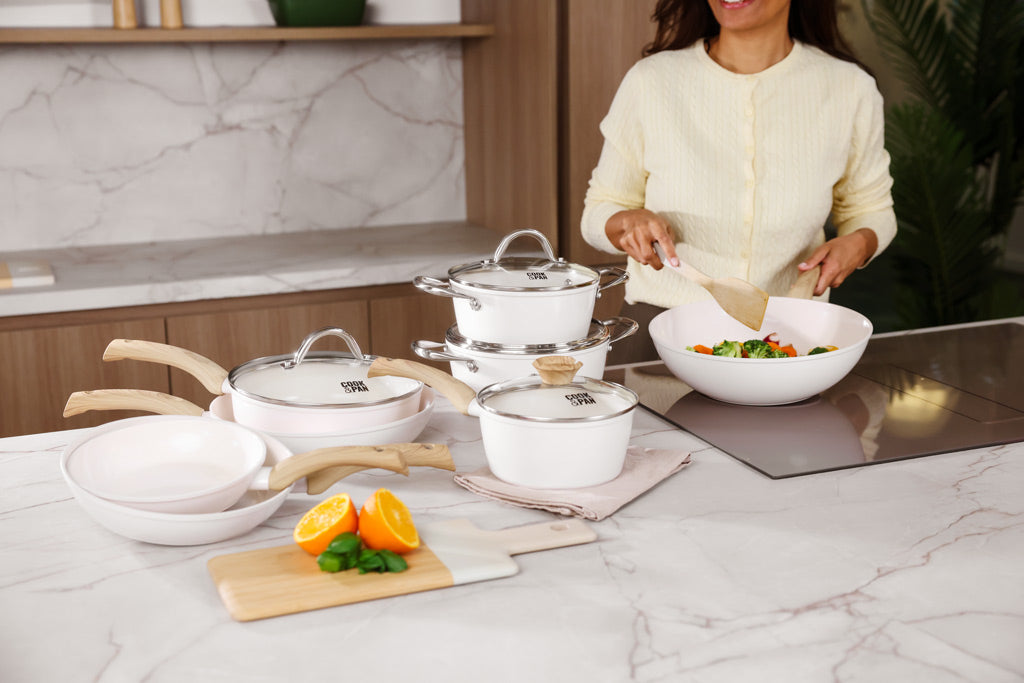
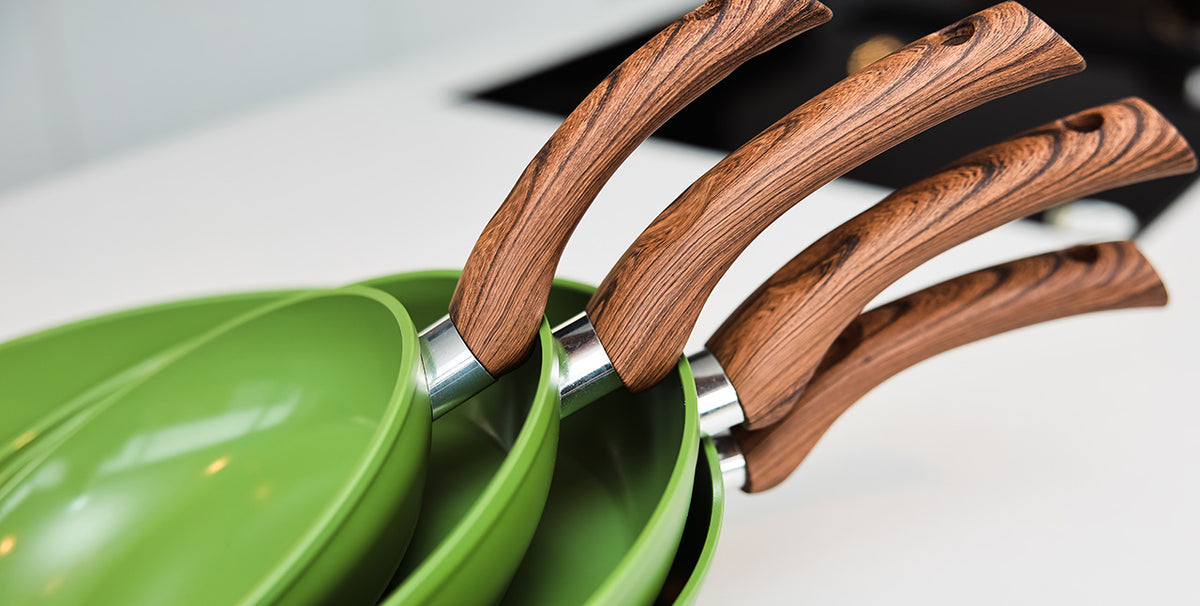
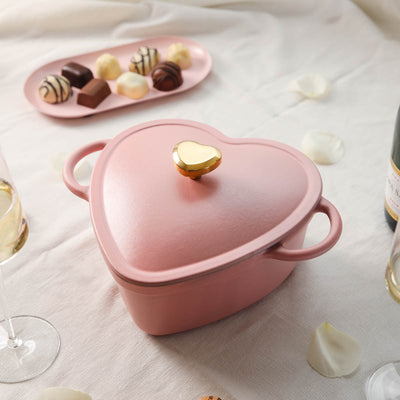
Not only practical but also stylish. The glossy enamel coating is available in various colors, so you can pick what suits you.
How to Use a Pan with Enamel Non-Stick Coating?
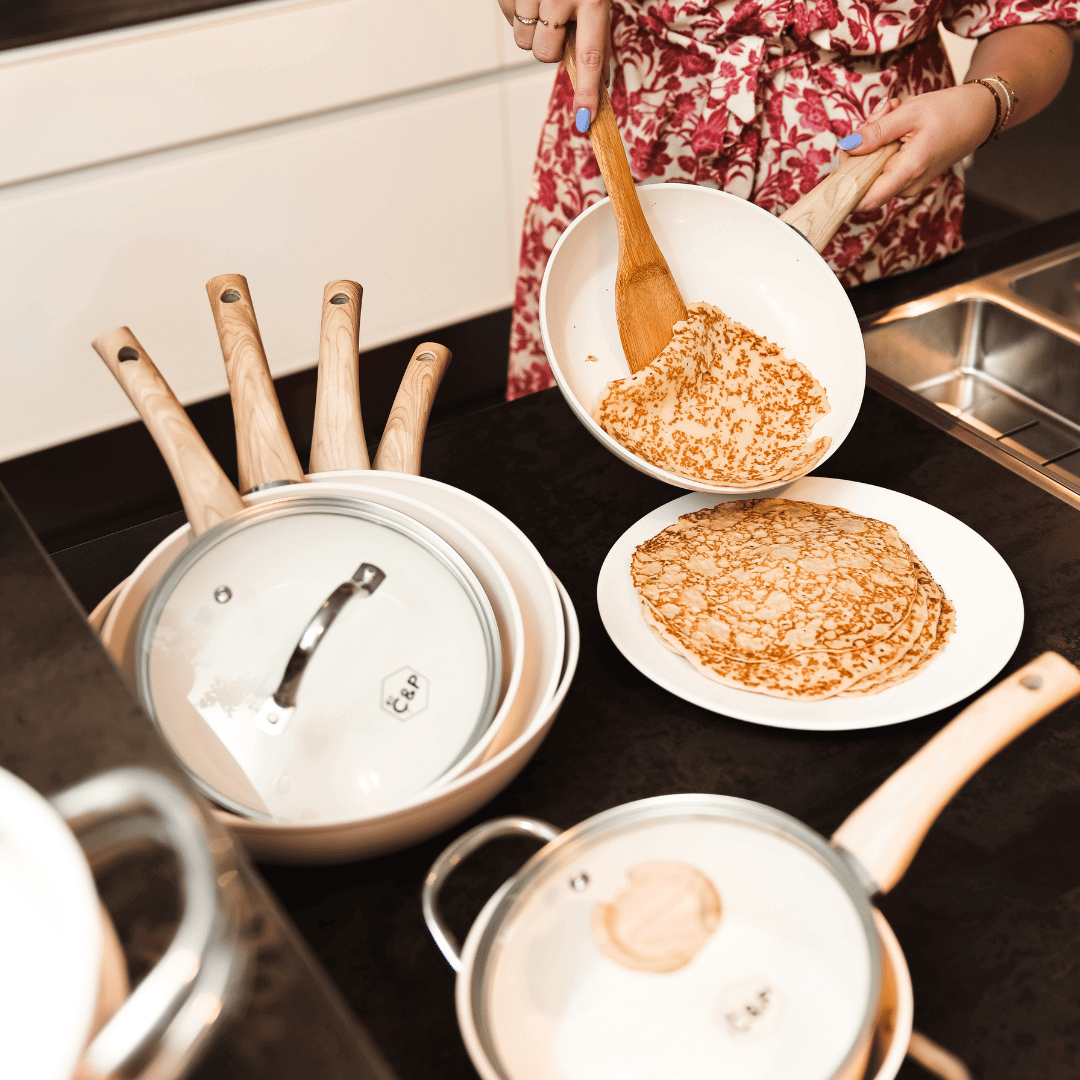
To get the most out of your enamel pan, it’s important to use it correctly. Heat the pan gradually to avoid thermal shocks and use wooden or silicone kitchen utensils to protect the non-stick coating. Preferably use oil or butter and avoid heating the pan dry.
Can an Enamel Pan Be Used on Induction?
Yes, as long as the pan has a magnetizable base, like cast iron. Always check if your pan is suitable for induction by holding a magnet against the bottom.
Is Enamel Suitable for the Oven?
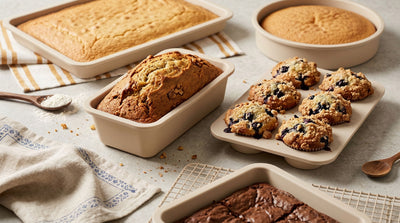
Yes, enamel pots and pans can often go in the oven, but watch the maximum temperature and whether the handles are heat-resistant.
Cleaning an Enamel Pan
Cleaning an enamel pan is simple. Use warm water, mild dish soap, and a soft sponge. Avoid abrasive materials like steel wool, which can damage the coating.
What to Do If My Enamel Pan Is Burnt?
Fill the pan with warm water and a splash of baking soda and let it soak for a few hours. Then you can gently clean it with a soft brush or sponge.
What If My Enamel Pan Has Stains?
Stubborn stains can be treated with a mixture of water and vinegar. Let it boil briefly and then scrub gently.
What If My Enamel Pan Is Damaged?
Small scratches are usually no problem, but with deep damage where the metal is visible, it’s better not to use the pan anymore. Enamel can chip off and this can shorten the pan’s lifespan.
Why Choose an Enamel Non-Stick Coating?
Why choose an enamel non-stick coating? Go for an enamel non-stick coating and make cooking simple and enjoyable! This durable coating offers not only long-lasting performance but also a healthy cooking environment without harmful substances. With easy cleaning after cooking, every meal becomes a better experience. Upgrade your kitchen with enamel and enjoy effortless cooking fun!

💡 Please note: we love cooking with boldness, but safety always comes first. Read more on our disclaimer page.