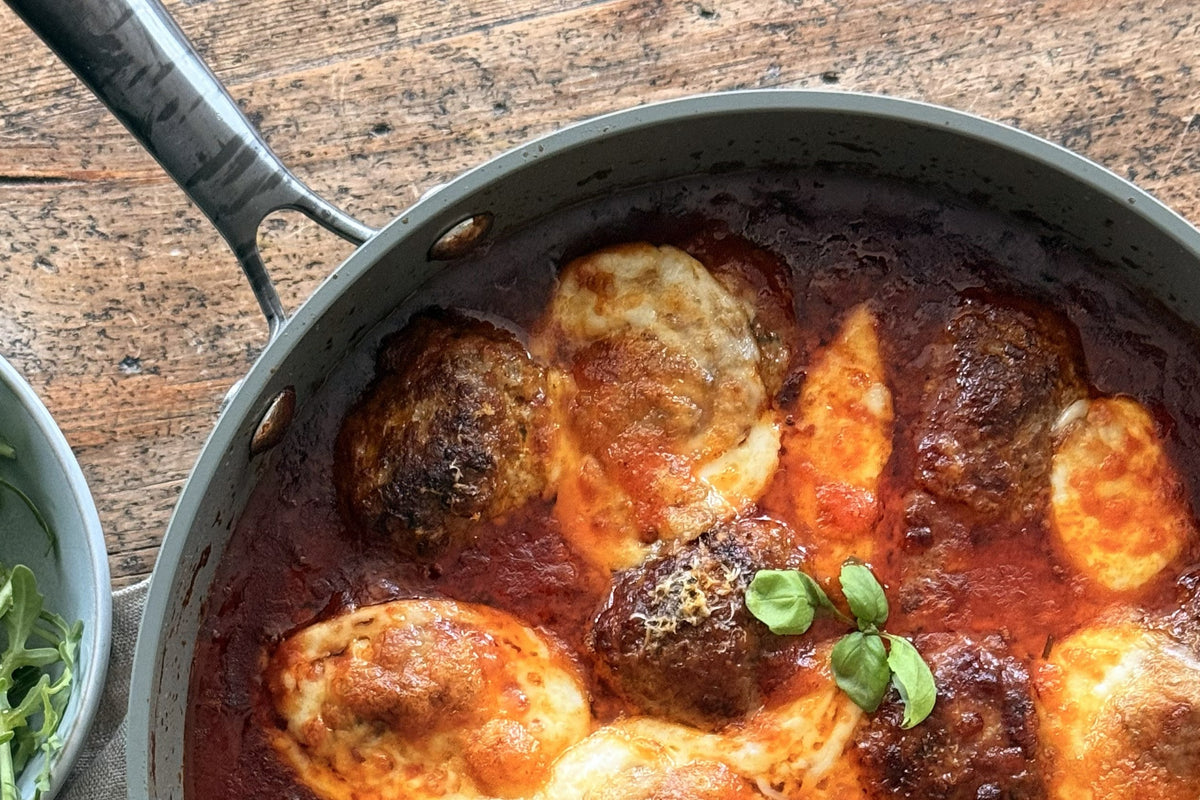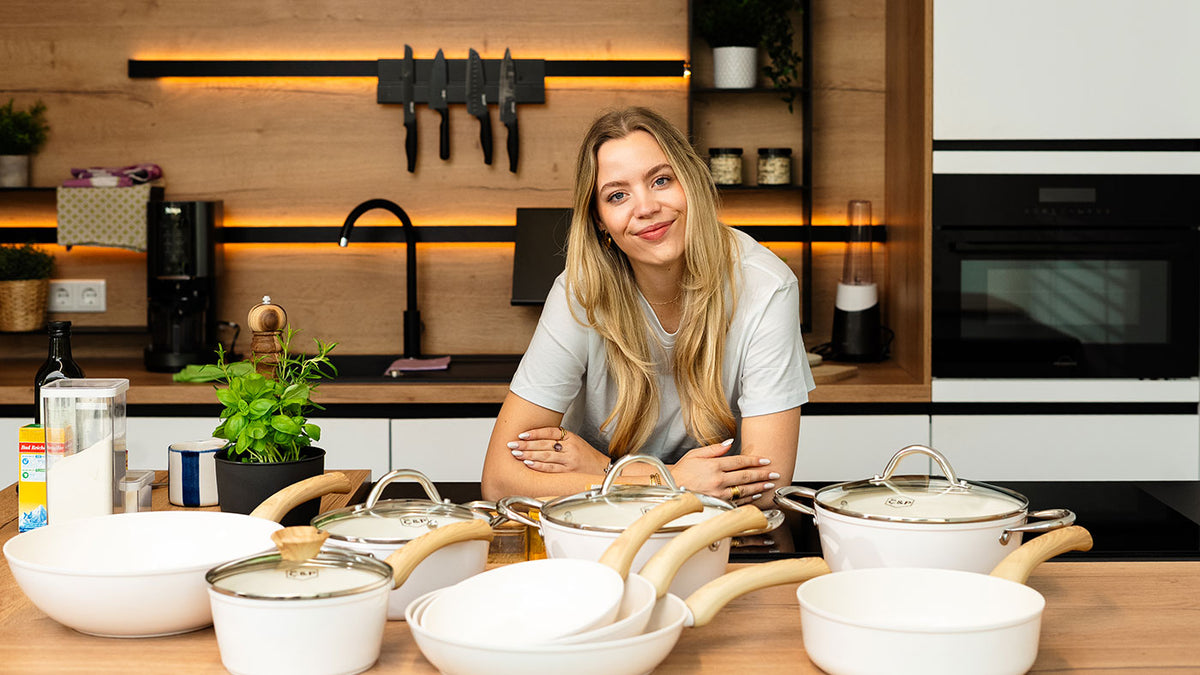











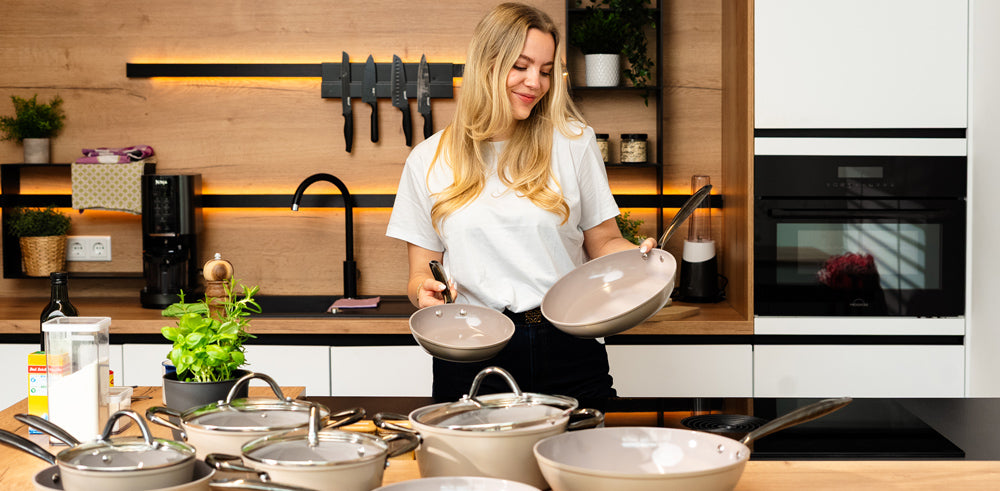
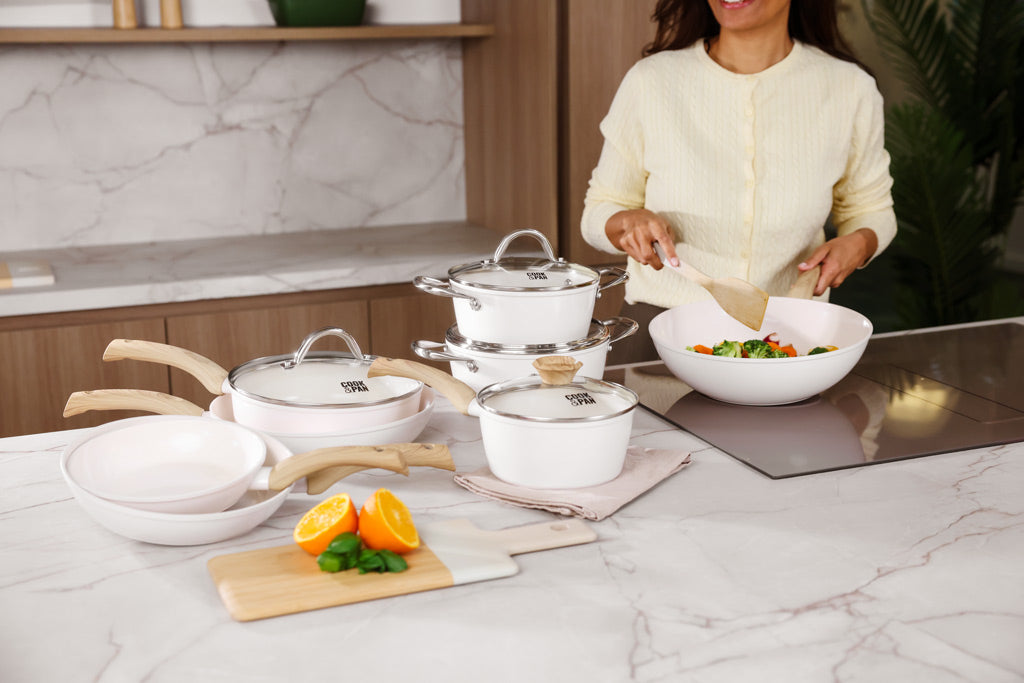








There is a day for everything. World Cat Photo Day, International Left-Handers Day, World Nutella Day, International Hug Day, you cannot think up anything mad enough without there already being a day for it. But an official day for frying an egg? You will look in vain through the calendar. We think that is a gap of world-class proportions. Because the fried egg deserves far more respect than it gets, and the pan beneath it too.
On 13 October, we therefore declare World Fried Egg Day. Not for show, but because a fried egg tells you everything about your pan, your heat, your fat and your patience. Time for the ultimate investigation: how do you fry the perfect egg, and which pan helps you get there?
Why an egg is more than just an egg
A fried egg looks like the simplest dish in the world. Two minutes, a pinch of salt, done. But that is precisely why it is so treacherous. There is no sauce to rescue things, no spice mix to fake the flavour, no oven that forgives timing mistakes. What you see is what you get: a fried egg in all its bare honesty.
And that is exactly where it pinches. Because a fried egg unfailingly reveals every weak spot in your kit. Sticking edges, tearing yolks, white that sets unevenly. They look like little bumps, but they are signals. Your pan is talking to you through that egg, and if you listen well you hear precisely what it wants to say.
The fried egg as a litmus test for your pan
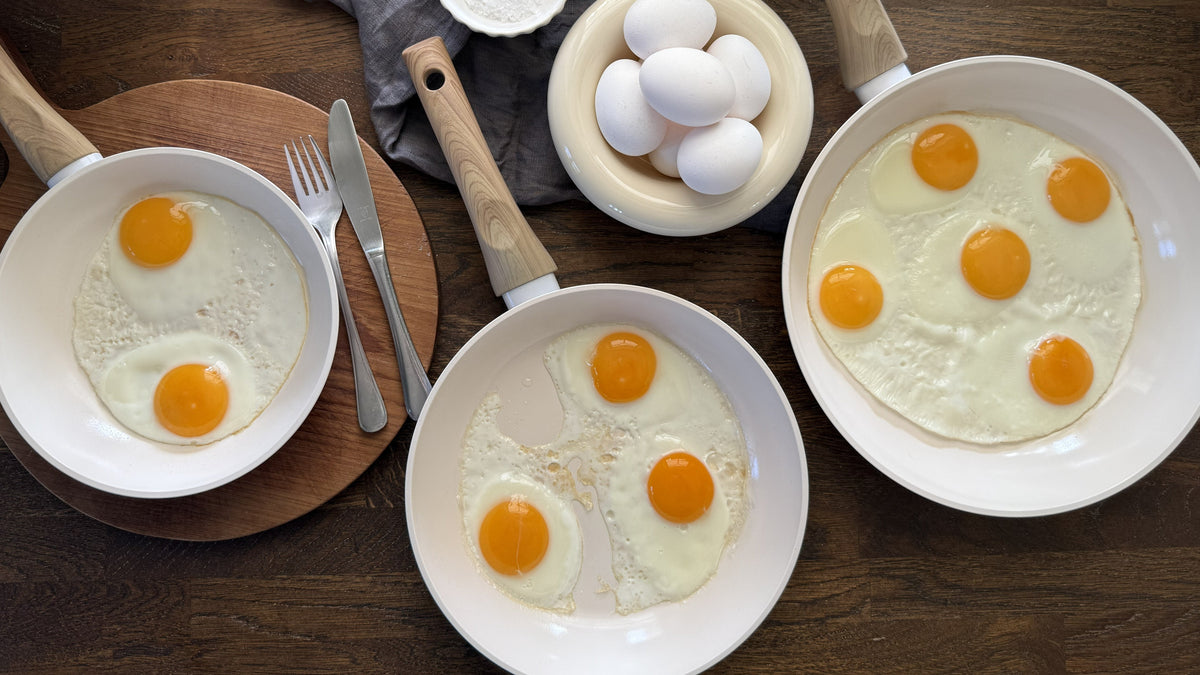
A fried egg shows no mercy to a bad pan. It sticks where the coating is worn, it browns too fast where heat piles up, and it stays white and slimy where the base has stayed cold. A good pan, by contrast, lets the egg set calmly, with a glossy white and a yolk that still wobbles a touch when you tap it.
Want to know how good your pan really is? Run the egg test. No oil, no butter, just an egg and medium heat. Does the egg slide out of the pan without resistance after two minutes? You are in good shape. Anything left behind? Your non-stick coating is ready for retirement.

Which pan do you choose for the perfect egg?
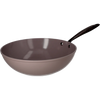
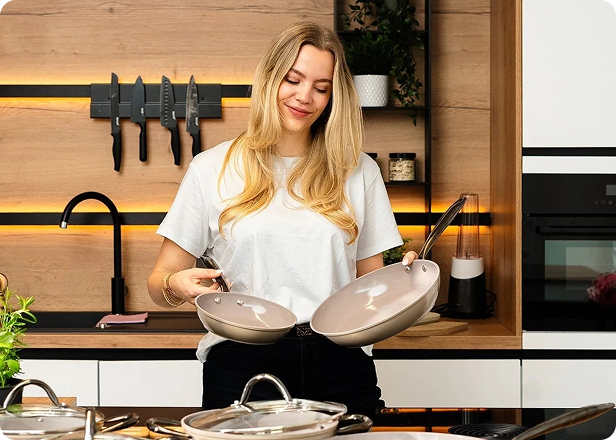
The ideal pan for a fried egg is a small frying pan of 20 to 24 cm with a ceramic non-stick coating. Small, because too large a pan spreads the white into a thin, leathery pancake. Ceramic, because the coating is extremely smooth and you do not need heavy fats to release the egg.
Going for the classic single egg? A 20 cm frying pan is ideal. Cooking for the whole family? Step up to 28 cm or larger. Avoid anything with scratches, stains or a dull interior, because your egg will cling to those spots as if its life depends on it.
Our entire collection of ceramic pans is designed for exactly these moments. Smooth, even, free from PFAS and built to last for years.
Material matters: ceramic, aluminium, cast iron or stainless steel?
Not every material plays the egg game equally well. A quick walk past the candidates:
- Ceramic: the smoothest option. Slick layer, little fat needed, and the egg slides out like a puck across ice.
- Aluminium with ceramic coating: light, conducts heat fast and evenly. Perfect for those who reach for their pan daily.
- Cast iron: asks for patience and a well-seasoned layer, but rewards you with the most characterful crispy edge.
- Stainless steel: not the first choice for eggs. Demands plenty of fat, sharp temperature precision and nerves of steel.
Torn between materials? In our piece on cast iron, ceramic or stainless steel we go deeper into the differences and help you pick.
Butter or oil: the eternal debate
Even in the best pan, fat stays essential. Not because the egg would otherwise stick, but because fat builds flavour and structure. Butter delivers that nutty edge, a lightly caramelising base and that old-fashioned Sunday morning aroma. Oil (sunflower, avocado, mild olive) is more neutral and tolerates slightly higher heat without burning.
Our golden rule: always use a small knob or half a tablespoon, even in a brand-new non-stick pan. Not out of mistrust, but for the taste. Want the best of both worlds? Start with oil and drop in a knob of butter at the last second, for fragrance and gloss.
The right temperature: not too hot, not too cold
The biggest egg blunder? Heat that is too high. Many crank the pan to full, drop in the egg and immediately hear that famous sizzle. Sounds great, but that is exactly the moment the white slams shut before the yolk has a chance to set along with it. Result: brown bottom, slimy top.
Work on medium heat, give the pan two minutes to warm through evenly, and only then add your fat. Wait until it shimmers softly, then crack the egg. You hear a calm sound, no aggressive crackle. With cast iron or a ceramic pan you sit around setting 5 to 6 on a scale of 9, no need to push higher.
Soft yolk or firm edge: how do you steer the result?
Everyone has their ideal egg. Some swear by a runny yolk and a white that still trembles; others want everything cooked through, like a file to be closed. Luckily you can go both ways:
- Runny yolk, soft white: cover the pan with a lid after 1 minute so the white finishes on steam, without touching the yolk.
- Crispy edge, runny yolk: use a touch more butter and turn the heat slightly up; the white picks up a golden rim.
- Fully cooked egg: flip the egg very gently after 2 minutes, or pierce the yolk so it sets faster.
The beauty of frying eggs is that you have every variant in hand within three minutes, as long as the pan plays along.
Eggs and pan size: pick small, think big
Too large a pan for a single egg is like making coffee in a stockpot, it is doable, but it never turns out well. The white runs out, dries at the edges and you end up with a thin, crackly slab instead of a handsome round specimen.
For one egg: 20 cm. For two eggs: 24 cm. For three or four: 28 cm. For weekend brunches with the whole crew: 32 cm. No small version at home yet? Browse our collection of aluminium frying pans for lightweight models that heat up quickly and evenly.
How to tell your pan needs replacing
Does your egg keep sticking, even with butter and the right temperature? The message is loud and clear: the coating has had its day. A worn non-stick layer does not come back, no matter how hard you scrub.
Other warning signs to watch for:
- Visible scratches or discolouration in the coating
- A dull rather than glossy interior
- Eggs that fall apart when you flip them
- A base that no longer sits flat on your hob
- Hot spots where food browns faster than elsewhere
Time for something new? A frying pan without Teflon is a safe, durable upgrade. No PFAS, no flakes, just a smooth layer that lasts for years if you treat it well.
Maintenance: keeping your egg pan smooth for years
A ceramic frying pan is not a throwaway item. Treat it with a little affection and it rewards you with years of stick-free eggs. A few golden rules:
- Hand washing always beats the dishwasher
- Use wood, silicone or heat-resistant plastic, never metal
- Never heat an empty pan on the highest setting
- Always let the pan cool down before holding it under the tap
- Use mild washing-up liquid, no abrasive scourers
On induction add another rule: stay below 80 percent power and skip the boost button. Heating too fast means warping early, and nobody wants a dancing pan on the hob.
Eggs in stainless steel: for the adventurers
For those who really want to play it sporty, fry your egg in a stainless steel pan. Forget forgive-and-forget here, this is precision timing. Heat the pan slowly until a drop of water dances across the base without evaporating instantly, add the fat, wait until it glints, and only then does the egg go in.
Get it right and the egg releases without a hint of stickiness. Get it wrong and you glue half an omelette to the base. A lovely challenge for a quiet Saturday morning. Our collection of stainless steel frying pans is ideal for anyone who wants to master the technique.
Which pan suits your egg ritual?
Everyone has a different morning ritual, so everyone needs a different pan. Quick breakfaster? Small and ceramic. Weekend cook? Something larger with a handsome base. Aesthetic lover? Then the colour has to fit too. We wrote a thorough piece on it: show your true colours in the kitchen helps you choose a pan that not only works, but suits you too.
Want a more structured test? Our which frying pan suits you walks through your preferences step by step and spits out advice at the end that even your egg would approve of.
Make World Fried Egg Day official
We believe in the fried egg. In the calm of a Sunday morning with the paper and a steaming pan. In the rushed weekday breakfast before you bolt out of the door. In the egg on toast that always still glistens slightly with butter. And we believe in the pan that makes it all possible, day after day, year after year.
Ready to celebrate your World Fried Egg Day in style? Pull your best pan out of the cupboard, crack two eggs, take it slow, and let yourself be surprised by what a simple dish can tell you about quality. And who knows, next year 13 October will simply be in the calendar.
💡 Please note: we love cooking with boldness, but safety always comes first. Read more on our disclaimer page.