


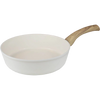

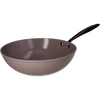

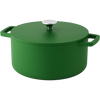

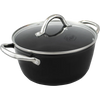





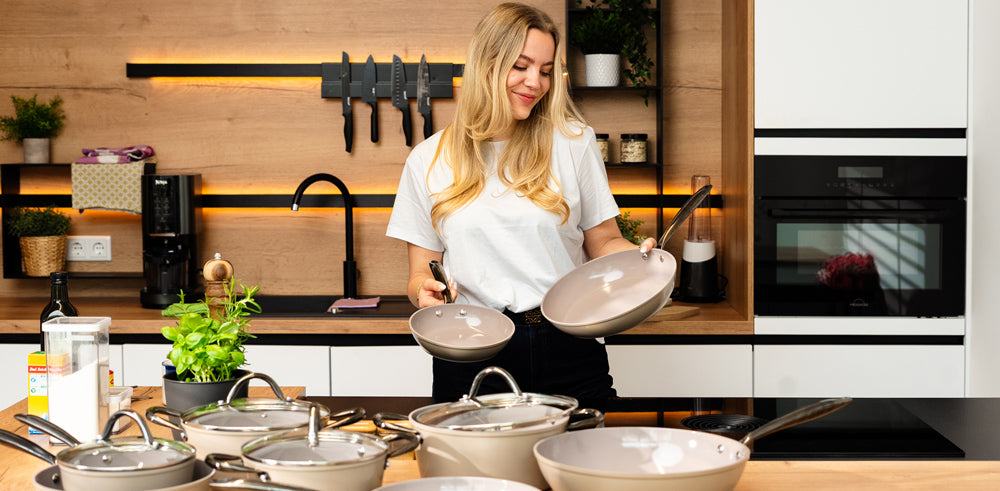
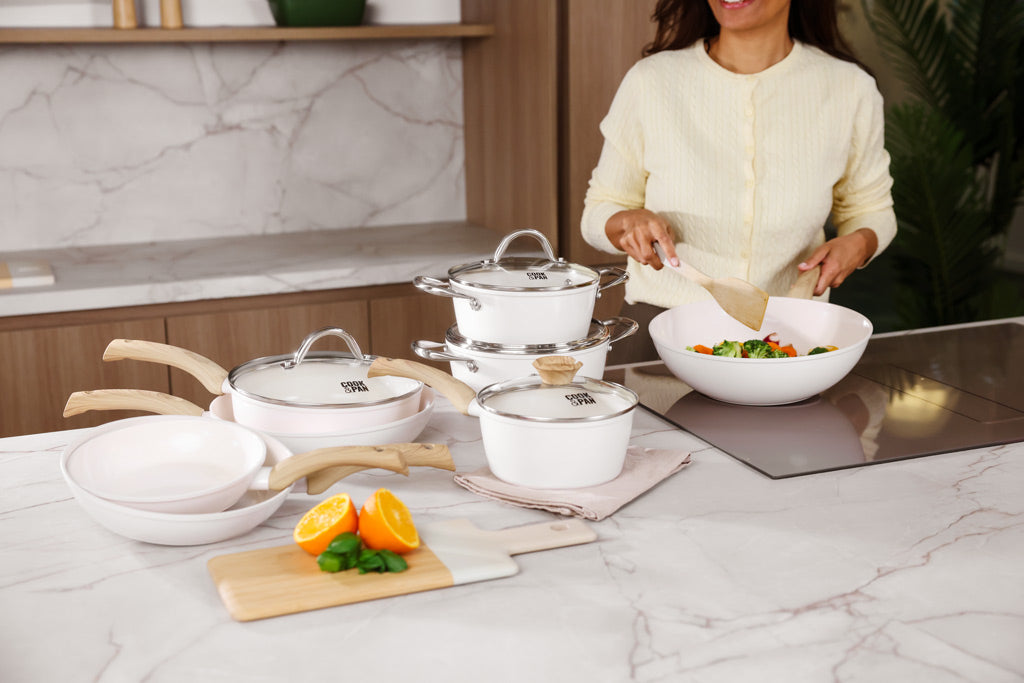
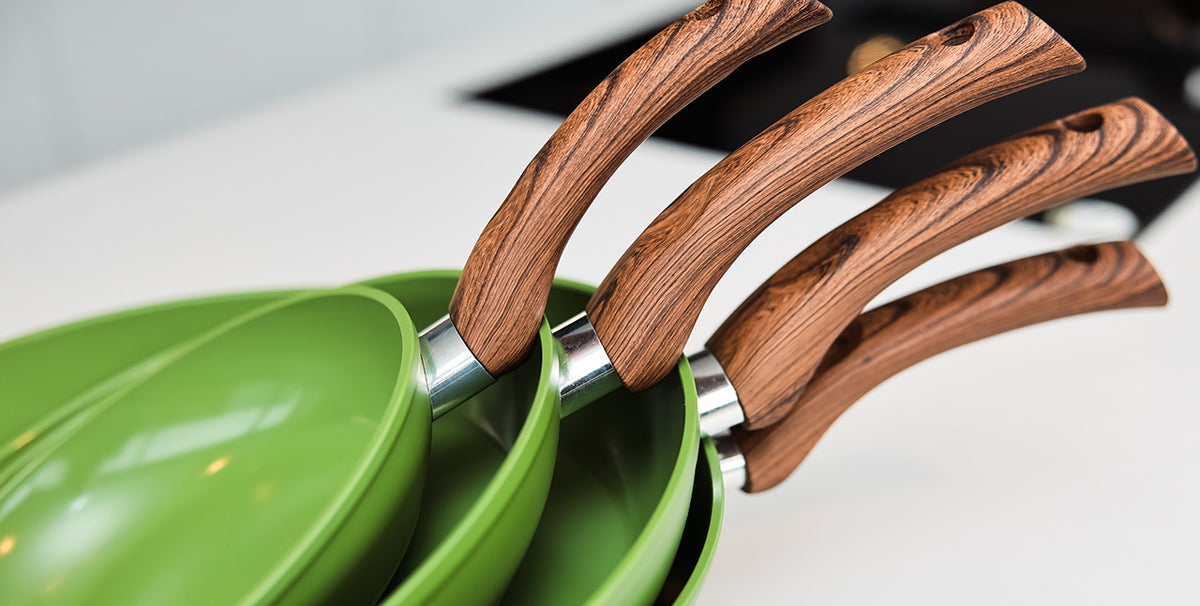








Whether you live in a big townhouse or a studio with a one-and-a-half-metre kitchenette, cupboard space is precious. Every pan has to earn its spot. But what types of pots and pans are there, and which ones do you actually use? We line them up for you, with what each one does best. That way you buy what you need, and not a single pan more.
Types of pots and pans at a glance
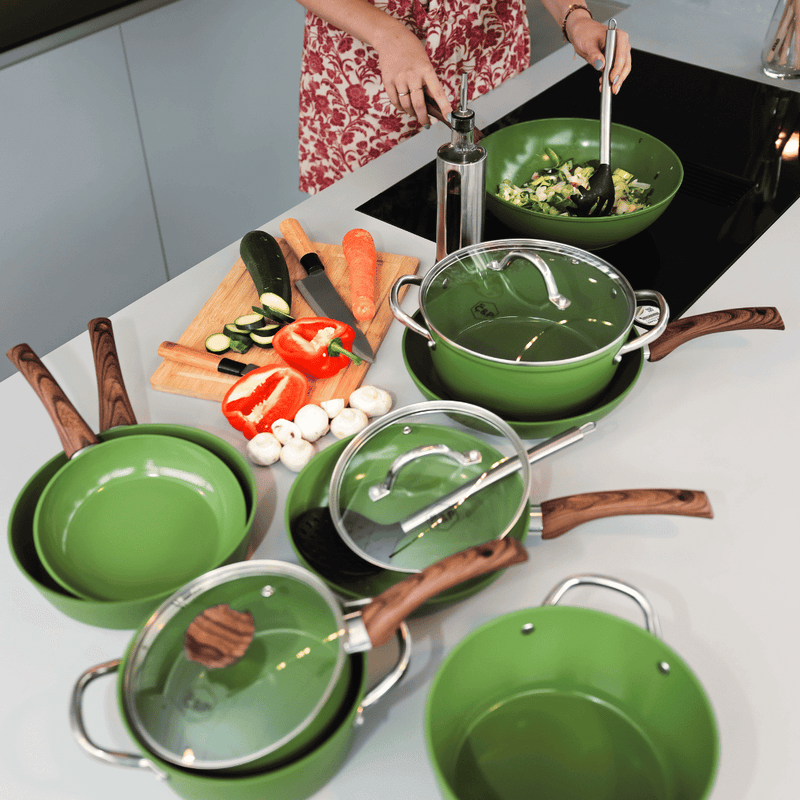
Before we dive in, here's the overview. These are the types of pots and pans you'll find in most kitchens:
- Frying pan: wide, low sloping sides, for frying and searing
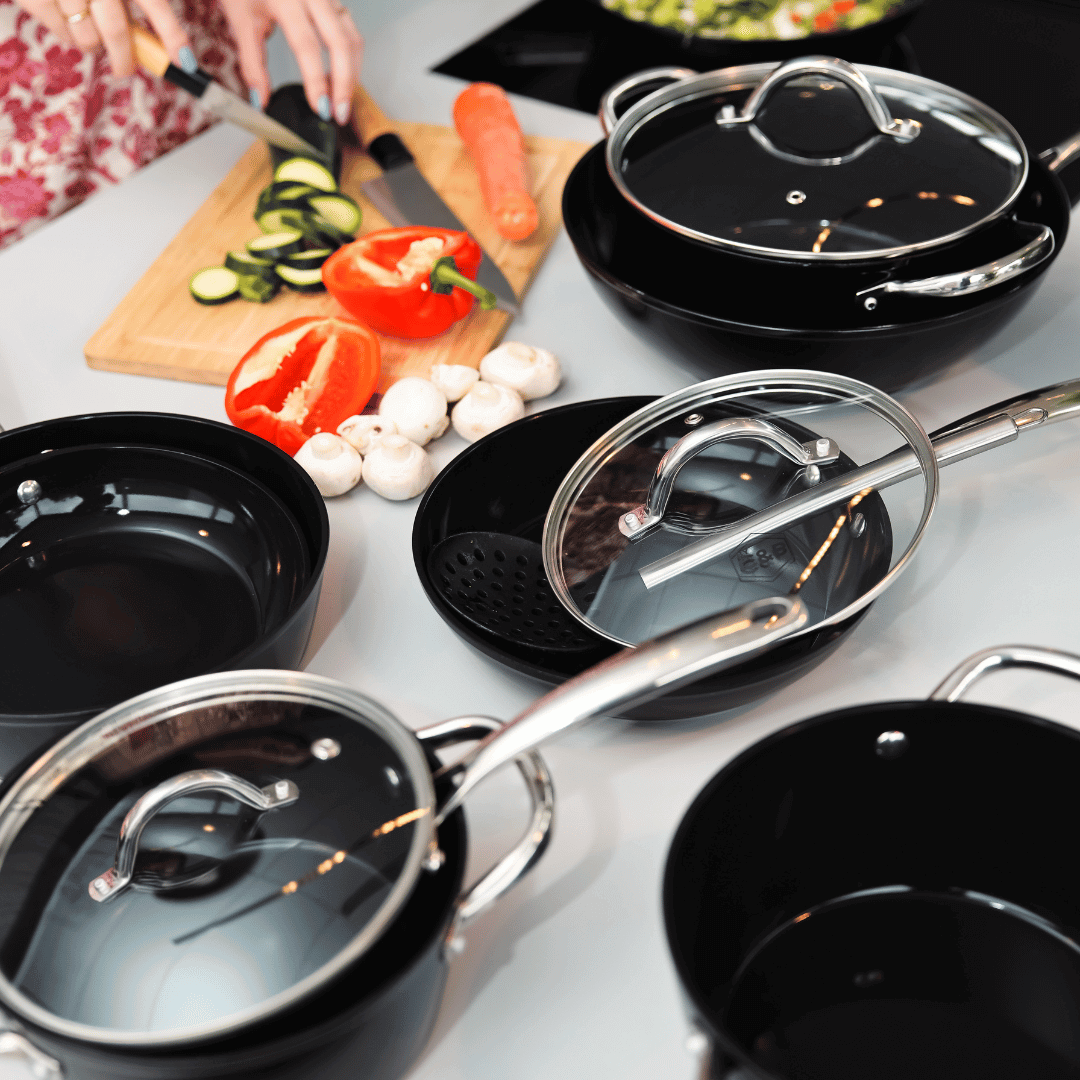
- Cooking pot: straight high sides with a lid, for boiling, soups and sauces
- Saucepan: small and deep with a long handle, for sauces and small portions
- Sauté pan: a frying pan with high sides, for dishes with sauce
- Wok pan: deep and round, for fast stir-frying
- Dutch oven: heavy cast iron, for stewing, braising and bread
- Grill pan and pancake pan: the specialists, for when you know what you want
Frying pan: everyone's best friend
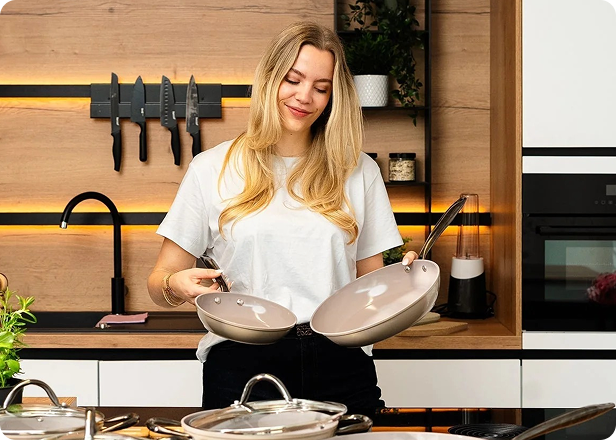
A good frying pan is like your favourite pair of jeans: you reach for it again and again. The wide cooking surface and sloping sides make it perfect for:
- Eggs, omelettes and pancakes
- Steak, chicken and fish
- Quickly searing crunchy vegetables

Torn between sizes and materials? In which frying pans are there? we put all the options side by side.
Cooking pot: the base of every meal
The cooking pot is the workhorse of your hob. Straight, high sides, lid on, off you go. You use it for pasta, rice, potatoes, vegetables, soup and stews. Handy to have two: a medium one for every day and a big one for when the whole family comes round.

Saucepan: small but mighty
A sauce, warm milk, a boiled egg or leftovers to heat up? The saucepan comes to the rescue. Small, deep and with a long handle so you can lift and pour easily. You'll use it more than you think, see the saucepan, a forgotten hero.

Sauté pan: the multitasker
A sauté pan looks like a frying pan, but with higher sides. So you can sear first and then add sauce, cream or tomatoes without anything sloshing over the edge. Ideal for one-pan dishes, curries and fish or meat in sauce. Pop a glass lid on top and it doubles as a braising pan. Read the difference with a frying pan in sauté pan vs frying pan.

Wok pan: for quick and healthy dishes
Wok cooking is action. Heat, pace and lots of tossing. Thanks to the deep, round shape and high sides, everything stays in the pan, even when you get carried away. A wok pan is perfect for stir-fries, noodles and vegetables that need to stay nice and crunchy. And you need very little oil.

Dutch oven: slow cooking at its best
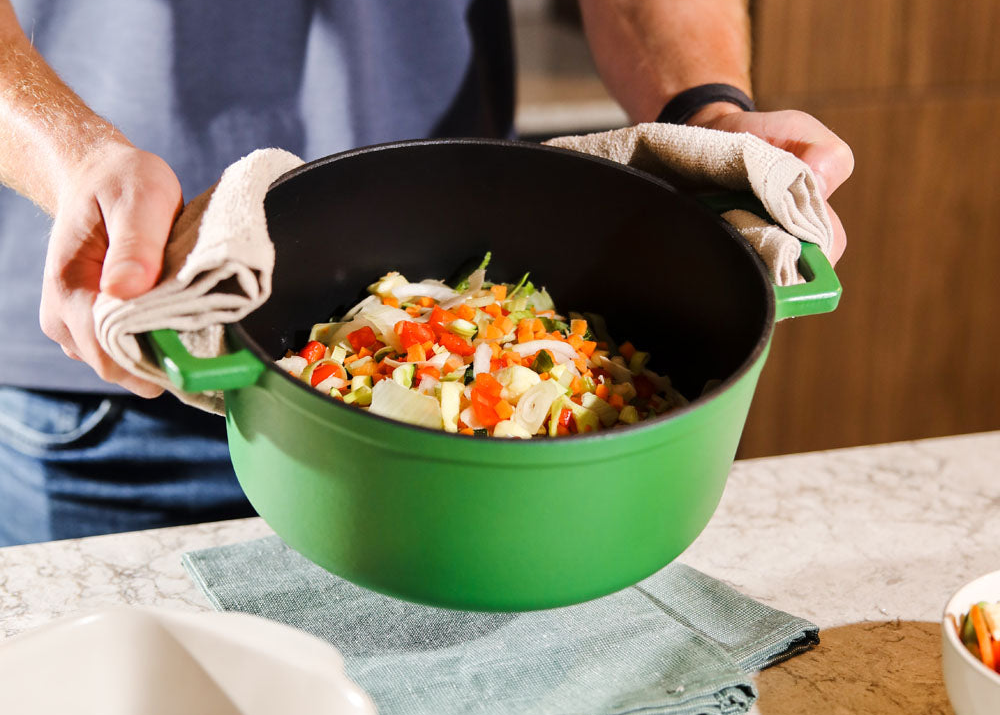
The dutch oven is the heavyweight among pots and pans. Ours are made of enamelled cast iron: they hold heat for hours and spread it evenly. Perfect for stews, soups, oven dishes and even bread. Want to know what that glossy interior actually is? Read what enamel is and why it sits on cast iron.

Grill pan and pancake pan: the specialists
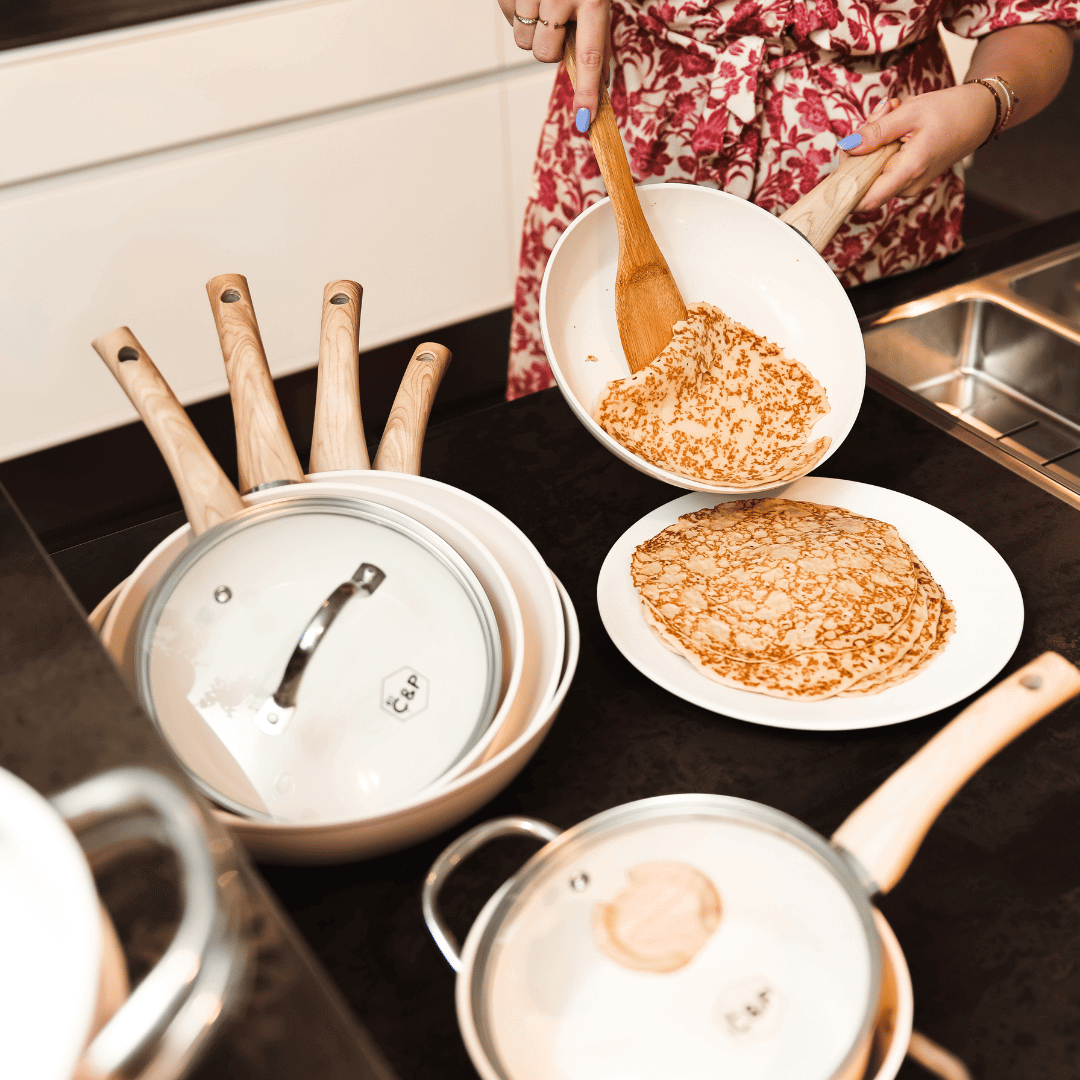
Once you've got the basics, the specialists come into view. A grill pan gives your meat, fish and vegetables those lovely grill marks, even when it's raining outside. A pancake pan has an extra-low rim so you can flip pancakes and wraps with ease. Not a must, but great fun if you make them often.
Pots and pans: which material do you choose?
Besides the shape, the material decides how your pan cooks. At Cook & Pan you choose from three families:
- Aluminium with a ceramic non-stick coating: light, heats up quickly and easy to clean. Ideal for everyday cooking.
- Stainless steel with a ceramic non-stick coating: sturdy and sleek, with the same PFAS-free non-stick coating.
- Enamelled cast iron: heavy, holds heat and made for long simmering.
Which one suits you depends on how you cook. All the pros and cons are in cast iron, aluminium or stainless steel.
Which pots and pans do you really need?
No desire to cram your cupboards full? With these six you'll get a long way:
- A medium cooking pot for every day
- A large cooking pot for soup, pasta and big portions
- A frying pan, ideally in two sizes: a small one for an egg and a large one for the whole meal
- A saucepan for sauces and small amounts
- A sauté pan or dutch oven, depending on whether you cook fast or slow more often
- A wok pan for quick, healthy meals
Single pans or a cookware set?
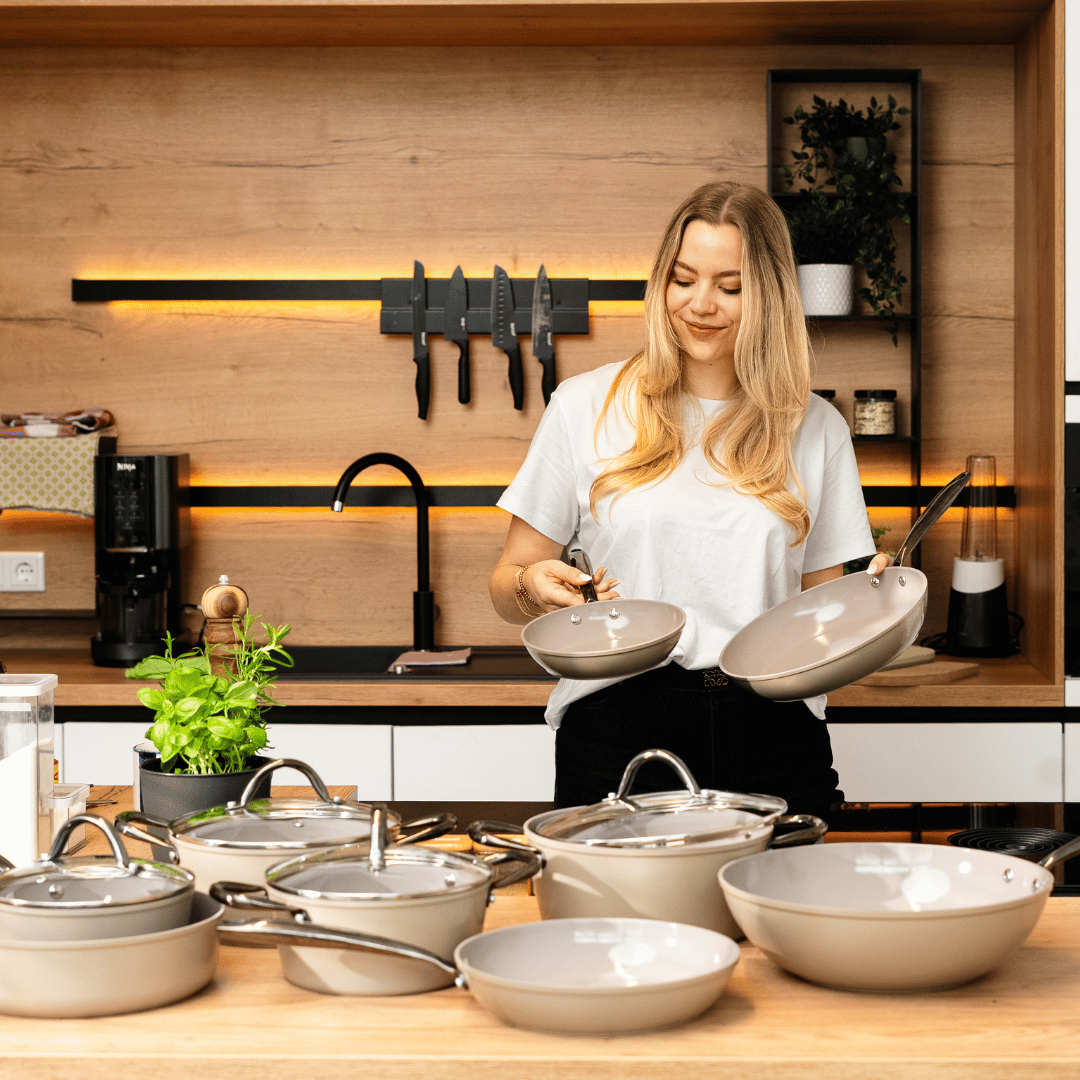
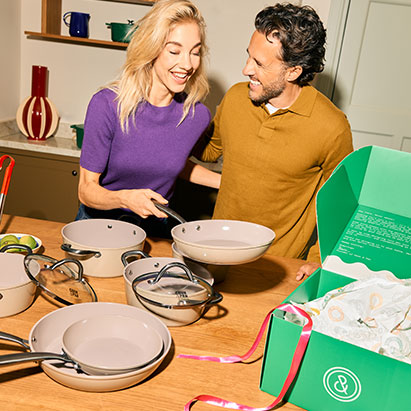
Starting from scratch? A cookware set is often the smartest move. You get the basics in one go, everything matches and you usually pay less than for separate pans. Living alone or as a couple? A smaller set will do. Cooking for a family or a keen home cook? Go for a bigger set. Already have a few good pans? Then top up with individual pieces. More tips in buying your first cookware set without the stress.
Saving space in a small kitchen
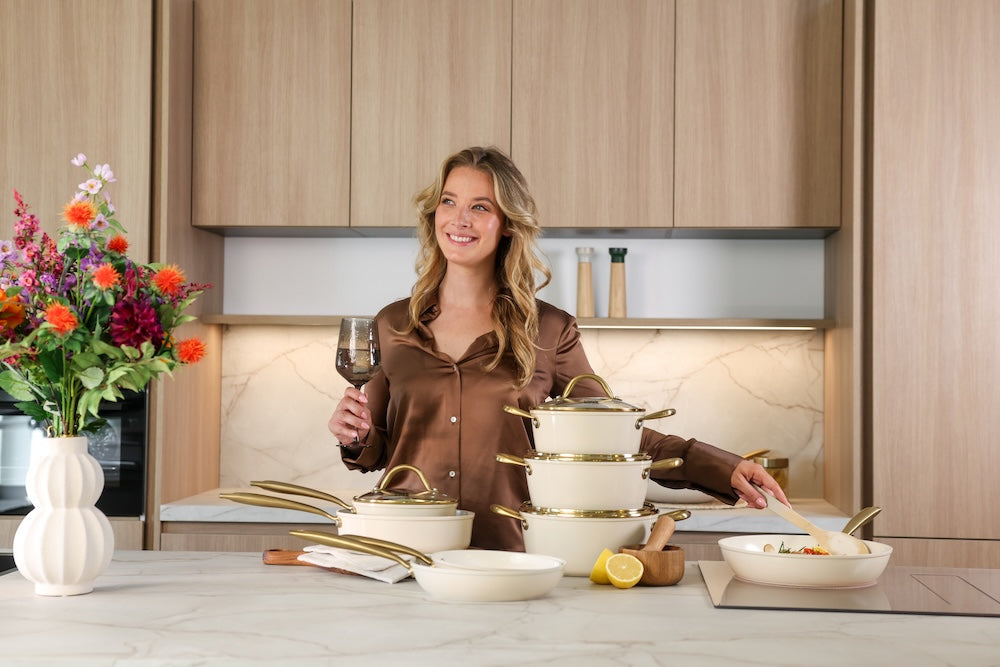
Small kitchen, big ambitions? Our cookware sets are stackable, so they fit neatly in your cupboard. Just put a pan protector or a tea towel between the pans to keep the non-stick coating looking good. Store cast iron lids separately.
Discover the pots and pans from Cook & Pan
Whichever type you go for, all our pots and pans are PFAS-free, work on every hob including induction and can go in the oven. You get a 7-year guarantee on the pan, 2 years on the ceramic non-stick coating and 25 years on cast iron. Still in doubt? You have 60 days to try them out at home. If it's not for you, just send it back.
Frequently asked questions about types of pans
How many pots and pans do you need?
For most households five to six is enough: two cooking pots, one or two frying pans, a saucepan and a sauté pan, dutch oven or wok. If you often cook for big groups, add an extra-large cooking pot.
What's the difference between a pot and a pan?
Pots are tall and usually have a lid, like cooking pots and dutch ovens. Pans are lower and wider, like the frying pan and the sauté pan.
Which pan should you buy first?
Start with a frying pan and a medium cooking pot. With those you'll make most of your everyday meals. After that, expand with whatever you cook most.
💡 Please note: we love cooking with boldness, but safety always comes first. Read more on our disclaimer page.