
























Black, matte and bold or silver, glossy and classic? In the kitchen world it sometimes feels like a matter of belief. The truth is more sober, and more interesting. The colour of a pan tells you more about the material underneath than about the quality on top. Time to bust the myth.
Why colour does not crown the winner
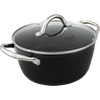
The colour of a pan is a result, not a quality stamp. Black usually comes from a ceramic coating or from cast iron. Silver belongs to stainless steel. If you use colour as your criterion, you are really choosing a look and not a property. So the real question is not "black or silver", but "what do you love cooking in and how do you make your pan last longer than your last relationship".
What black pans often have in common
Almost all modern black pans you see in the kitchen have a non-stick coating. At Cook & Pan that coating is always PFAS-free ceramic, which means you can fry an egg without worry. Other brands still work with PTFE or even PFOA-containing layers, and that is where it goes wrong. If you want the full story behind coatings, read our piece on the difference between ceramic and teflon coatings.

What silver pans usually are
Silver means stainless steel in 9 out of 10 cases, often in a 3-ply or 5-ply build. No coating, no layer to wear off, just bare metal that is virtually indestructible if you treat it right. It is the kind of pan you still use twenty years from now and that your kids will fight over later when dividing the estate.
Heat absorption: this is where dark really wins
A physical law that matters in the kitchen: dark surfaces absorb heat faster and more evenly than glossy, light surfaces. A black pan therefore comes up to temperature a little quicker and holds that heat better. That saves energy and gives you a nicer browning on a steak or a slice of bread. A silver stainless steel pan, on the other hand, reacts faster to temperature changes, which is handy for sauces where you want to steer precisely.
Induction: the magnetic detail
Whether a pan works on induction has nothing to do with colour and everything to do with the base. A magnet has to stick, that is it. At Cook & Pan all pans are induction-ready, whether they are black, cream or anthracite. Important to know: on induction use a maximum of 80 percent power and skip the boost function. Otherwise your base warps and no colour can fix that.
Lifespan: the honest comparison
How long does such a pan really last? Roughly:
- Black pan with ceramic coating: 3 to 7 years with daily use and good care
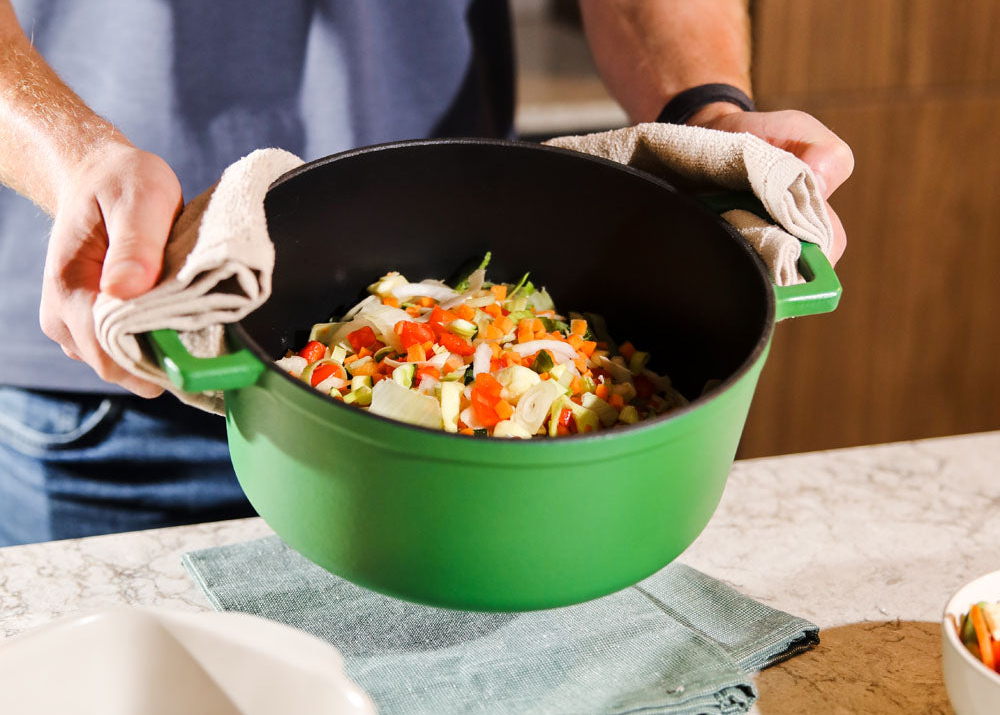
- Black cast iron pan: decades, sometimes generations
- Silver stainless steel pan: 10 to 20 years or more, virtually indestructible with good use
The ceramic layer is the most fragile part of a black pan. At Cook & Pan we cover the ceramic coating for 2 years, the material and manufacturing for 7 years, and cast iron for a full 25 years. Our stainless steel pans (Honey, with a ceramic coating) come with a 7-year warranty on materials and manufacturing, plus 2 years on the coating.
Care: black and silver each ask something different
A black ceramic pan asks for gentle care: wood or silicone utensils, no metal that scratches into the coating, and preferably hand wash. The dishwasher is allowed, but never on the eco programme and never with aggressive all-in-one tablets. A silver stainless steel pan without a coating can take more: a hot oven, a dash of scouring agent if really needed. If it has a non-stick coating, like our Honey pans, treat it as gently as a ceramic pan. But always heat up gradually and never put a glowing pan under the cold tap, because even stainless steel will warp.
When do you choose black?
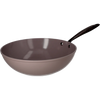
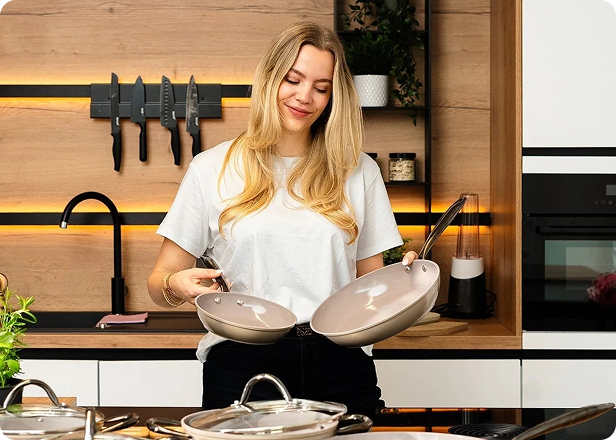
Black pans are the logical choice if you cook every day and want your dishes to slide out easily. An egg that releases in one swipe, pancakes that do not stick, fish that stays whole. Have a look at the entire black Signature collection if you love that crisp, professional look, or the earthy tones of Slate and Dark Olive if you are after a bit more character.
When do you choose silver or a lighter shade?
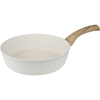
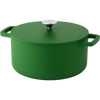
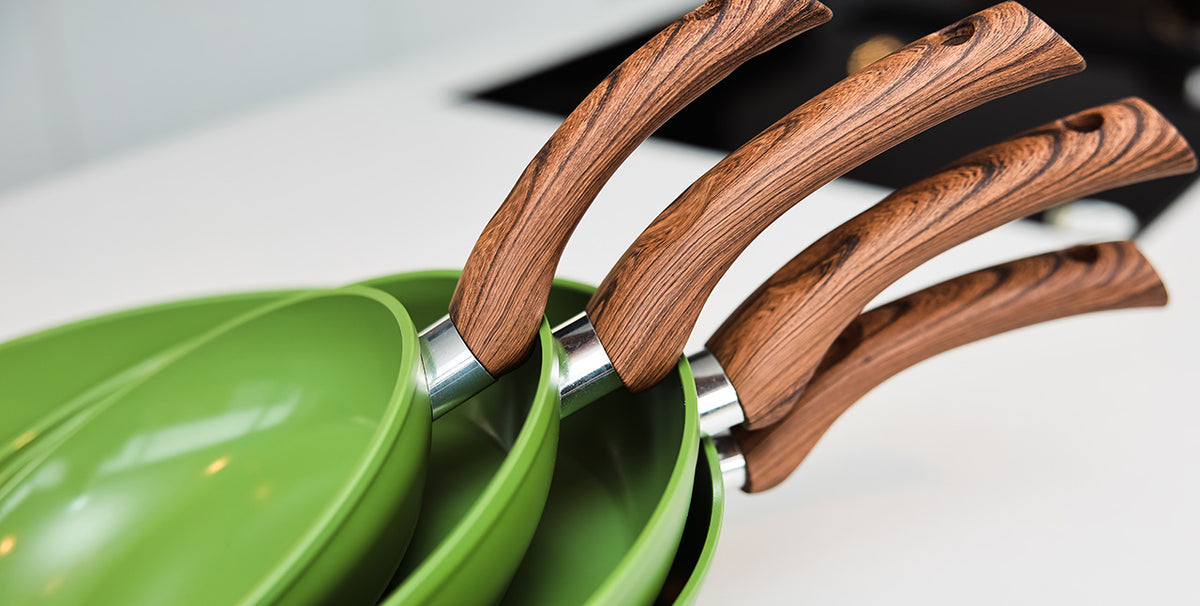
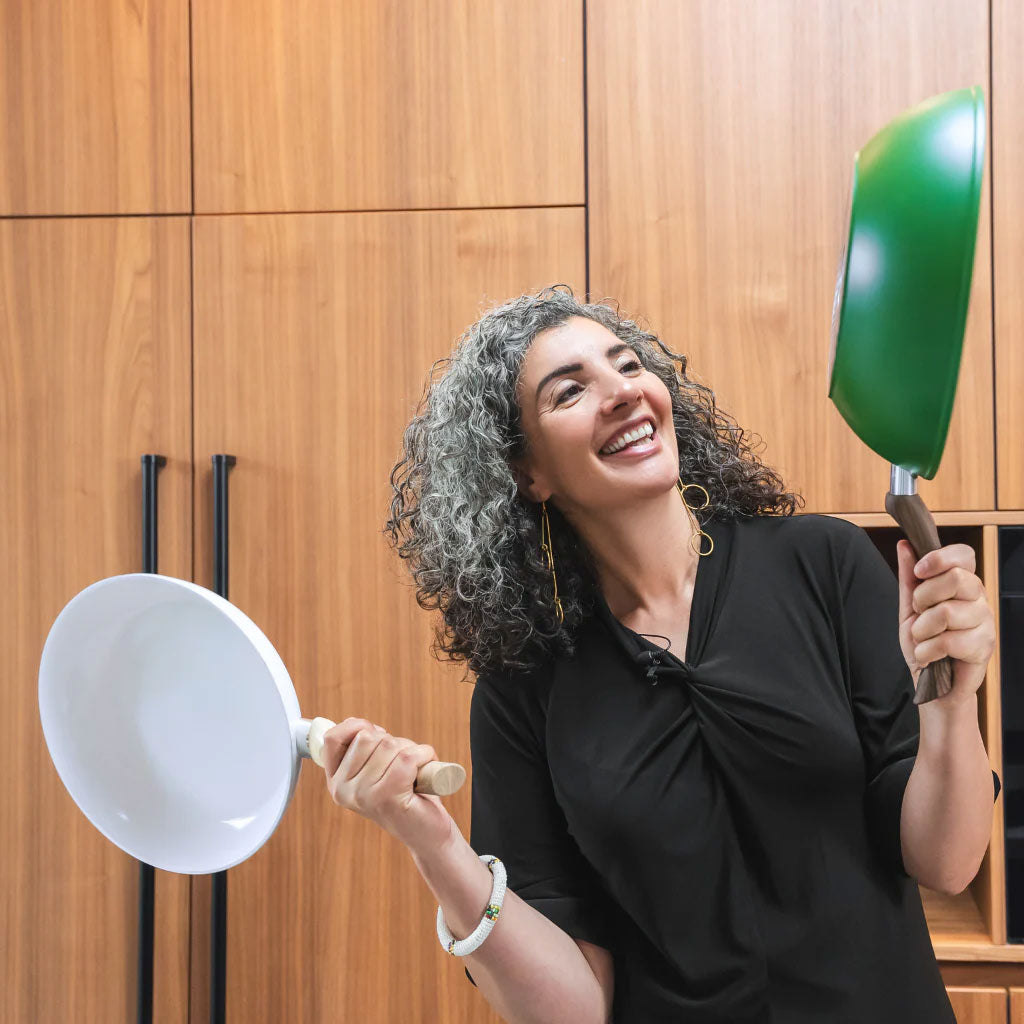
A silver stainless steel pan is your best friend at high temperatures, when searing meat and for preparations where the fond is actually welcome (think jus and deglazing). If you prefer pans with a softer look that behave more like ceramic on the hob, take a look at the soft tones of Go Ivory or the fresh undertones of Go Green. All PFAS-free, all induction-ready.
The combo that makes most kitchens happy
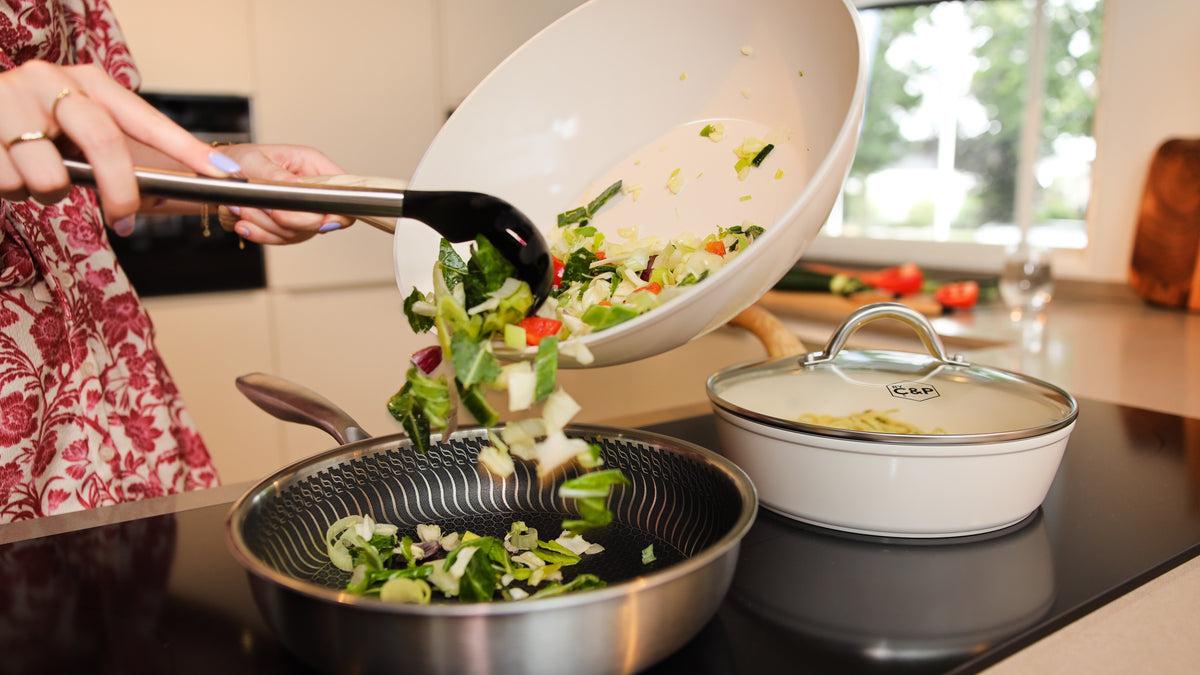
Most passionate home cooks combine both worlds. A black ceramic frying pan for the daily eggs, pancakes and vegetables. A silver stainless steel pan for the heavy work: searing a rib-eye, a risotto with caramelised onions, a pan sauce you want to scoop up to the very last drop. Two characters, one kitchen, no fight.
Common misconceptions about colour
- "Black is always non-stick." Not true. Cast iron is also black and has no non-stick coating, only a patina you build up yourself.
- "Silver is always stainless steel." Almost always, but not by definition. Some aluminium pans are polished and end up looking silvery.
- "The darker, the better the non-stick." Colour does not decide performance, the composition of the coating does.
- "Silver pans are old-fashioned." Stainless steel is actually the cooking material of the future for those who do not want to replace a coating.
- "Black hides stains." Partly true, but burnt fat shows up, and it damages the coating if you leave it.
What you really should not do, regardless of colour
Pan wear rarely comes from the material and almost always from how you use it. A few agreements that make any pan, black or silver, live longer:
- Always heat gradually; never an empty pan on the highest setting
- Use oils with a high smoke point, no cooking sprays
- Let the pan cool down before rinsing, otherwise you cause thermal shock
- Use pan protectors between stacked pans
- On induction never above 80 percent power, and ignore the boost function
Want a deeper dive into coatings and health, then read everything you need to know about toxic substances in pans.
Does colour also suit your interior?
Function wins, but aesthetics get a vote too. Pans often hang literally in sight, so they may as well match your kitchen. If you have a sleek modern interior, black or anthracite fits like a glove. A warm, country-style kitchen calls more for earthy tones or cream. For those who cannot choose: read our piece on showing your true colours in the kitchen, it will help you further than any salesperson.
Conclusion: black or silver, you decide
Black pans are not better than silver, and silver are not better than black. They do different things well. Black gives you ease, fast heat absorption and loose eggs. Silver gives you longevity, high temperatures and a pan you will never have to replace. The choice depends on how you cook, not on what looks trendy. And if you really cannot decide, do what most cooks do: pick both. For inspiration on how a ceramic pan fits cleverly into your routine, read our piece on ceramic as a smart choice.
💡 Please note: we love cooking with boldness, but safety always comes first. Read more on our disclaimer page.